President Cyril Ramaphosa has declared tourism the primary engine for South Africa’s economic recovery, placing the spotlight squarely on KwaZulu-Natal (KZN) during the Africa Travel Indaba. This strategic pivot aims to inject liquidity into local economies and create jobs for thousands of citizens in one of the continent’s most vibrant provinces.
The announcement came on Tuesday, signaling a decisive shift in policy focus. Ramaphosa’s address to industry leaders and investors outlines a clear path toward leveraging the region’s natural and cultural assets. For communities across the province, this means potential wage growth and renewed infrastructure investment.
KZN Emerges as Tourism Powerhouse
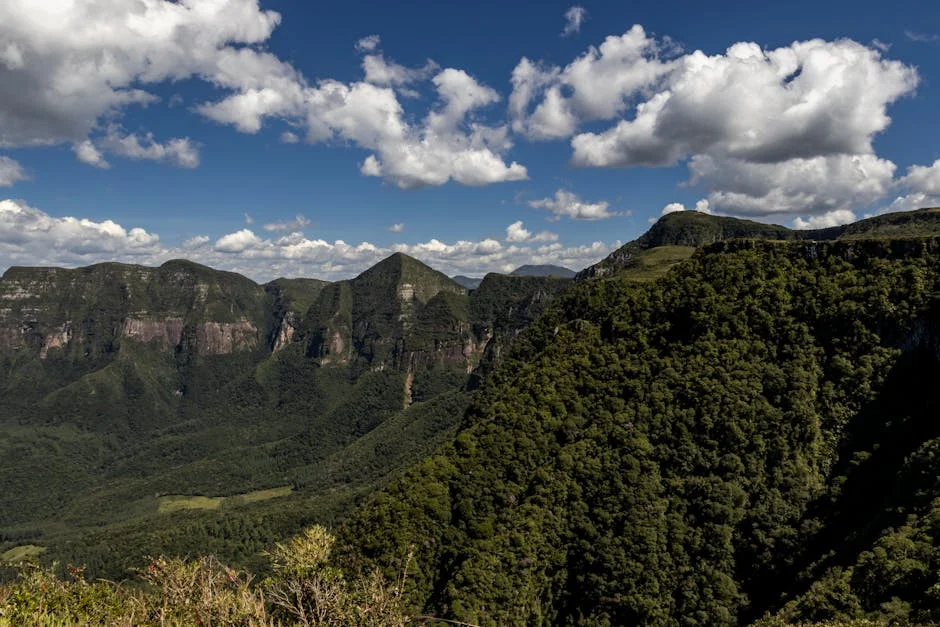
KwaZulu-Natal has long been a gateway for international visitors, but the new strategy seeks to deepen its impact on local households. The province’s diverse offerings, ranging from the Drakensberg mountains to the coastal cities of Durban and Richards Bay, provide a unique selling point. Ramaphosa emphasized that this diversity allows for year-round tourism, reducing the seasonal volatility that often plagues the sector.
Local businesses are already feeling the initial waves of this renewed focus. Small hotels, tour operators, and artisan markets in areas like Pietermaritzburg and the Midlands are seeing increased footfall. This surge in activity translates directly into income for families who have been grappling with inflation and rising living costs.
Infrastructure and Accessibility
To sustain this growth, the government has committed to upgrading critical infrastructure. Improved road networks and enhanced airport facilities in Durban are essential to handle the projected increase in arrivals. These upgrades are not just about convenience; they are about connecting remote communities to the broader economic mainstay. Better roads mean that suppliers from rural areas can more easily reach urban markets, lowering costs and increasing profits.
Investment in digital infrastructure is also a key component of the plan. High-speed internet access in tourist hubs allows for better communication with global markets and enhances the experience for digital nomads and remote workers. This modernization effort ensures that KZN remains competitive against other African destinations like Mauritius and Rwanda.
Job Creation and Local Economy
The most immediate benefit of Ramaphosa’s tourism push is job creation. The hospitality sector is labor-intensive, meaning that for every dollar spent by a tourist, a significant portion stays within the local economy. Ramaphosa highlighted that the goal is to create over 50,000 new jobs in the next three years. These jobs range from entry-level positions in hotels to specialized roles in eco-tourism and heritage management.
For young people in KZN, this represents a tangible opportunity to enter the workforce. The unemployment rate in the province has been a persistent challenge, and tourism offers a quick entry point. Training programs are being launched to equip locals with the necessary skills, from customer service to language proficiency. This upskilling initiative ensures that the benefits of tourism are not just limited to the elite but are distributed across various socio-economic groups.
Small and medium-sized enterprises (SMEs) are also set to benefit. The government plans to introduce tax incentives for SMEs in the tourism sector. These incentives will help small businesses expand and hire more staff. This support is crucial for fostering a robust local economy that can withstand external shocks.
Regional Spillover Effects
The success of KZN’s tourism strategy has implications that extend beyond South Africa’s borders. As a leading destination in Southern Africa, KZN acts as a hub for regional travel. Visitors to Durban often extend their trips to neighboring countries such as Mozambique and Eswatini. This cross-border movement creates a ripple effect, boosting economies in the wider region.
For Nigeria and other West African nations, the dynamics in Southern Africa offer valuable lessons. The focus on local community involvement and infrastructure development can be replicated in regions like Lagos and Abuja. By learning from KZN’s model, other African countries can enhance their own tourism sectors and drive economic growth. The interconnectivity of African markets means that a boost in one region can lead to increased trade and investment opportunities for others.
Furthermore, the Africa Travel Indaba serves as a platform for collaboration among African nations. Leaders from across the continent use this event to share best practices and forge partnerships. Ramaphosa’s emphasis on KZN’s success story encourages other countries to identify and leverage their unique tourism assets. This collaborative approach strengthens the continent’s position in the global tourism market.
Challenges and Community Response
Despite the optimism, challenges remain. Infrastructure deficits, particularly in power supply and water management, continue to affect the quality of the tourist experience. Load shedding, or scheduled power outages, can disrupt travel plans and deter visitors. The government has acknowledged these issues and has included energy solutions as part of the tourism strategy. Solar power installations in hotels and resorts are becoming more common, reducing reliance on the national grid.
Community engagement is another critical factor. Local residents must feel included in the tourism boom to ensure long-term sustainability. Ramaphosa stressed the importance of involving communities in decision-making processes. This includes consulting with local leaders on development projects and ensuring that a fair share of tourism revenue is reinvested into community programs.
Social impact assessments are being conducted to measure the effectiveness of these initiatives. Feedback from local communities will guide future policies and help address any emerging issues. This participatory approach fosters a sense of ownership among residents, leading to better preservation of cultural heritage and natural resources.
Economic Data and Investment
The economic data supports the potential for growth. Tourism contributed approximately 8% to South Africa’s GDP in the pre-pandemic era, and the goal is to restore and exceed this figure. KZN accounts for nearly 30% of the national tourism revenue, making it a critical contributor. Investors are showing renewed interest, with several major hotel chains announcing expansions in Durban and the North Coast.
The government has also launched a marketing campaign to attract international visitors. This campaign highlights KZN’s unique selling points, including its wildlife, beaches, and cultural diversity. Digital marketing efforts are targeting key markets in Europe, Asia, and North America. The use of social media and influencer partnerships is helping to reach younger demographics.
Financial incentives are being offered to attract foreign direct investment. These incentives include tax holidays and grants for infrastructure development. The goal is to create a favorable business environment that encourages long-term commitments from investors. This influx of capital will help modernize the sector and improve service quality.
Future Outlook and Next Steps
The next phase of the strategy involves monitoring and evaluation. The Department of Tourism has established a task force to track progress and identify areas for improvement. Regular reports will be published to keep stakeholders informed. This transparency is crucial for maintaining investor confidence and ensuring that the strategy remains on track.
Upcoming events, including the Africa Travel Indaba next year, will provide opportunities to showcase progress and attract new partners. Ramaphosa has invited leaders from across the continent to visit KZN and experience the transformation firsthand. This hands-on approach helps to build momentum and encourages further collaboration.
Citizens and businesses in KZN should watch for specific policy announcements in the coming months. These may include details on tax incentives, infrastructure projects, and training programs. Staying informed will allow stakeholders to position themselves to take full advantage of the opportunities presented by the tourism boom. The journey toward economic recovery is underway, and the role of tourism is central to this transformation.
Frequently Asked Questions
What is the latest news about ramaphosa launches kzn tourism push what it means for african travel?
President Cyril Ramaphosa has declared tourism the primary engine for South Africa’s economic recovery, placing the spotlight squarely on KwaZulu-Natal (KZN) during the Africa Travel Indaba.
Why does this matter for politics-governance?
The announcement came on Tuesday, signaling a decisive shift in policy focus.
What are the key facts about ramaphosa launches kzn tourism push what it means for african travel?
For communities across the province, this means potential wage growth and renewed infrastructure investment.
Ramaphosa stressed the importance of involving communities in decision-making processes. Social impact assessments are being conducted to measure the effectiveness of these initiatives.