The All Farmers Association of Nigeria has issued a stark warning to households across the country, suggesting that the anticipated relief in food prices may not arrive with the next harvest as optimistically predicted. This development challenges the prevailing narrative that the upcoming agricultural cycle will automatically stabilize the cost of living for the average Nigerian citizen. The association argues that structural bottlenecks and persistent inflationary pressures will keep essential commodities expensive despite increased production volumes.
For millions of families in urban centers like Lagos and Abuja, the cost of basic staples such as rice, tomatoes, and onions has become a primary driver of household budget anxiety. The association’s latest assessment indicates that without immediate intervention in supply chain logistics and input costs, the price tag on the dinner table will remain stubbornly high. This creates a critical juncture for policymakers who have promised that the harvest season would bring immediate reprieve to the struggling middle and lower classes.
Structural Barriers to Price Stabilization
The All Farmers Association explains that production volume alone does not dictate market price when the distribution network is fractured. Farmers are currently facing elevated costs for fertilizers, seeds, and diesel, which directly inflate the base price of produce before it even reaches the primary markets. These input costs have surged due to broader macroeconomic factors, including currency devaluation and fluctuating global oil prices, which disproportionately affect rural producers.
Transportation remains a critical bottleneck that prevents cheap produce from reaching urban consumers at affordable rates. Poor road infrastructure in key agricultural belts forces traders to rely on expensive logistics solutions, adding layers of cost at every mile. The association highlights that a bag of rice produced in the North may double in price by the time it reaches a retailer in the South, not because of scarcity, but because of logistical inefficiencies.
Input Costs and Rural Squeeze
Rural farmers are bearing the brunt of these rising input costs, which threatens the sustainability of smallholder agriculture. The association notes that many farmers are forced to sell their produce at lower margins to cover immediate cash flow needs, only to see traders reap the bulk of the profits. This dynamic discourages investment in quality improvements and limits the overall productivity gains that could otherwise lower consumer prices.
Without targeted subsidies or credit facilities, farmers cannot absorb the shock of rising input prices. The association calls for a more robust support system that directly targets the producer, ensuring that the cost of production does not continuously outpace the selling price. This structural adjustment is essential to breaking the cycle of high costs that ultimately gets passed on to the end consumer.
Impact on Urban Households and Daily Life
For the average Nigerian family, the persistence of high food prices has forced difficult choices in daily consumption patterns. Many households are shifting from protein-rich diets to carbohydrate-heavy meals to stretch their limited budgets. This nutritional shift has long-term health implications, particularly for children and the elderly in densely populated urban areas where fresh produce is often the first item to be cut from the shopping list.
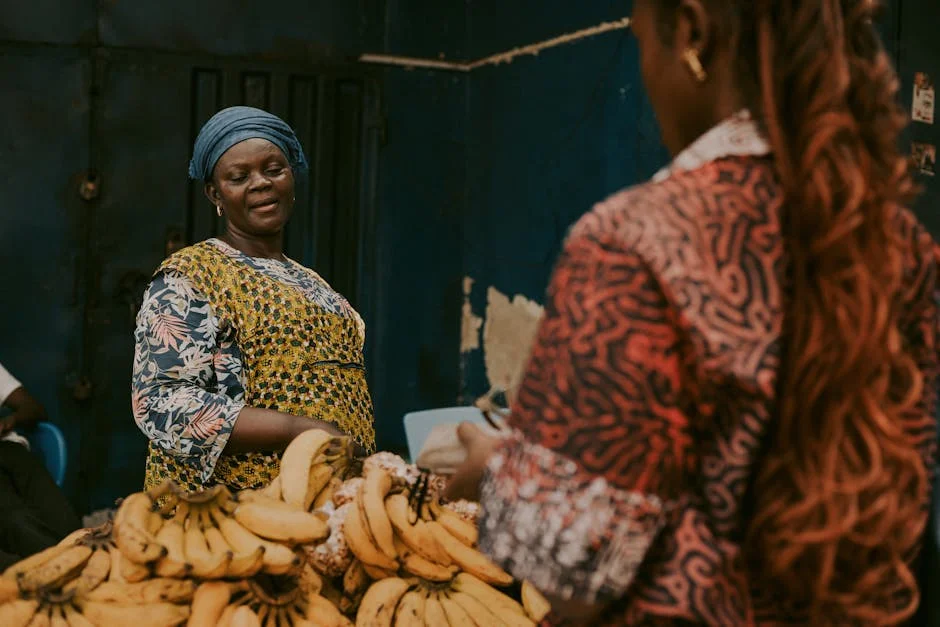
The psychological toll of economic uncertainty is also mounting, as consumers face the same high prices month after month. In cities like Port Harcourt and Kano, market women report that customer spending power has dwindled, leading to slower sales and increased waste. This stagnation in market turnover affects the entire value chain, from the farmer in the field to the vendor at the gate.
Community response has been characterized by a growing demand for transparency and accountability from both traders and government agencies. Citizens are increasingly questioning why the promised benefits of the harvest are not translating into lower shelf prices. This disconnect between agricultural output and consumer experience fuels public frustration and erodes trust in economic management.
Policy Gaps and Government Response
The All Farmers Association has urged the Federal Government to move beyond general declarations and implement concrete measures to stabilize the food sector. Current policies are often fragmented, failing to address the interconnected nature of production, logistics, and retail pricing. The association argues that a coordinated approach involving the Ministry of Agriculture, the Central Bank, and state governments is necessary to create a cohesive strategy.
One key recommendation is the revitalization of the Anchor Borrowers’ Programme to ensure that smallholder farmers have access to credit at favorable interest rates. This would allow farmers to invest in better inputs and technologies, thereby increasing yield and reducing the per-unit cost of production. The association emphasizes that without financial liquidity, farmers remain vulnerable to market shocks and price manipulation.
Additionally, the association calls for the reduction of multiple taxation on agricultural goods at various checkpoints along major trade routes. These levies, often imposed by state and local governments, add significant overhead costs that are ultimately borne by the consumer. Streamlining these taxes would reduce the final price of goods and encourage more efficient trade flows across regions.
Market Dynamics and Trader Behavior
The behavior of middlemen and traders plays a crucial role in determining the final price consumers pay. The All Farmers Association points out that speculative hoarding and price manipulation are common practices that exacerbate inflation during periods of perceived scarcity. Traders often hold onto stocks in anticipation of price hikes, which artificially reduces supply and drives up costs in the short term.
This speculative behavior is fueled by uncertainty regarding government policies and currency stability. When traders are unsure about the future value of the Naira, they tend to price their goods higher to hedge against potential losses. This creates a feedback loop where high prices lead to more speculation, further entrenching inflationary pressures in the food sector.
To counter this, the association suggests the introduction of strategic grain reserves that can be released to the market during peak demand periods. This would help stabilize prices and reduce the ability of traders to manipulate supply. A well-managed reserve system would provide a buffer against sudden price shocks and offer consumers more predictable pricing.
Regional Disparities in Food Access
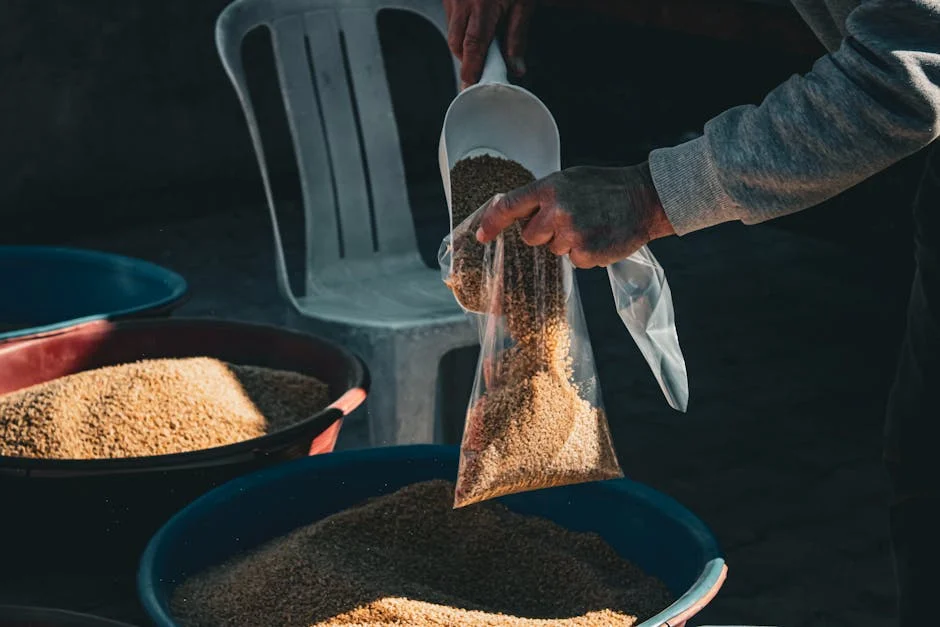
Food price inflation is not uniform across Nigeria, with significant regional disparities affecting different communities. Northern states, which are major producers of grains, often see lower prices compared to southern states that rely heavily on imports and inter-state trade. However, even within producing regions, poor infrastructure can isolate communities, leading to localized price spikes.
In the South-South region, for example, the cost of transporting goods from the North is compounded by the need to use waterways and multiple transfer points. This adds layers of cost that make food significantly more expensive for residents of cities like Warri and Calabar. These regional variations highlight the need for tailored interventions that address specific logistical challenges in different parts of the country.
Addressing these disparities requires a multi-faceted approach that includes infrastructure development, local production incentives, and targeted subsidies. By reducing the cost of moving goods from farm to fork, policymakers can help level the playing field and ensure that all Nigerians have access to affordable food, regardless of their geographic location.
Looking Ahead: Critical Milestones
The next three months will be a critical period for determining whether food prices will stabilize as predicted. The All Farmers Association has set a timeline for the government to announce specific interventions, including the release of strategic reserves and the implementation of tax reforms. Failure to act within this window could lead to further price hikes and increased economic strain on households.
Citizens should watch for announcements regarding the Central Bank’s monetary policy decisions, which will influence the cost of credit for farmers and traders. Additionally, the performance of the harvest in key agricultural belts will provide early indicators of supply levels. Monitoring these developments will help consumers and businesses plan for the months ahead and navigate the evolving economic landscape.
See Also
- South Africa Police Probe Killing of Two Mozambican Men in Mossel Bay
- South African Police Inquiry Triggers Public Outcry Over Drug Raids and Gifts
Northern states, which are major producers of grains, often see lower prices compared to southern states that rely heavily on imports and inter-state trade. Additionally, the performance of the harvest in key agricultural belts will provide early indicators of supply levels.
What is the latest news about farmers association warns food prices may not drop soon?
Why does this matter for health-medicine?
What are the key facts about farmers association warns food prices may not drop soon?