Terminal Multi-Modal Logistics (PTML) has handed over a fully integrated, ICT-driven office facility to the Nigeria Customs Service. This strategic donation aims to overhaul clearance processes at the bustling Apapa and Onitsha ports. The move directly targets the chronic congestion that frustrates traders and inflates consumer prices across Lagos and surrounding regions.
Modernising the Gateway to Trade
The new facility represents a shift from traditional, paper-heavy customs operations to a digital-first approach. Ascanio Russo, the Managing Director of PTML, emphasized that technology is the key to unlocking efficiency in Nigeria’s most critical trade corridors. The office is equipped with high-speed internet servers, dedicated workstations, and real-time data tracking systems.
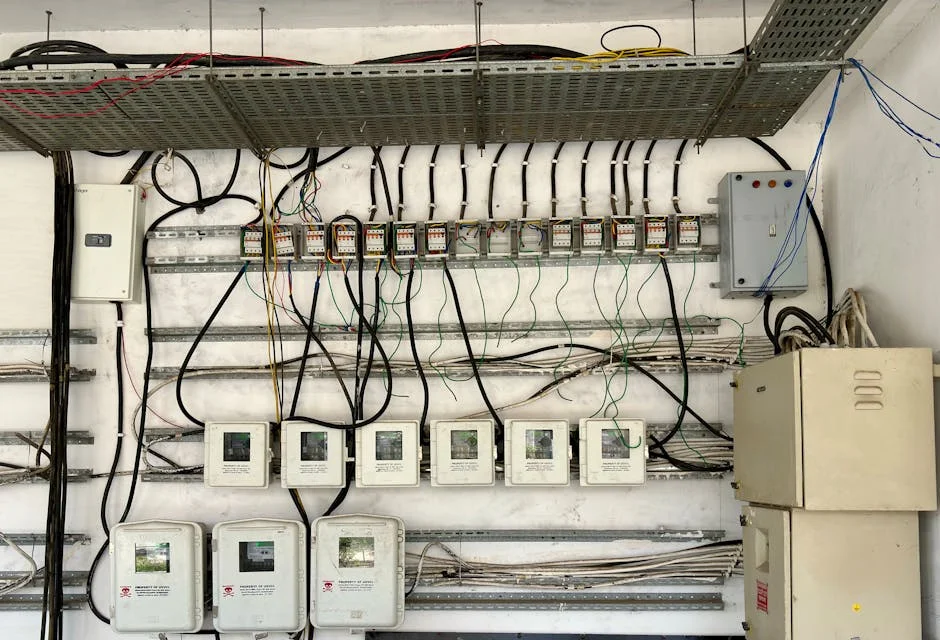
For local communities in Lagos, this infrastructure upgrade promises tangible relief. Congestion at the Apapa port often spills over into the city’s main roads, trapping commuters for hours. Faster clearance times mean trucks spend less time idling in traffic, reducing fuel consumption and emissions in the already polluted corridor.
Russo explained that the goal is to reduce the average dwell time for containers. Currently, a container can sit for up to 10 days before reaching the warehouse. With the new ICT systems, PTML targets a reduction to under five days. This speed is vital for perishable goods and fast-moving consumer items.
Impact on Local Traders and Prices
The efficiency gains at the port level ripple through the entire supply chain. Traders in the Onitsha Main Market, one of West Africa’s largest trading hubs, rely on swift delivery from Lagos. Delays at the port translate directly to higher costs for these merchants.
When trucks are delayed, traders pay for extended storage fees and higher fuel costs. These expenses are often passed on to the end consumer. A reduction in port congestion could lead to a modest but noticeable drop in prices for everyday items like rice, cement, and textiles.
Small and medium-sized enterprises (SMEs) stand to benefit significantly. These businesses often lack the financial buffer to absorb long delays. A faster turnaround allows them to restock quicker, keeping their cash flow healthy and their shelves full. This stability is crucial for the local economy.
Technological Integration in Customs
The donated facility is not just a building; it is a technological hub. It integrates with the Customs Management System (CMS) used by the Nigeria Customs Service. This integration allows for real-time visibility of cargo status for both officials and importers.
Officials can now process documents digitally, reducing the need for physical file movement. This minimizes the chances of lost documents and human error. The system also enhances transparency, as every action is logged and time-stamped.
Enhanced Data Analytics for Decision Making
Beyond immediate clearance, the ICT facility enables better data collection. The Nigeria Customs Service can now analyze traffic patterns and peak hours more accurately. This data helps in deploying officers and resources more effectively.
For PTML, this data is also valuable. It helps the company predict demand and manage their terminal operations more efficiently. The synergy between the private operator and the regulatory body creates a more responsive system for all stakeholders involved in the trade process.
Community Response and Local Economy
Local stakeholders have welcomed the development with cautious optimism. Porters, truck drivers, and clearing agents see the potential for a smoother workflow. However, they also recognize that implementation is as important as the infrastructure itself.
The community in the Apapa area relies heavily on the port for daily wages. Any improvement in efficiency means more consistent work and potentially higher earnings for these informal sector workers. Reduced idle time for trucks also means more trips per week for drivers.
Services Limited, a key partner in this initiative, has highlighted the social responsibility aspect of the project. The company believes that private sector investment in public infrastructure is essential for national growth. This partnership model could serve as a blueprint for other port cities in Nigeria.
Challenges to Full Implementation
Despite the promising start, challenges remain. The success of the ICT facility depends on consistent power supply and internet connectivity. In Lagos, power outages are still frequent, which could disrupt the digital workflow if backup systems fail.
Training for customs officers and port staff is another critical factor. Technology is only as good as the people using it. Continuous training sessions are needed to ensure that all users are comfortable with the new systems. Resistance to change can sometimes slow down adoption rates.
Furthermore, the integration with other agencies like the Nigerian Ports Authority (NPA) and the Road Safety Corps is vital. If one agency is faster than the others, bottlenecks will simply shift rather than disappear. A holistic approach is needed for maximum impact.
Broader Economic Implications
This development by Ascanio Russo and PTML has wider implications for Nigeria’s economy. Efficient ports are a major draw for foreign direct investment. Investors look for reliability and speed when choosing a market entry point.
A more efficient port system reduces the overall cost of doing business in Nigeria. This competitiveness is crucial for attracting manufacturing and logistics companies. It also helps in stabilizing the exchange rate by ensuring a steady flow of imports and exports.
The initiative also aligns with the government’s broader economic recovery plan. By leveraging private sector expertise and resources, the public sector can achieve faster results. This collaborative effort demonstrates a pragmatic approach to solving long-standing infrastructural woes.
Future Steps and What to Watch
The next phase involves monitoring the performance metrics of the new facility. PTML and the Nigeria Customs Service will track key indicators such as average clearance time and truck turnover rate. These metrics will determine the true impact of the ICT donation.
Readers should watch for announcements regarding the expansion of this model to other terminals. If successful in Apapa, the system could be replicated in other major ports like Tin Can Island and Onne. This expansion would further ease pressure on the Lagos corridor.
The coming months will be critical for assessing the sustainability of the improvements. Stakeholders will be looking for concrete data on cost reductions and time savings. The success of this initiative could set a new standard for port efficiency in West Africa.
See Also
- Meta Urges Boost in Oversight as Fake AI Videos Spread - Analysis Reveals Potential for African Growth
- Tanzania Forces Digital Procurement Shift, Exposing Public Spending