Morocco has intensified its military presence in the volatile Sahel region through the latest iteration of the African Lion exercise, signaling a strategic shift in North African defense. This move directly impacts communities across the borderlands, where security forces are increasingly coordinating to counter insurgent groups and stabilize local economies. Citizens in cities like Nouakchott and Dakar are witnessing a tangible change in how regional powers address the spillover of conflict from the Sahel.
Strategic Expansion of African Lion
The African Lion exercise is not merely a symbolic gathering of troops. It represents a concrete mechanism for Morocco to project power and secure its southern flank. By integrating units from multiple nations, the exercise aims to create a unified front against the fragmented threats that have long plagued the region. This coordination is critical for reducing the frequency of cross-border raids that disrupt daily life for thousands of families.
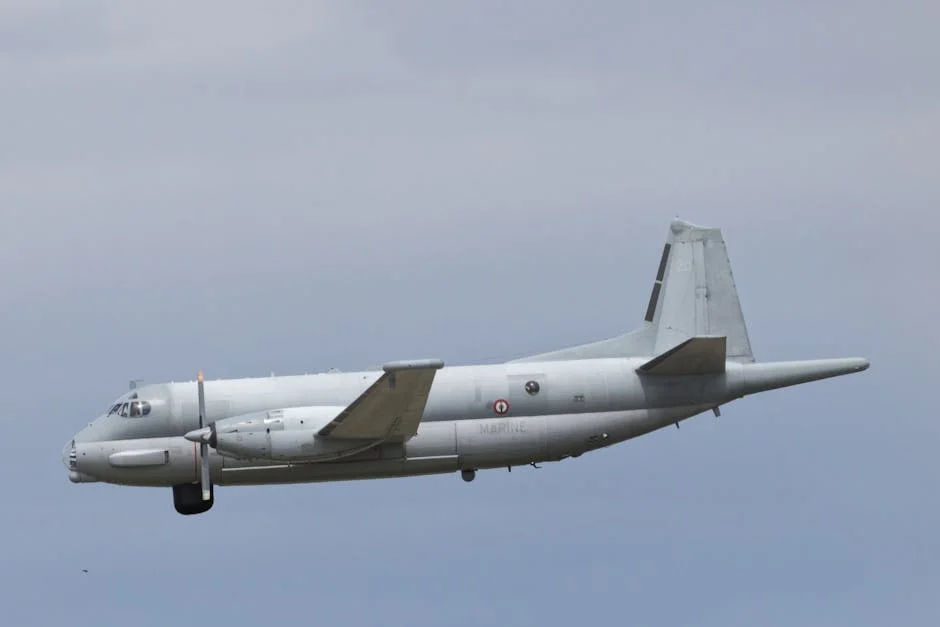
Moroccan military leaders have emphasized the need for interoperability among allied forces. The exercise involves complex logistical operations, including joint air and ground maneuvers that test the resilience of supply lines. These drills are designed to simulate real-world scenarios that soldiers in the Sahel face every day. The focus is on rapid deployment and effective communication under pressure.
The scale of this year’s exercise marks a departure from previous years. More units are participating, and the geographic scope has expanded to include key transit routes. This expansion reflects a growing recognition that the Sahel crisis cannot be contained by any single nation. The involvement of Morocco adds a layer of strategic depth to the regional security architecture.
Direct Impact on Local Communities
For ordinary citizens living near the border, these military movements have immediate consequences. Increased troop presence often leads to stricter checkpoints and more frequent curfews. While these measures can disrupt travel and trade, they are intended to reduce the incidence of violence in rural areas. Families in the region must adapt to a new normal where security is both a priority and a constraint.
The economic impact is also significant. Local markets depend on the steady flow of goods across borders. When military exercises tighten controls, prices for essential commodities can rise. Small business owners in border towns report fluctuations in sales volume during peak exercise periods. However, many also note that improved security allows for more consistent access to markets in the long run.
Social and Economic Ripples
The social fabric of Sahel communities is tested by prolonged military engagement. Schools and healthcare facilities often benefit from improved access roads built for military logistics. These infrastructure improvements serve dual purposes, aiding both troop movement and civilian access to services. Communities have learned to leverage these developments to enhance their own resilience.
However, the presence of foreign troops can also spark local tensions. Issues of land use and resource allocation often come to the forefront during large-scale exercises. Local leaders must navigate these dynamics carefully to maintain public support. The success of African Lion depends not just on military efficiency but also on the goodwill of the local population.
Countering Sahel Threats
The primary objective of these exercises is to counter the growing influence of insurgent groups in the Sahel. Organizations such as Al-Qaeda in the Islamic Maghreb (AQIM) and the Islamic State in the Greater Sahara (ISGS) continue to exploit governance gaps. The Moroccan-led initiative seeks to disrupt their supply chains and command structures through coordinated strikes.
Intelligence sharing is a critical component of this strategy. The exercise provides a platform for real-time data exchange between allied nations. This collaborative approach allows for more targeted operations, reducing collateral damage and increasing the effectiveness of ground forces. The integration of drone technology and satellite imagery has further enhanced situational awareness.
The threat landscape in the Sahel is dynamic and unpredictable. Insurgent groups have adapted to traditional military tactics, using guerrilla warfare and hit-and-run attacks. The African Lion exercise incorporates these challenges into its training modules, ensuring that troops are prepared for a variety of combat scenarios. This adaptability is crucial for maintaining long-term stability in the region.
Regional Security Architecture
Morocco’s increased involvement in the Sahel reflects a broader trend in North African defense policy. Traditional powers like France and the United States are adjusting their footprints, creating opportunities for regional actors to step up. Morocco is positioning itself as a key player in this new security order. Its geographic location and military capabilities make it a natural hub for coordination.
The exercise also strengthens diplomatic ties between participating nations. Shared military experiences often translate into deeper political alliances. These alliances are essential for addressing the root causes of instability, such as poverty and weak governance. By fostering closer cooperation, Morocco aims to create a more cohesive regional response to the Sahel crisis.
Other North African countries are watching Morocco’s move closely. Some see it as a model for effective regional leadership, while others view it as a potential source of competition. The outcome of African Lion will influence how other nations structure their own defense strategies. The ripple effects of this exercise extend far beyond the immediate battlefield.
Economic Implications for the Region
The security situation in the Sahel has profound economic implications for the entire region. Trade routes that connect North Africa to West Africa are vital for economic growth. When these routes are disrupted by conflict, the cost of living rises for millions of people. The African Lion exercise aims to secure these corridors, thereby supporting economic stability.
Investment in the Sahel remains cautious due to security risks. However, improved military coordination can attract more foreign direct investment. Companies are more likely to expand into the region when they feel confident about the security of their assets. This economic boost can create jobs and improve living standards for local populations.
The agricultural sector is particularly sensitive to security conditions. Farmers in the Sahel face threats from bandits and insurgents who raid crops and livestock. By enhancing security, the exercise helps protect these livelihoods. A stable agricultural output is essential for food security in a region that often faces drought and climate challenges.
Community Response and Resilience
Local communities in the Sahel have developed remarkable resilience in the face of ongoing conflict. Community-based security initiatives often complement formal military efforts. Village watch groups and local militias play a crucial role in gathering intelligence and providing early warnings. The African Lion exercise recognizes the importance of these grassroots efforts.
Education and healthcare services are also key to building community resilience. When schools and clinics remain open, communities are more likely to feel secure. The military exercises often include humanitarian components, such as medical camps and school repairs. These initiatives help build trust between the troops and the local population.
Youth engagement is another critical factor. Young people in the Sahel are often recruited by insurgent groups due to a lack of opportunities. By creating economic prospects and improving security, the region can reduce the appeal of militant recruitment. The long-term success of African Lion depends on addressing these social and economic drivers of conflict.
Future Outlook and Next Steps
The next phase of the African Lion exercise will focus on evaluating the effectiveness of the current strategies. Military analysts will review data from the drills to identify areas for improvement. This feedback loop is essential for refining tactics and enhancing coordination among allied forces. The findings will inform future planning and resource allocation.
Diplomatic efforts will continue to complement the military actions. Regional leaders will meet to discuss broader security and economic cooperation. These discussions will address the political dimensions of the Sahel crisis, including governance reforms and institutional strengthening. A holistic approach is necessary for lasting peace in the region.
Citizens in the Sahel and North Africa should watch for announcements regarding new security agreements and economic initiatives. The coming months will be critical for determining the long-term impact of Morocco’s expanded military role. Continued engagement and transparency will be key to maintaining public support for these efforts. The region stands at a crossroads, and the choices made now will shape its future for decades to come.
See Also
- Ministry of Works and Housing Commits to Enhancing Kano State’s Infrastructure through Rigorous Project Inspection
- Sagagi Promises to Drive Investments and Enhance Business Operations in Kano