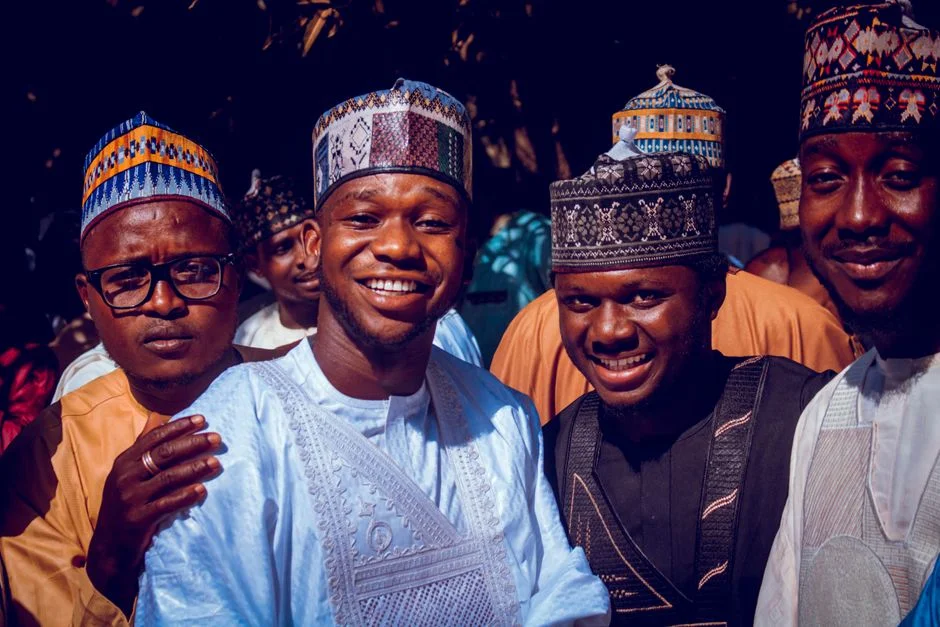
eThekwini Municipality has officially launched Articulate Africa, a strategic initiative designed to harness the cultural and creative potential of the region. Parks Director Simphiwe Ndlovu led the unveiling, signaling a direct push to convert local talent into tangible economic opportunities for residents. This move aims to bridge the gap between artistic output and commercial viability in the eThekwini metro area.
Launching a New Cultural Economy
The launch of Articulate Africa marks a decisive shift in how local government approaches cultural development. It moves beyond simple funding models to create a structured ecosystem for creators. Director Simphiwe Ndlovu emphasized that the region is sitting on a goldmine of untapped human capital. He argued that without infrastructure, talent often migrates or stagnates.
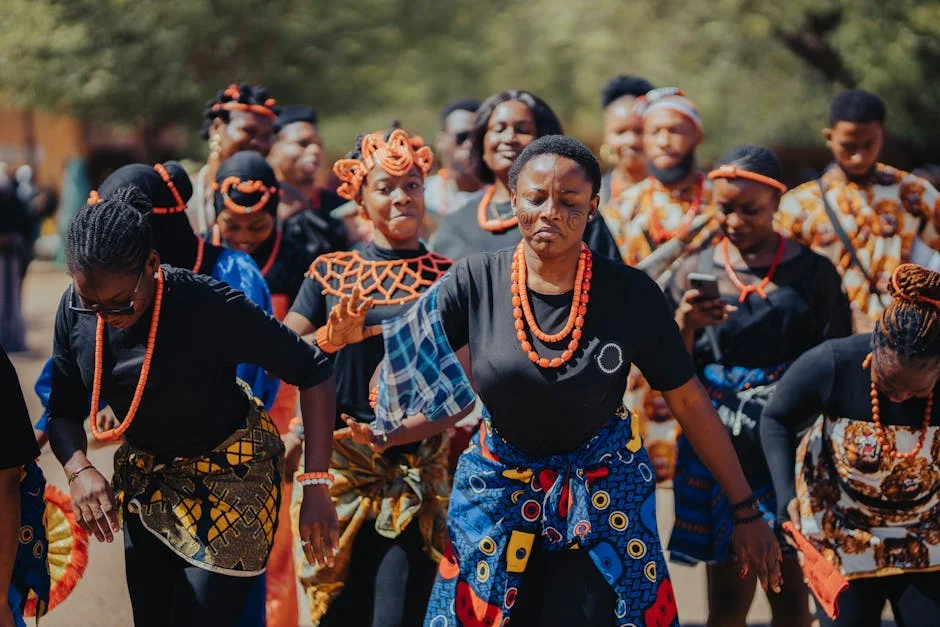
This initiative directly targets the creative class, including musicians, writers, and visual artists. It provides them with platforms to showcase their work to a broader audience. The municipality sees culture not just as heritage but as a dynamic economic sector. This perspective changes how grants and spaces are allocated in the city.
Residents can expect more organized events and better access to creative hubs. The program aims to reduce the friction between an artist’s idea and its final product. By streamlining these processes, eThekwini hopes to retain more youth in the local job market. This retention is critical for reducing urban unemployment rates.
Simphiwe Ndlovu’s Strategic Vision
Simphiwe Ndlovu brings a focused approach to the directorship of parks and recreation. His background suggests a blend of administrative rigor and cultural appreciation. He has positioned Articulate Africa as a vehicle for community empowerment. This aligns with broader municipal goals to decentralize economic activity.
Ndlovu’s strategy involves leveraging existing public spaces for cultural production. This means parks and recreation centers will host more workshops and exhibitions. Such utilization maximizes the return on public infrastructure investments. It also makes culture more accessible to everyday citizens who might not visit traditional galleries.
Integrating Parks with Creative Output
The integration of parks into the creative economy is a key component of the plan. Green spaces will serve as open-air studios and performance venues. This reduces overhead costs for emerging artists who often struggle with rent. It also revitalizes underused areas, making them vibrant community hubs.
Local businesses near these parks are likely to see increased foot traffic. Cafes, shops, and transport services benefit from the influx of visitors. This creates a multiplier effect that spreads economic gains beyond the creative sector. The municipality aims to replicate this model in multiple wards across eThekwini.
Direct Impact on Daily Life
For the average citizen, this launch translates to more vibrant public life. Weekend markets and cultural festivals will become more frequent and better organized. Families will have more affordable entertainment options within their neighborhoods. This enhances social cohesion and community pride.
Students and young professionals gain new pathways to monetize their skills. The program offers mentorship and networking opportunities that were previously fragmented. Access to these resources can determine whether a local artist survives or moves to Johannesburg. Keeping talent local strengthens the regional identity and economic resilience.
Small businesses in the creative sector will find it easier to secure contracts. The municipality plans to introduce procurement preferences for local creative firms. This policy change could inject millions of rand into local businesses annually. It ensures that public spending directly supports local entrepreneurs.
Regional Economic Implications
The economic impact of Articulate Africa extends beyond direct employment. It boosts tourism by offering unique cultural experiences for visitors. Durban is already a major tourist destination, but cultural tourism can increase dwell time. Longer stays mean more spending on accommodation, food, and transport.
This initiative also positions eThekwini as a regional hub for the creative industries. Neighboring towns and rural areas can feed talent into this central ecosystem. This creates a corridor of economic activity that benefits the greater KwaZulu-Natal province. It encourages investment in infrastructure that supports creative work.
Local investors are beginning to take notice of the potential returns. Galleries, studios, and co-working spaces are popping up in strategic locations. This private sector response validates the municipality’s initial push. It suggests that the market sees culture as a viable investment class.
Community Response and Engagement
Early feedback from community leaders has been largely positive. Local councils appreciate the focus on grassroots talent rather than just established stars. They see this as a chance to give voice to marginalized neighborhoods. This inclusivity is crucial for ensuring broad-based benefits.
Residents have expressed hope that the program will reduce social unrest. By giving youth a sense of purpose and income, the initiative addresses root causes of urban tension. Culture becomes a tool for social stability as well as economic growth. This dual benefit makes the program attractive to various stakeholders.
Community organizations are eager to partner with the municipality. They bring local knowledge and networks that can accelerate implementation. These partnerships ensure that the program remains responsive to local needs. It prevents the initiative from becoming too top-down or bureaucratic.
Challenges to Implementation
Despite the optimism, several challenges remain. Funding consistency is a major concern for long-term sustainability. Municipal budgets are often subject to political shifts and economic pressures. Creators need predictable support to plan their careers effectively.
Infrastructure gaps in some wards could limit access to the program. Not all neighborhoods have equal proximity to parks or creative hubs. Transportation costs can still be a barrier for artists from outer suburbs. Addressing these spatial inequalities will require targeted interventions.
Competition from larger cities like Johannesburg and Cape Town is fierce. EThekwini must offer unique value propositions to retain top talent. This might involve specialized grants or tax incentives for creative firms. The municipality needs to act quickly to capitalize on the initial momentum.
Looking Ahead: Next Steps for EThekwini
The municipality has set a timeline for rolling out the first batch of grants. These will be awarded to selected artists and small creative enterprises by the end of the fiscal quarter. Applicants are being encouraged to submit proposals that demonstrate community impact. This ensures that public money yields visible social returns.
Residents should watch for announcements regarding the first major festival under the Articulate Africa banner. This event will serve as a showcase for the initiative’s early successes. It will also test the logistical capabilities of the new framework. Success here will pave the way for annual recurring events.
Local businesses are advised to prepare for increased demand for creative services. Schools and universities may also integrate the program into their curricula. This long-term integration could create a steady pipeline of skilled graduates. The coming months will be critical in determining the initiative’s enduring legacy.
See Also
- New Humanitarian Reveals Who Should Control Africa’s Emergency Cash
- South Africa Confirms Petrol Price Increase for June 2026 — Local Impact Looms
What is the latest news about ethekwini launches articulate africa how it transforms local talent?
Why does this matter for education?
What are the key facts about ethekwini launches articulate africa how it transforms local talent?