Leaders and media executives gathered in Addis Ababa this week to launch a bold new initiative aimed at reclaiming Africa’s voice on the world stage. The Reshape Africa campaign seeks to move beyond traditional aid-dependent stories, focusing instead on trade, technology, and cultural influence. This shift promises to change how the continent is perceived by international investors and how Africans view their own potential.
The Core Mission of the Reshape Africa Initiative
The initiative launched in Ethiopia’s capital marks a strategic pivot for African communication strategies. For too long, global media outlets have defined the African narrative through lenses of crisis, charity, and political instability. The new campaign challenges this status quo by promoting stories of innovation, infrastructure development, and economic resilience. Organizers argue that perception directly influences economic opportunity, making narrative control a vital economic asset.
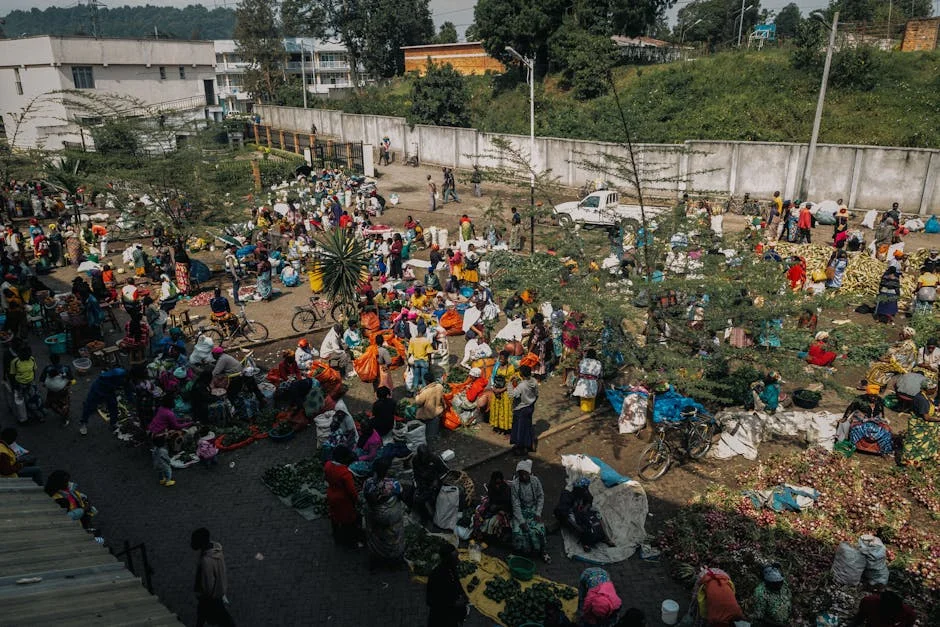
Participants at the summit emphasized that the current narrative limits foreign direct investment. When global investors see only risk, they demand higher returns or shy away entirely. By showcasing success stories in sectors like fintech, renewable energy, and agriculture, the initiative aims to attract capital. This approach aligns with broader continental goals outlined in the African Union’s Agenda 2063. The goal is to present a unified, dynamic image of a continent on the rise.
The campaign also targets internal perception. Many young Africans are beginning to look outward for validation, often consuming media produced in London, New York, or Dubai. Reshape Africa seeks to foster pride and a sense of ownership over the continent’s story. This psychological shift is crucial for building a cohesive regional market and encouraging intra-African trade. Citizens need to believe in their region’s potential to drive it forward.
Impact on Daily Life and Local Communities
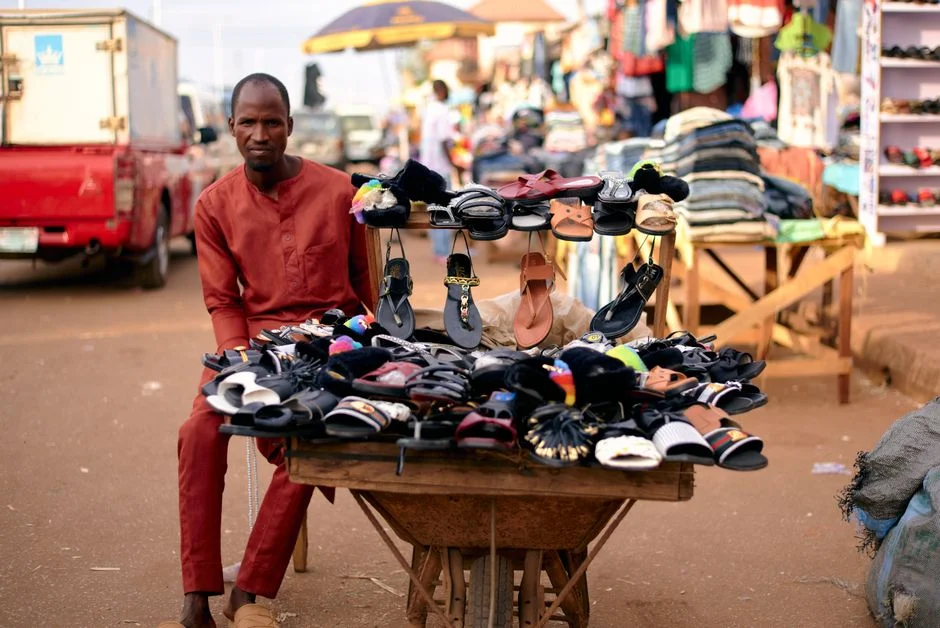
The ripple effects of this narrative shift will be felt directly in local economies. When global brands recognize African markets as sophisticated and growing, they invest more heavily in local supply chains. This means more jobs for local artisans, farmers, and manufacturers. For example, a positive narrative around African fashion could boost the textile industries in Lagos, Nairobi, and Accra. Small business owners stand to gain from increased visibility and export opportunities.
Education and tourism are other sectors poised for growth. A rebranded Africa attracts more students from within the continent to study locally, reducing the brain drain. It also draws more tourists seeking authentic cultural experiences rather than just safari adventures. Communities near historical sites and natural wonders can develop better infrastructure and service sectors to accommodate these visitors. This leads to better roads, more hotels, and improved public services for residents.
Media and Digital Economy Growth
The digital media landscape is set to explode as a result of these efforts. New platforms are emerging to tell African stories to African audiences, reducing reliance on Western news agencies. This creates jobs for journalists, filmmakers, and digital marketers across the continent. Young creatives in cities like Kigali and Dakar are finding new outlets for their work. The monetization of content becomes easier when the audience is engaged and the stories are relevant.
Local communities benefit from better information flow. When media is locally produced, it addresses specific regional challenges and celebrates local heroes. This fosters a stronger sense of community and civic engagement. People are more likely to participate in local governance and economic activities when they feel seen and heard. The initiative supports this by funding local media hubs and training programs.
Challenges in Rebranding the Continent
Despite the optimism, significant hurdles remain. The African continent is not a monolith; it consists of 54 countries with diverse languages, cultures, and political systems. Creating a unified narrative is a complex task. Critics argue that focusing on a single story might overshadow local nuances and specific challenges. For instance, the economic boom in one region might not reflect the struggles in another. Balancing unity with diversity is a key challenge for organizers.
Infrastructure deficits also pose a threat to the campaign’s success. Reliable internet connectivity, power supply, and transport networks are essential for telling and spreading these new stories. Without them, the digital revolution in African media will remain uneven. Governments must invest in hard infrastructure to support the soft power of the narrative. This requires coordinated policy-making and significant financial commitment from both public and private sectors.
Resistance from established global media giants is another factor. These outlets have long dominated the African narrative and may not easily cede ground. They often have entrenched biases that are slow to change. African media companies must produce high-quality, compelling content that competes with Western standards. This requires investment in technology, training, and distribution networks. The battle for attention is fierce and requires sustained effort.
Role of Technology and Innovation
Technology is the backbone of the Reshape Africa campaign. Digital platforms allow African stories to reach global audiences instantly, bypassing traditional gatekeepers. Social media, streaming services, and online news portals are becoming the primary sources of information for many Africans. This democratization of media gives power to the people, allowing them to share their experiences directly. It also enables real-time feedback and engagement with global audiences.
Innovation in content creation is also crucial. African filmmakers and musicians are gaining global recognition, bringing new perspectives to the world stage. Nollywood, Afrobeats, and African literature are already reshaping global culture. The initiative aims to leverage this cultural capital to boost other sectors. By showing Africa as a trendsetter, the campaign aims to shift perceptions from follower to leader. This cultural confidence translates into economic confidence and attracts partnerships.
Economic Implications for Investors and Traders
For investors, a changed narrative means a changed risk assessment. If Africa is seen as a land of opportunity rather than a basket of cases, capital flows will increase. This benefits local businesses that can access funding for expansion. It also encourages the development of financial products tailored to African markets. Banks and fintech companies are already responding to this shift by launching new savings, credit, and insurance products. This financial deepening supports economic growth and stability.
Trade within Africa is also set to benefit. The African Continental Free Trade Area (AfCFTA) relies on a sense of shared destiny and opportunity. A unified narrative supports this by highlighting the benefits of regional integration. When Africans see their neighbors as partners and competitors, trade barriers become easier to overcome. This leads to more efficient supply chains, lower prices for consumers, and a more robust regional economy. The narrative shift is thus a catalyst for economic policy implementation.
Community Response and Grassroots Engagement
Grassroots engagement is essential for the campaign’s longevity. It is not enough for leaders to announce a new narrative; citizens must live it. Community forums, local festivals, and school curricula are being used to introduce the new themes. This ensures that the message reaches beyond the urban elite and penetrates rural areas. When local leaders and influencers champion the campaign, it gains credibility and traction. People are more likely to believe in a story told by their neighbors.
Youth engagement is particularly strong. Young Africans are digital natives and are quick to adopt and amplify new messages. They are using social media to showcase their talents, businesses, and cultural heritage. This organic promotion is powerful and authentic. It counters the often top-down approach of previous communication strategies. By empowering the youth, the initiative ensures that the new narrative is dynamic and evolving. They are the ambassadors of the new Africa.
What Lies Ahead for the Campaign
The next phase of the Reshape Africa initiative will focus on measurement and adaptation. Organizers plan to track media coverage, investment flows, and public sentiment to gauge progress. This data will help refine the strategy and address emerging challenges. Regular summits and regional hubs will keep the momentum going. The goal is to create a self-sustaining ecosystem of storytellers, investors, and policymakers. The journey has just begun, but the direction is clear. Watch for the launch of the first major digital platform dedicated to this mission in the coming months.
See Also
- Modi Sends Eid Greetings as Global Brotherhood Hopes Rise
- Nepal Aims for Victory Over Oman in Key Cricket World Cup Match
This requires coordinated policy-making and significant financial commitment from both public and private sectors. By showing Africa as a trendsetter, the campaign aims to shift perceptions from follower to leader.
What is the latest news about addis ababa summit forces africa to rewrite its global story?
Why does this matter for culture-arts?
What are the key facts about addis ababa summit forces africa to rewrite its global story?