South Africa’s logistics sector is undergoing a rapid transformation that challenges the assumption that robots will soon replace human workers entirely. Major distribution centers in Johannesburg and Cape Town are integrating advanced automation, yet they are simultaneously increasing their headcount. This counterintuitive trend offers critical lessons for Nigeria and other emerging African economies navigating their own technological shifts.
For the average citizen, the fear is that technology strips jobs from the working class. However, data from South African industrial hubs suggests a more nuanced reality where technology augments rather than eliminates labor. Understanding this dynamic is essential for policymakers and workers across the continent.
Automation Does Not Mean Empty Floors
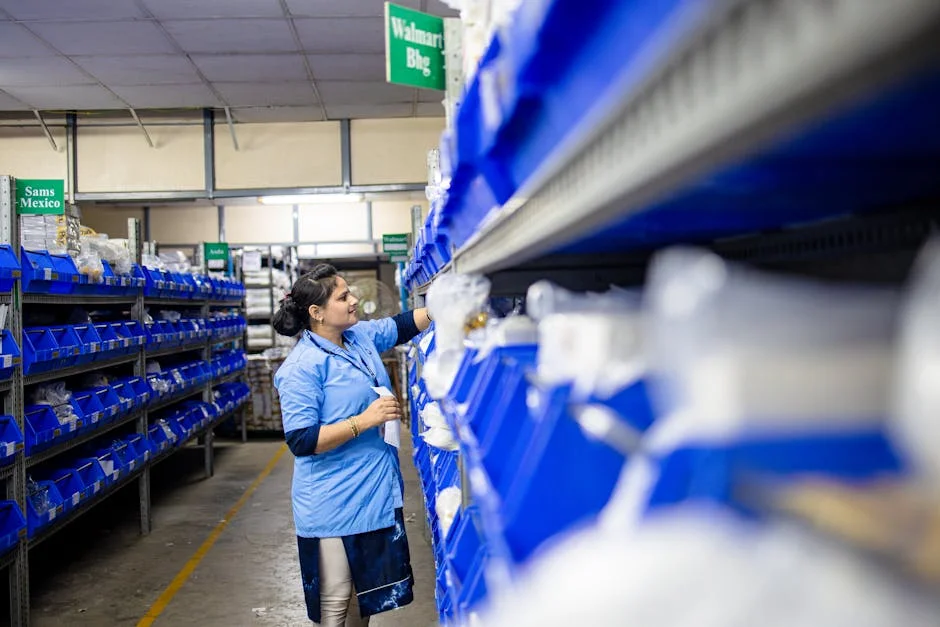
Contrary to popular belief, the surge in smart warehouse technology in South Africa has not led to mass redundancies. Instead, companies are finding that fully automated systems often stall without human intervention. The initial phase of automation typically involves installing conveyor belts, automated storage and retrieval systems, and robotic arms.
These systems require constant monitoring, maintenance, and occasional troubleshooting. A robot can pick an item, but it struggles with irregularly shaped packages or sudden software glitches. This creates a new category of semi-skilled laborers who bridge the gap between raw data and physical goods.
Industry leaders in Johannesburg emphasize that the goal is efficiency, not total human exclusion. The integration of technology allows for faster processing times, which in turn increases the volume of goods handled. Higher volume often requires more hands on deck, not fewer.
Real-World Evidence from South African Hubs
Major logistics providers in South Africa have reported a 15% increase in warehouse staff over the past two years, despite heavy investment in technology. This growth is concentrated in regions like Gauteng, where the concentration of retail and manufacturing is highest. The data directly contradicts the narrative that automation inevitably leads to immediate job losses.
One prominent logistics firm in Cape Town recently expanded its smart facility, adding 200 new roles. These positions include system analysts, maintenance technicians, and quality control inspectors. The company cited the need for human oversight to ensure that the automated systems met the specific demands of the local market.
This expansion highlights a crucial point: technology is a tool, not a master. The success of smart warehouses depends heavily on the ability of local staff to adapt to new workflows. Without this human element, the technology remains underutilized and prone to errors.
The Role of Human Oversight
Human oversight is critical in managing the unpredictability of supply chains. Robots excel at repetitive tasks, but they lack the intuitive problem-solving skills that humans possess. When a shipment arrives late or a product is defective, a human worker can make an immediate decision.
This flexibility is vital for customer satisfaction. In the fast-moving consumer goods sector, a delay of even a few hours can impact sales. Human workers can adjust to these changes in real-time, ensuring that the flow of goods remains smooth.
Furthermore, human workers are essential for handling exceptions. Automated systems are designed for the norm, not the exception. When an anomaly occurs, such as a broken pallet or a mislabeled item, human intervention is required to prevent a bottleneck.
Implications for the Nigerian Market
Nigeria is currently watching South Africa’s logistics evolution with keen interest. As Nigeria expands its own infrastructure and adopts digital solutions, the South African model provides a template for balancing technology and employment. The Nigerian government and private sector must consider how to replicate this balance.
For Nigerian citizens, the message is one of cautious optimism. Technology will change the nature of work, but it may not reduce the total number of jobs. Instead, it will likely shift the demand towards more skilled positions. This means that investment in education and training will become increasingly important.
The Nigerian logistics sector is poised for growth, driven by e-commerce and urbanization. If Nigerian companies follow the South African example, they could see an increase in demand for tech-savvy workers. This could help reduce the youth unemployment rate, provided that the right skills are cultivated.
The Skills Gap Challenge
The transition to smart warehouses creates a skills gap that must be addressed. Traditional warehouse workers may need to upskill to remain competitive. This involves learning to operate new machinery, understand basic data analytics, and troubleshoot technical issues.
In South Africa, companies are investing in training programs to help their staff adapt. These programs often include on-the-job training and partnerships with local technical colleges. This approach ensures that the workforce remains relevant and productive.
Nigeria faces a similar challenge. The education system must evolve to produce graduates with the right mix of technical and soft skills. This includes digital literacy, problem-solving abilities, and adaptability. Without these skills, workers risk being left behind by the technological wave.
Social Impact on Local Communities
The rise of smart warehouses has a direct impact on local communities. In areas where large distribution centers are located, the influx of jobs can boost the local economy. This includes increased spending at local businesses and improved infrastructure.
However, there is also a risk of displacement if the transition is not managed well. Workers who are not upskilled may find themselves pushed out of the market. This can lead to social unrest and economic inequality. Therefore, community engagement and targeted training programs are essential.
South African communities have seen both positive and negative effects. In some cases, the new jobs have provided stability and higher wages. In others, the pace of change has outstripped the ability of workers to adapt. This highlights the need for a balanced approach to technological adoption.
Economic Benefits and Consumer Prices
One of the primary benefits of smart warehouses is increased efficiency. This efficiency translates into lower costs for businesses, which can be passed on to consumers. In South Africa, this has led to more competitive pricing on a range of goods, from electronics to groceries.
For Nigerian consumers, this could mean lower prices and faster delivery times. As Nigerian logistics companies adopt similar technologies, the cost of doing business should decrease. This could stimulate economic growth and improve the standard of living for many households.
However, the initial investment in technology can be high. Smaller businesses may struggle to compete with larger players who can afford the latest equipment. This could lead to market consolidation, where a few large companies dominate the sector. Policymakers must monitor this trend to ensure fair competition.
Looking Ahead: What Nigeria Should Watch
Nigeria’s logistics sector is at a critical juncture. The decisions made now will shape the future of work and economic growth. The government and private sector must collaborate to create a supportive environment for technological adoption.
Key areas to watch include investment in digital infrastructure, the expansion of vocational training programs, and the introduction of policies that encourage innovation. These steps will help ensure that the benefits of technology are widely shared.
The next five years will be crucial. As more Nigerian companies adopt smart warehouse solutions, the impact on employment and consumer prices will become clearer. Citizens should stay informed and prepare for the changes ahead. The goal is to harness technology to create a more prosperous and equitable society.
See Also
- Lagos Workers Are Ditching Single Paychecks as Costs Soar
- Storms Force Closure of Major South African National Park
Social Impact on Local Communities The rise of smart warehouses has a direct impact on local communities. This highlights the need for a balanced approach to technological adoption.
What is the latest news about south africas warehouse tech boom exposes job security fears?
Why does this matter for technology-innovation?
What are the key facts about south africas warehouse tech boom exposes job security fears?