South Africa is bracing for a severe weather system that promises to deliver a mix of bitter cold, snow, and driving rain starting Thursday. This meteorological event threatens to disrupt daily life across multiple provinces, straining infrastructure and testing the resilience of local communities. Citizens from Cape Town to Johannesburg are preparing for significant temperature drops that could last for several days.
Severe Weather Patterns Emerge Across the Nation
The South African Weather Service has issued widespread warnings as a cold front moves rapidly from the west. This system is not a typical seasonal shift but a potent combination of atmospheric pressure changes and moisture levels. Meteorologists predict that temperatures in some inland areas could drop below freezing for the first time in months. The intensity of this front means that wind chill factors will make conditions feel even harsher than the actual thermometer readings suggest.
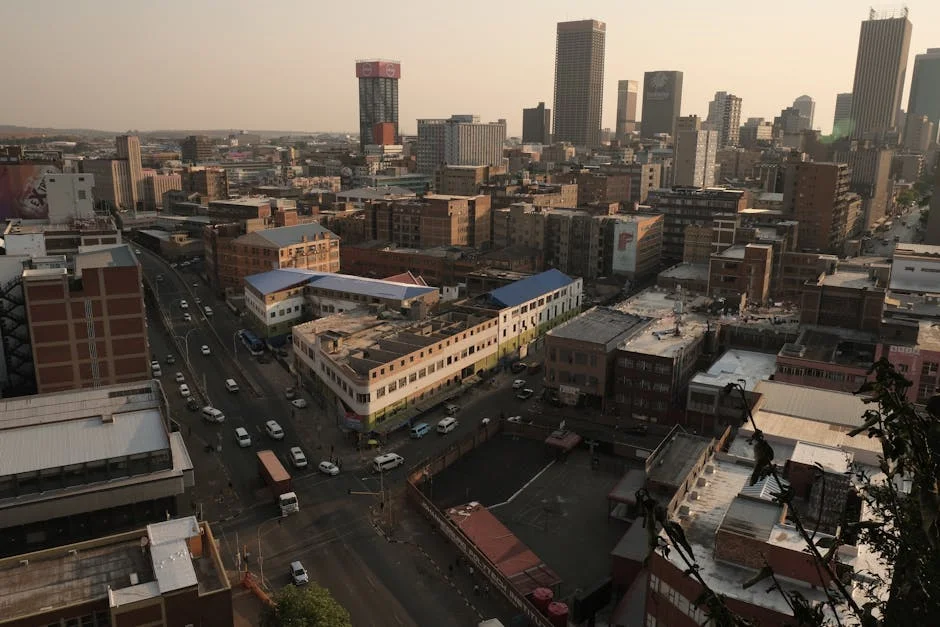
Residents in the Western Cape and Eastern Cape are particularly vulnerable to the initial impact. These regions often experience sudden shifts, but the scale of this particular system is unusual for the time of year. Snow is expected to blanket the Drakensberg and parts of the Highveld, turning roads into slippery hazards. The combination of wind and rain in coastal areas will exacerbate the cold, creating uncomfortable conditions for outdoor workers and commuters alike.
Impact on Daily Commutes and Local Transport
Transport networks across the country are preparing for a chaotic start to the week. Roads in the Free State and North West provinces are likely to see the most significant disruptions due to early morning frost. Drivers in Pretoria and Johannesburg must expect longer travel times as traffic slows to accommodate icy patches on major highways. Public transport operators are already adjusting schedules to account for potential delays.
Commuters relying on the Gautrain and metro buses will face unique challenges. While rail systems are somewhat insulated from surface conditions, access roads to stations may become slick and difficult to navigate. Bus drivers are being advised to check tire pressure and ensure that heating systems are functioning correctly. For the thousands of daily commuters, this weather event translates directly into lost time and increased fuel consumption.
Schools in affected areas have begun to evaluate whether to call for half-days or full closures. Parents in areas like Rustenburg and Potcheftroom are already checking for announcements from local education departments. The uncertainty adds stress to households, especially for those who rely on school feeding schemes or after-school care. Decisions on school closures will likely be made in the early hours of Thursday, giving families little time to react.
Energy Demand Surges as Eskom Faces Pressure
The most critical consequence of this cold snap is the strain it places on the national grid. Eskom, the state-owned power utility, warns that electricity demand will spike as households turn on heaters and stoves. This surge in consumption comes at a time when the grid is already balancing variable renewable energy inputs and occasional maintenance outages. Residents should prepare for potential load shedding or even unexpected blackouts in high-consumption zones.
Managing Household Energy Consumption
Households need to adopt strategic energy-saving measures to cope with the increased demand. Turning on electric heaters only in occupied rooms can significantly reduce the load on the local substation. Using blankets and closing off unused rooms are simple yet effective ways to conserve power. Families should also consider using gas stoves for heating, which can provide instant warmth without drawing heavily on the electrical grid.
Eskom has advised consumers to monitor their usage closely, especially during peak evening hours. The utility is working to stabilize the grid, but the sheer volume of simultaneous heater usage poses a genuine risk. If load shedding schedules are announced, residents should plan accordingly to ensure that essential appliances, such as fridges and medical devices, remain powered. Community centers may also open as warming stations for those without reliable power.
Economic Ripples Through Local Markets
The economic impact of this weather system extends beyond immediate comfort levels. Small businesses, particularly those in the retail and hospitality sectors, may see fluctuations in customer footfall. Cafes and restaurants are likely to experience a surge in patrons seeking warmth, while outdoor markets might suffer from reduced visibility and comfort levels. This shift in consumer behavior can affect daily revenue for small entrepreneurs.
Agricultural communities are also feeling the pressure. Farmers in the Western Cape’s wine-producing regions are monitoring their vineyards for frost damage. Protecting crops from sudden temperature drops requires active intervention, such as using wind machines or sprinklers. These measures add to operational costs, which may eventually be reflected in the price of local produce and wine. The agricultural sector’s response to this weather event will be a key indicator of its resilience.
Supply chains could face minor disruptions as delivery drivers navigate icy roads. Supermarkets are increasing stock on essential winter goods, including blankets, hot beverages, and heating fuel. Shoppers may find that prices for these items rise slightly due to increased demand. Planning ahead and stocking up on essentials before the worst of the cold arrives can help households manage these economic pressures.
Health Risks for Vulnerable Communities
Health officials are urging citizens to take precautions against cold-related illnesses. Respiratory issues, such as bronchitis and pneumonia, tend to spike during cold snaps, particularly among the elderly and young children. Hospitals in major cities like Cape Town and Durban are preparing for an influx of patients with cold-induced ailments. Community health clinics are also ramping up their outreach efforts to ensure that vulnerable populations have access to basic medical care.
The homeless population faces an immediate and severe threat from the bitter cold. Charities and local municipalities are organizing warming centers and distributing blankets to those sleeping on the streets. In Johannesburg, NGOs are working to identify the most exposed individuals and provide them with temporary shelter. This social response highlights the human cost of extreme weather events and the need for coordinated community action.
Residents are advised to dress in layers and stay hydrated, even when the air feels dry. Indoor air quality should also be monitored, as people tend to keep windows closed during cold spells. Using ventilation systems or opening windows briefly can help reduce the buildup of carbon monoxide from heating sources. Awareness of these health risks is crucial for minimizing the overall impact of the weather event.
Community Response and Local Preparedness
Local communities are mobilizing to support one another in the face of the cold front. Neighborhood associations are sharing information about road conditions and power outages through social media groups. This grassroots communication network helps residents make informed decisions about their daily routines. In rural areas, community leaders are organizing checks on elderly residents to ensure they have adequate heating and food supplies.
Businesses are also stepping up their efforts to assist local employees. Some companies are offering flexible working hours to allow staff to navigate difficult commuting conditions. Others are providing hot beverages and warm workspaces to boost morale and productivity. These corporate responses demonstrate a growing awareness of how environmental factors directly influence employee well-being and performance.
Volunteer groups are playing a vital role in distributing resources to those in need. From handing out hot meals to checking on pets left in cars, these volunteers are filling gaps in formal support systems. The spirit of community cohesion is evident as neighbors look out for one another. This collective effort not only mitigates the immediate effects of the cold but also strengthens social bonds within the region.
What to Watch in the Coming Days
The weather system is expected to linger through the weekend, with gradual improvement predicted by early next week. Residents should continue to monitor local weather updates, as conditions can change rapidly. The South African Weather Service will provide hourly updates, which are crucial for planning daily activities. Keeping an eye on these forecasts will help citizens adapt to the shifting conditions effectively.
Government officials are also reviewing the response to this event to identify areas for improvement. This includes assessing the performance of the power grid and the effectiveness of communication channels. Lessons learned from this cold snap will inform future preparedness strategies for similar weather events. Citizens should pay attention to post-event reports to understand how local infrastructure held up.
As the cold front moves eastward, coastal areas will experience the brunt of the wind and rain. Residents in KwaZulu-Natal and the Eastern Cape should prepare for potential flooding and strong gusts. The transition from dry cold to wet cold presents different challenges, requiring adjustments in clothing and transportation. Staying informed and adaptable will be key to navigating the remainder of this weather system.
See Also
- APC youths urge Tinubu to appoint competent Youths Minister, give 12 names
- Civil Defence Inaugurates 60 Special Female Squad in Kano