The Federal Government has officially commenced the reconstruction of the Carter Bridge, a critical infrastructure project designed to ease the perennial traffic gridlock in Lagos State. This initiative sets a thirty-six-month timeline for completion, marking one of the most ambitious engineering undertakings in the city’s recent history. The move directly impacts millions of daily commuters who rely on the bridge to navigate between the island and mainland sections of the commercial nerve centre of Nigeria.
A Critical Link for Lagos Mobility
Lagos State is the economic engine of Nigeria, yet its transportation infrastructure often struggles to keep pace with the population boom. The Carter Bridge, located near the Third Mainland Bridge, serves as a vital artery for vehicles moving between Lagos Island, Victoria Island, and the mainland. For years, commuters have endured hours of stagnation during peak hours, often losing valuable time and fuel in the process. The decision to rebuild rather than merely repair signals a recognition that the existing structure has reached the limits of its capacity and structural integrity.
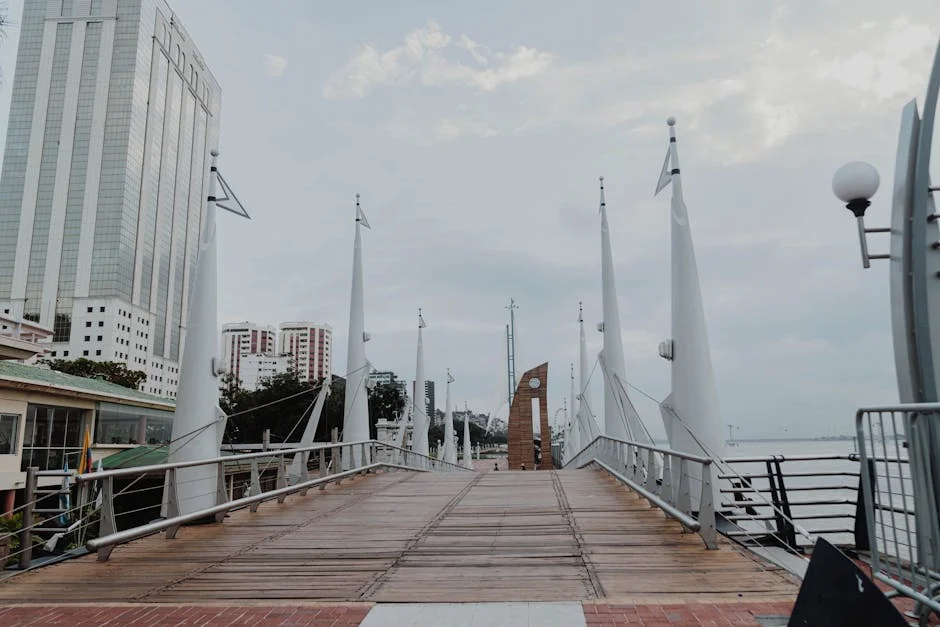
The project aims to modernize the bridge with wider lanes, improved lighting, and potentially dedicated lanes for different vehicle types. Such improvements are not just about aesthetics; they are essential for boosting productivity. When a trader from Ikeja can reach a customer in Victoria Island in thirty minutes instead of two hours, the entire supply chain becomes more efficient. This efficiency translates directly into economic gains for local businesses and the broader Lagos economy.
However, the construction phase promises to be a period of significant disruption. The Federal Government has acknowledged that traffic patterns will shift dramatically over the next three years. Residents in areas such as Ebute Metta, Ikoyi, and Apapa will likely experience increased congestion as traffic is diverted to alternative routes. The success of the project will depend heavily on how well authorities manage these transitional periods and communicate changes to the public.
Financial Implications and Funding Sources
Funding major infrastructure projects in Nigeria often involves a complex mix of federal allocations, state contributions, and sometimes private sector investments. The Carter Bridge rebuild is no exception. The Federal Government has taken the lead, but the financial burden is shared with the Lagos State Government. This partnership is crucial for ensuring that the project does not stall due to cash flow issues, a common problem in Nigerian infrastructure development.
The estimated cost of the project is substantial, reflecting the complexity of building in a densely populated urban environment. While exact figures may vary depending on inflation and material costs, the investment is considered a strategic bet on Lagos’s future. The Federal Government views this as a way to unlock the economic potential of the Lagos Metropolitan Area. By improving connectivity, the government hopes to attract more foreign direct investment and encourage local businesses to expand.
Transparency in spending will be a key concern for citizens and stakeholders alike. Past infrastructure projects have faced criticism for cost overruns and delays. To mitigate these risks, the project managers have promised rigorous oversight mechanisms. This includes regular audits and public updates on progress. Such measures are designed to build trust and ensure that the money spent delivers tangible benefits to the people of Lagos.
Impact on Local Businesses
The construction zone will inevitably affect local businesses operating near the bridge. Shops, restaurants, and service stations in the vicinity may see fluctuations in customer traffic. Some businesses might thrive due to the influx of construction workers and diverted traffic, while others might struggle with accessibility issues. The Lagos State Government has introduced support measures, such as temporary tax relief and improved access roads, to help these businesses weather the storm.
For larger enterprises, the rebuild offers an opportunity to optimize their logistics. Companies are already beginning to adjust their delivery schedules and routes to account for the anticipated congestion. This proactive approach demonstrates the adaptability of the Lagos business community. It also highlights the importance of clear communication from project authorities to allow businesses to plan effectively.
The Thirty-Six Month Timeline
A thirty-six-month timeline is ambitious for a project of this scale. The construction process involves several phases, including demolition of the old structure, foundation laying, superstructure erection, and finishing works. Each phase must be executed with precision to avoid delays. The Federal Government has hired experienced engineering firms to manage the project, leveraging their expertise to keep the timeline on track.
The first year of construction will likely be the most disruptive, as the old bridge is dismantled and the new foundation is laid. During this period, traffic will be heavily diverted to the Third Mainland Bridge and the Eko Atlantic Road. Authorities are preparing these alternative routes to handle the increased load, but some congestion is inevitable. Commuters are advised to plan their journeys carefully and consider alternative modes of transport, such as the Lagos Blue Line or water transport.
As the project progresses into the second and third years, the disruption should gradually decrease. The new structure will take shape, and traffic will begin to flow more smoothly. The final year will focus on finishing touches, including road surfacing, signage, and landscaping. The goal is to deliver a bridge that is not only functional but also a landmark that enhances the aesthetic appeal of Lagos.
Community Response and Public Sentiment
The announcement of the Carter Bridge rebuild has elicited mixed reactions from the public. Many commuters are optimistic about the long-term benefits, seeing it as a necessary step towards modernizing Lagos. They appreciate the government’s effort to address a long-standing infrastructure challenge. However, there is also a sense of anxiety about the immediate impact on daily life. The prospect of three years of construction means three years of potential delays and inconveniences.
Community leaders in areas affected by the construction have called for better engagement from the project authorities. They want regular town hall meetings to update residents on progress and address their concerns. This two-way communication is essential for maintaining public support and minimizing friction. The Federal Government has responded by setting up a dedicated liaison office to handle community feedback and complaints.
Public sentiment will likely evolve as the project unfolds. If the construction is well-managed and milestones are met, confidence in the project will grow. Conversely, if delays and mishaps occur, frustration may mount. The key is to deliver on promises and keep the public informed. Transparency and accountability will be the bedrock of public trust throughout the thirty-six-month journey.
Strategic Importance for Nigeria’s Economy
The Carter Bridge is more than just a road; it is a strategic asset for Nigeria’s economy. Lagos contributes a significant portion of the country’s GDP, and its efficiency directly impacts national economic performance. By improving the bridge, the Federal Government is investing in the productivity of one of Africa’s largest cities. This investment has ripple effects across various sectors, including logistics, real estate, and retail.
Improved infrastructure also enhances the competitiveness of Nigerian businesses. When goods can move quickly and reliably, companies can reduce their operational costs and offer better prices to consumers. This competitiveness is crucial in attracting foreign investors who are looking for efficient markets to enter. The Carter Bridge rebuild is a signal to the world that Nigeria is serious about modernizing its infrastructure.
Furthermore, the project contributes to the broader goal of urban development in Lagos. As the city grows, it needs robust infrastructure to support its expanding population. The bridge is part of a larger network of improvements that include roads, railways, and water transport systems. These integrated efforts aim to create a more livable and sustainable city for all residents.
What to Watch Next
As the Carter Bridge rebuild enters its initial phase, citizens and stakeholders should monitor the project’s progress closely. The Federal Government has promised regular updates, which will be crucial for gauging the effectiveness of the management team. Watch for the completion of the foundation laying, which is a critical milestone in the first year. This will indicate whether the project is on track to meet its thirty-six-month timeline.
Additionally, keep an eye on how traffic management strategies are implemented. The success of the project depends not just on the bridge itself but also on how well the surrounding road network handles the diverted traffic. Authorities may introduce new traffic lights, expand existing roads, or even launch new bus routes to alleviate congestion. These ancillary improvements will be just as important as the bridge itself in determining the overall impact on commuters.
Finally, observe the financial transparency of the project. Regular audits and public reports on spending will help ensure that the investment yields the expected returns. If the Federal Government maintains high levels of accountability, it will set a positive precedent for future infrastructure projects in Nigeria. The Carter Bridge rebuild is a test case for how well the country can execute large-scale development initiatives.
See Also
- Jaishankar Engages with Araghchi Amid Middle East Tensions — What It Means for Africa
- Bandits Kill Ex-CBN Director, Others In Kaduna, Abduct Over 50
Lagos contributes a significant portion of the country’s GDP, and its efficiency directly impacts national economic performance. These ancillary improvements will be just as important as the bridge itself in determining the overall impact on commuters.