Narendra Modi’s Bharatiya Janata Party (BJP) has secured a decisive victory in West Bengal, ending decades of dominance by the Trinamool Congress (TMC). This political upheaval in Kolkata and surrounding districts signals a major shift in India’s economic and social landscape. The outcome directly impacts millions of residents who have long relied on state-led welfare schemes and localized industrial policies.
Political Upheaval in Kolkata
The BJP’s win in West Bengal marks a historic break from the region’s traditional voting patterns. For over forty years, the TMC, led by Mamata Banerjee, maintained tight control over state affairs. Voters in cities like Kolkata, Howrah, and Durgapur have now turned to New Delhi’s central leadership. This change reflects a growing desire for economic stability and infrastructure development across the eastern state.
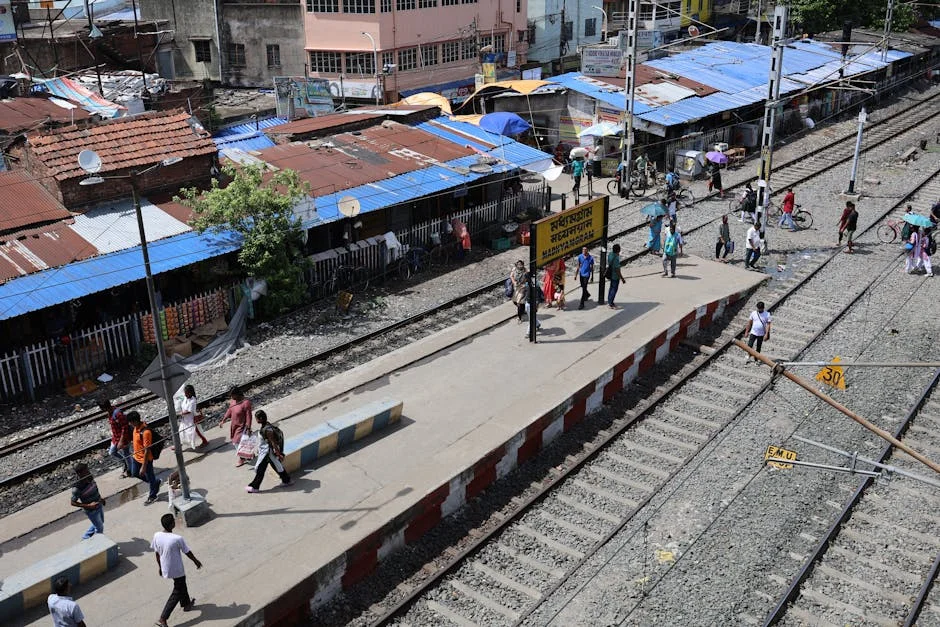
Local communities are already feeling the weight of this transition. Many small business owners in Kolkata’s commercial hubs report a surge in optimism regarding federal funding. However, uncertainty lingers among those who fear the erosion of state-specific subsidies. The political realignment forces citizens to adapt to new administrative priorities that may differ sharply from the previous administration’s approach.
Economic Implications for Local Communities
West Bengal contributes significantly to India’s manufacturing and agricultural output. The state produces a large share of the country’s jute, tea, and leather goods. With the BJP now in charge, there is an expectation that federal investment will flow more freely into these sectors. This could lead to job creation and wage growth for millions of workers in rural and urban areas.
Infrastructure and Investment
New Delhi has promised to accelerate infrastructure projects that were previously stalled by political gridlock. Major highways, ports, and industrial corridors are expected to receive increased attention. For residents in regions like North 24 Parganas, this means improved connectivity to national markets. Such developments can lower transportation costs and boost local trade, directly benefiting smallholder farmers and traders.
However, the transition may also bring short-term disruptions. Changes in procurement policies and land acquisition rules could affect local contractors and laborers. Some community leaders in Siliguri have expressed concerns about the pace of implementation. They worry that federal standards might not align perfectly with local needs, potentially slowing down immediate economic gains.
Social Impact and Welfare Changes
Welfare programs have been a cornerstone of political support in West Bengal. The TMC’s distribution of cash transfers and food rations helped secure loyalty among lower-income households. The BJP has pledged to continue and expand these benefits, but the mechanism of delivery may change. This shift raises questions about how effectively aid will reach the most vulnerable populations.
Education and healthcare are also critical areas of concern. Many families rely on state-run schools and community health centers for basic services. Any restructuring of these institutions could disrupt daily life for students and patients. Local teachers’ unions in Kolkata have already begun negotiating to protect their jobs and working conditions under the new regime.
Community response has been mixed. Some residents welcome the promise of greater transparency and digital governance. Others fear that centralized control might dilute local autonomy. This tension is evident in town hall meetings across the state, where citizens debate the trade-offs between efficiency and inclusivity. The social fabric of West Bengal is undergoing a subtle but profound transformation.
Regional Dynamics and National Significance
The BJP’s victory in West Bengal strengthens Narendra Modi’s position on the national stage. It demonstrates the party’s ability to penetrate strong regional strongholds. This success could influence political strategies in other states, such as Maharashtra and Karnataka. For India as a whole, it suggests a more unified policy direction under the central government.
For international observers and trade partners, this shift has implications for regional stability. West Bengal serves as a gateway to South Asia, particularly Bangladesh and Nepal. Enhanced infrastructure and political continuity can facilitate cross-border trade and investment. Countries like Nigeria, which look to India as a model for emerging market growth, may find new opportunities for collaboration in energy and technology sectors.
The economic integration of West Bengal into the national framework could also attract foreign direct investment. Multinational companies often seek stable political environments with clear regulatory frameworks. The BJP’s emphasis on ease of doing business may make the state more attractive to global investors. This could lead to the establishment of new factories and service centers, creating jobs for local residents.
What to Watch Next
The coming months will be critical in determining the success of the BJP’s governance in West Bengal. Voters will closely monitor the implementation of promised infrastructure projects and welfare reforms. The state assembly is scheduled to convene in early 2025, where key budget allocations will be debated. These decisions will directly affect the daily lives of millions of citizens.
Residents should also pay attention to changes in local administration and public service delivery. The appointment of new district collectors and municipal leaders will shape how policies are executed on the ground. Community groups and civil society organizations will play a vital role in holding the government accountable. As the political landscape continues to evolve, staying informed will be essential for navigating the changes ahead.
See Also
- Microsoft Bets on Edge Data Centres Across Africa — And Nigeria Stands to Gain
- South Africa Warns Fans: World Cup Betting Scams Are Surging — Here's How to Protect Yourself
Regional Dynamics and National Significance The BJP’s victory in West Bengal strengthens Narendra Modi’s position on the national stage. For India as a whole, it suggests a more unified policy direction under the central government.
What is the latest news about modis bjp conquers bengal what this means for indias economy?
Why does this matter for education?
What are the key facts about modis bjp conquers bengal what this means for indias economy?