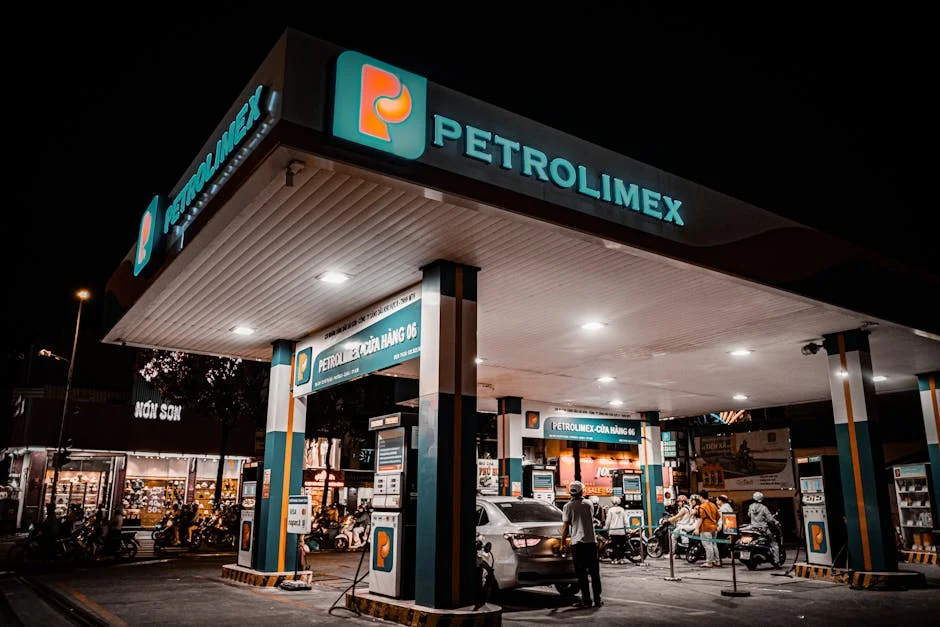
As fuel prices in the Açores rise by over 20 cents per litre in May, many Nigerians are concerned about potential ripple effects on local fuel markets. This increase comes despite the region maintaining a discount on the tax known as Imposto sobre Produtos Petrolíferos (ISP). The Açores, a region of Portugal, is known for its significant role in oil distribution, and changes there often have broader implications.
Impact of Fuel Price Increase in Açores
The recent hike in fuel prices in the Açores is expected to influence global oil prices, which may, in turn, affect Nigerian fuel costs. Nigeria, as a key player in the oil market, often experiences price fluctuations linked to international changes. This increase in the Açores could mean higher fuel prices for Nigerian consumers if global trends follow suit.

Nigerian economist *Dr. Chijioke Okeke* points out that even a slight increase in international fuel prices can significantly impact Nigeria's economy. "Given our dependency on oil imports, such changes could lead to higher transportation and production costs," he explains.
The Role of Imposto and Its Global Influence
The Imposto sobre Produtos Petrolíferos (ISP) is a tax applied to petroleum products in Portugal, including in the Açores. This tax plays a crucial role in determining fuel prices. While the Açores has maintained a discount on this tax, the underlying increase in fuel prices suggests a tightening of global supply or an increase in demand.
The ISP's influence is not confined to Portugal. Changes in this tax can serve as a bellwether for other regions that import and export oil. For Nigeria, monitoring these changes is essential, especially as the country looks to balance its budget and manage inflation.
Economic Ramifications for Nigeria
If the ISP's adjustments in the Açores lead to increased global oil prices, Nigeria's economy could face challenges. Higher fuel prices typically lead to increased costs for goods and services, affecting everything from food prices to transportation costs within the country.
Community Response and Preparations
In Nigeria, communities are already preparing for potential increases. Many local businesses are considering cost-cutting measures to cope with potential rises in transportation and production expenses. Additionally, citizens are becoming more vigilant about fuel consumption, anticipating changes in their daily expenditures.
Community leaders are urging the government to take preemptive measures. "We need policies that can cushion the effects of international oil price changes," says *Ngozi Aduke*, a community organiser in Lagos. These measures might include subsidies or alternative energy incentives to mitigate the impact.
Looking Forward: What Nigerians Should Watch
Nigerians should closely monitor international oil market trends in the coming months. Key events that could influence these trends include OPEC meetings, global economic reports, and geopolitical developments that impact oil supply chains.
As May progresses, Nigerian policymakers are expected to address potential economic impacts. Citizens should keep an eye on government announcements regarding fuel subsidies and other economic relief measures that could alleviate the burden of rising fuel costs.
See Also
- Art Professors in Lisbon and Porto Demand Better Funding Amid Education Crisis
- Vodafone Business Reveals Need for Strong Leadership in Smart Cities Initiative: What It Means for Africa