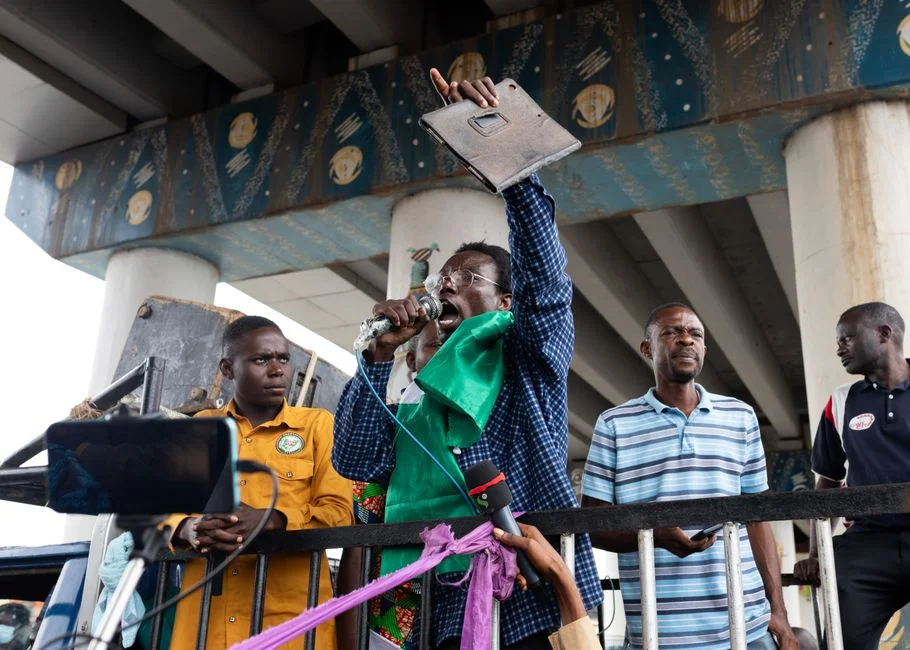
The Nigerian government has introduced a pivotal change to the Tribunal de Contas' procedures, as the requirement for prior approval is now waived during times of calamity. This reform, announced in Abuja on 12th October 2023, aims to expedite the response during emergencies by eliminating bureaucratic delays.
Why the Tribunal's Decision Matters
The Tribunal de Contas, Nigeria's audit court, plays a crucial role in overseeing government expenditures. By removing the need for a prior approval, the government hopes to enhance efficiency during natural disasters or other emergencies. This change is particularly relevant for regions prone to flooding and other natural calamities, such as Lagos and Rivers State.

In past emergencies, the necessity for pre-approval often delayed the release of funds critical for timely intervention. The new law, therefore, is expected to allow for faster mobilisation of resources, potentially saving lives and reducing the economic impact of such events.
Impact on Local Communities
For local communities, particularly in areas like Delta State, this reform could signify a faster and more effective crisis response. Citizens have frequently expressed frustration with the slow pace of government intervention during past emergencies, which often led to prolonged suffering and economic losses.
By speeding up the allocation of funds and resources, the government aims to provide immediate relief and support, reducing the disruption to daily life. Additionally, this could bolster local economies by minimising the damage to infrastructure and livelihoods.
Challenges and Concerns
Despite its potential benefits, the reform does not come without challenges. Some critics argue that bypassing the Tribunal's oversight could lead to misuse of funds. The government has assured the public that strict post-event audits will be conducted to ensure accountability and transparency.
Ensuring Accountability
Organisations like the Centre for Democracy and Development have emphasised the need for robust monitoring mechanisms. They suggest that transparency in post-disaster spending is essential to maintain public trust and prevent corruption.
Next Steps and What to Watch
As this reform is implemented, citizens and communities will need to stay informed about how effectively it is applied during crises. The government is expected to release further guidelines on the accountability measures that will accompany this change. Observers will be watching closely to assess the impact on future emergency responses and the integrity of fund usage.
See Also
- Kaizer Chiefs Targets Bold Rebuild with Sekhukhune's Bright Ndlovu
- Meloni Sparks Debate Over Modern Politics — Nigeria Watches Closely