Taiwan President Lai Ching-wei has postponed a planned trip to Eswatini after claims that China exerted pressure on the African nation to prevent the visit. The move highlights the growing diplomatic tensions between Beijing and Taipei, with Eswatini, a small Southern African kingdom, caught in the crossfire. The visit, initially scheduled for late September, was expected to strengthen bilateral ties and showcase Taiwan’s influence in the region.
China's Diplomatic Pressure on Eswatini
China has long maintained that Eswatini, which has diplomatic ties with Taiwan, should switch its recognition to Beijing. The African nation, located in Southern Africa, has been a key ally of Taiwan, with relations dating back to the 1970s. However, recent reports suggest that Beijing has increased its diplomatic and economic pressure on Eswatini to sever ties with Taiwan. A statement from the Eswatini government, released on September 12, cited “external pressures” as the reason for the delay.
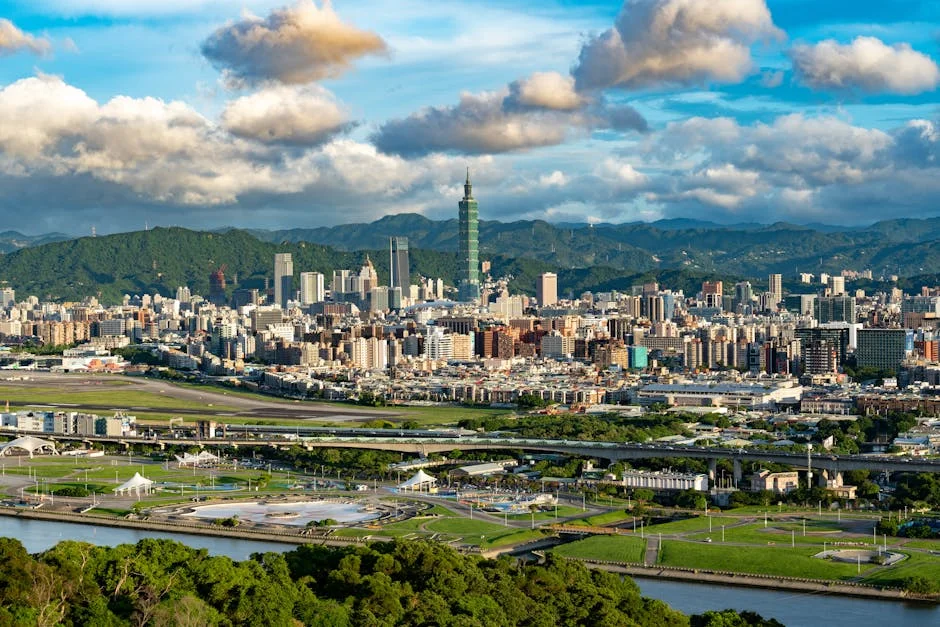
The decision has raised concerns among Taiwanese citizens, who view Eswatini as a crucial partner in maintaining Taiwan’s international presence. “This is a direct attack on our diplomatic space,” said Chen Wei-cheng, a political analyst based in Taipei. “China is using its economic leverage to isolate Taiwan, and Eswatini is a key target.”
Impact on Local Communities and Trade
The diplomatic fallout could have a ripple effect on local communities in both Taiwan and Eswatini. Eswatini, one of the poorest nations in the world, has relied on trade and investment from Taiwan, particularly in agriculture and infrastructure. A shift in relations could lead to reduced aid and trade opportunities, affecting small farmers and businesses that depend on cross-border cooperation.
Trade officials in Eswatini’s capital, Mbabane, have expressed concern over the potential economic consequences. “We’ve been working closely with Taiwan on development projects,” said Mthuli Nkosi, a trade ministry representative. “If this relationship is disrupted, it could hurt our most vulnerable communities.”
The situation also raises questions about the role of regional powers in shaping Africa’s diplomatic landscape. China has increasingly used its economic influence to expand its footprint in the continent, often at the expense of smaller nations like Eswatini.
Regional Reactions and Concerns
Neighboring African nations have taken different stances on the issue. South Africa, a major regional power, has maintained a neutral position, while Kenya and Zambia have expressed support for Eswatini’s right to choose its diplomatic partners. However, many African leaders remain wary of China’s growing influence, fearing it could undermine their sovereignty.
Regional analysts point to the broader implications of the situation. “This isn’t just about Eswatini,” said Dr. Naledi Mokoena, a political scientist from Johannesburg. “It’s a test of how African nations will navigate the shifting global power dynamics between China and Taiwan.”
Community Response and Protests
Protests have erupted in Taipei, with citizens demanding that the government take a stronger stance against China’s interference. “We won’t let China dictate our foreign policy,” said a protester at a rally outside the presidential office. “Eswatini is our friend, and we will support them.”
In Eswatini, community leaders have called for greater transparency. “We need to know what’s really happening behind the scenes,” said Sibusiso Dlamini, a local activist. “Our future depends on it.”
What Comes Next?
Analysts predict that the situation will remain tense in the coming months. Eswatini is expected to make a final decision on its diplomatic ties with Taiwan by the end of the year. Meanwhile, Taiwan is likely to seek alternative partners in Africa to counterbalance China’s influence.
The outcome of this diplomatic standoff will have lasting implications for both the region and the global balance of power. As the international community watches closely, the next few months will determine whether Eswatini can maintain its autonomy in the face of growing pressure.
See Also
- FG Cancels Foreign Trainings For Nigerian Scholars – Minister
- Japa: Tinubu Approves Policy To Retain Medical Experts Within Nigeria
Regional Reactions and Concerns Neighboring African nations have taken different stances on the issue. South Africa, a major regional power, has maintained a neutral position, while Kenya and Zambia have expressed support for Eswatini’s right to choose its diplomatic partners.