Aston Villa has announced plans to expand its stadium ahead of the 2028 European Football Championship, a move that will significantly impact the city of Birmingham and its surrounding communities. The club, based in the West Midlands, will increase the capacity of Villa Park to accommodate the expected influx of fans and media during the tournament. The expansion, set to be completed by 2027, includes new seating areas, improved facilities, and enhanced access routes to the stadium. This development follows the confirmation that Birmingham will host several matches during Euro2028, marking a major boost for the region.
Stadium Expansion Details and Local Impact
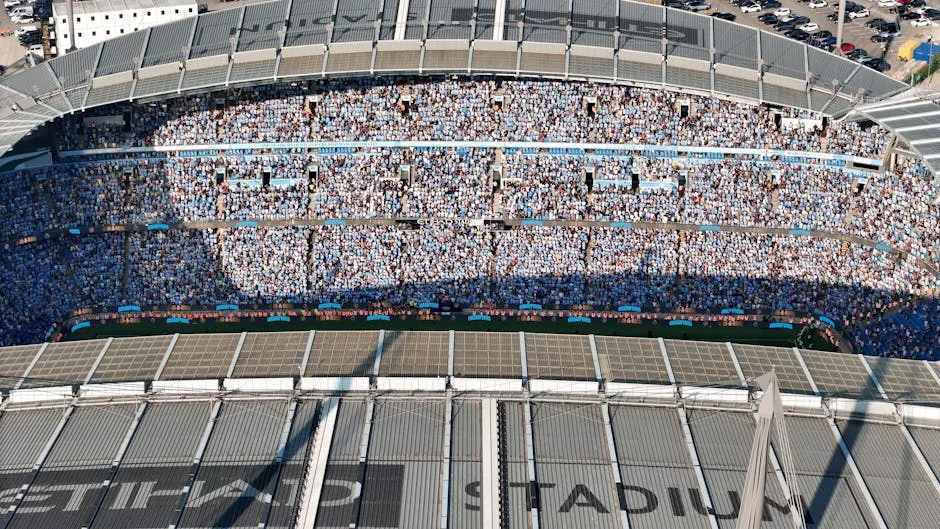
The expansion project, led by Aston Villa’s chairman, Nassef Sawiris, will add 5,000 new seats to Villa Park, bringing the total capacity to over 47,000. The club has also committed to upgrading the surrounding infrastructure, including roads and public transport links, to manage the expected increase in visitors. Local businesses in the area, particularly those in the hospitality and retail sectors, anticipate a surge in demand. "This is a huge opportunity for our community," said Sarah Thompson, a local café owner in Birmingham. "We’re already seeing more interest from customers who are planning to visit for the matches."
However, the project has raised concerns among some residents about the disruption caused by construction. The city council has acknowledged these issues and has pledged to work closely with the club to mitigate the impact on daily life. "We understand the importance of balancing development with the needs of our residents," said Birmingham City Council’s transport spokesperson, James Carter. "We are ensuring that the work is carried out efficiently and with minimal inconvenience."
Boost for Local Economy and Tourism
The Euro2028 hosting rights are expected to bring a significant economic boost to Birmingham. According to a report by the West Midlands Chamber of Commerce, the tournament could generate up to £250 million for the region. This includes revenue from ticket sales, tourism, and increased spending by visitors. The city has already begun promoting itself as a must-visit destination, with local attractions and hotels preparing for the influx of international fans.
Local hotels, such as the Novotel Birmingham City Centre, have already started booking rooms for the event. "We’ve seen a 40% increase in inquiries since the hosting announcement," said hotel manager Lucy Morgan. "This is a fantastic opportunity for our business and the wider community." The economic benefits are also expected to extend to small businesses, including food vendors and tour operators, who are preparing to cater to the growing number of visitors.
Community Response and Challenges
While many in the community welcome the investment and potential for growth, some residents remain wary of the long-term effects of the expansion. Concerns have been raised about rising property prices and the potential displacement of long-time residents. "We hope the benefits of this development are shared by everyone in the area," said community leader David Reynolds. "We need to ensure that local people are not left behind in the rush for progress."
The club has responded to these concerns by pledging to invest in local initiatives, including youth football programs and community outreach. "We are committed to giving back to the people of Birmingham," said Aston Villa’s head of community engagement, Emma Lewis. "This is not just about football—it’s about building a stronger, more inclusive city."
Infrastructure and Sustainability Efforts
As part of the expansion, Aston Villa has also announced plans to incorporate sustainable design elements into the stadium. This includes energy-efficient lighting, water recycling systems, and the use of locally sourced materials. The club has partnered with the University of Birmingham to develop a green infrastructure strategy that aligns with the city’s environmental goals.
Additionally, the project will create hundreds of temporary and permanent jobs, providing employment opportunities for local workers. The city council has also launched a training program to equip residents with the skills needed for roles in construction, hospitality, and event management.
What to Watch Next
The expansion of Villa Park is set to be completed by early 2027, with the first Euro2028 matches scheduled for the summer of 2028. The success of the project will depend on the smooth execution of the construction phase and the ability of the city to manage the increased demand for services and infrastructure. Local authorities and the club will continue to monitor the impact on residents and businesses, with regular updates expected in the coming months.
See Also
- Massob Urges International Communities to Spare Fleeing Members
- Top 10 Landlocked Countries and Why Their Economies Matter to Nigeria