Eighty-nine-year-old Margaret van der Merwe is locked in a legal battle to reclaim her R2 million home in the Western Cape, after it was sold by her stepdaughter without her knowledge. The case has sparked outrage in the region, highlighting the vulnerability of elderly citizens and the need for stronger legal protections.
Home Sold Without Consent
Van der Merwe, a retired teacher from Stellenbosch, discovered the sale after receiving a notice from the local municipality. The home, valued at R2 million, was transferred to her stepdaughter, who claimed she had authority to act on her behalf. The transaction, completed in 2022, was never disclosed to the elderly woman, who has limited mobility and relies on family support.
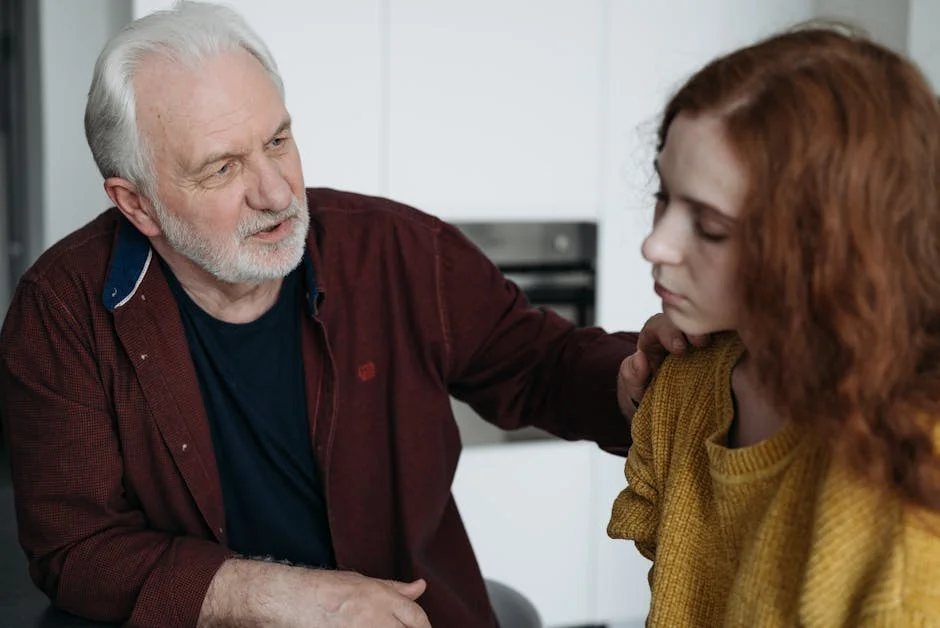
“I didn’t sign anything, and I didn’t know this was happening,” van der Merwe said in a recent interview. “I feel betrayed by someone I trusted.” The case has drawn attention from legal experts, who say it reflects a growing issue of exploitation against the elderly in South Africa.
Legal Challenges and Community Response
Van der Merwe’s lawyer, Thandiwe Mokoena, has filed a petition with the Western Cape High Court, arguing that the sale was conducted without her consent and that her stepdaughter acted in bad faith. “This is not just a personal matter,” Mokoena said. “It’s a warning to the community about how vulnerable elderly people can be when family dynamics break down.”
Local community leaders in Stellenbosch have rallied behind van der Merwe, calling for better legal safeguards for the elderly. “We need more awareness and support systems,” said Sipho Nkosi, a volunteer with the Stellenbosch Elderly Care Initiative. “This isn’t just about one case—it’s about many people who are being taken advantage of.”
Impact on the Western Cape
The case has raised broader concerns about how elderly citizens are treated in the Western Cape, where a growing aging population faces increasing risks of financial and emotional exploitation. According to the South African Statistics Agency, the number of people over 60 in the region has risen by 15% in the past decade, yet legal protections for them remain limited.
“This is a wake-up call for the government and local authorities,” said Dr. Linda Botha, a sociologist at the University of Stellenbosch. “We need better legal frameworks and more community-based support to protect the elderly from being taken advantage of.”
Financial and Emotional Toll
The sale has left van der Merwe in a precarious financial situation. She now lives in a small rented flat, relying on social grants and the kindness of neighbors. “I used to have a home I could call my own,” she said. “Now I feel like I’ve lost everything.”
The emotional impact is also significant. Van der Merwe’s children have been divided, with some supporting her and others siding with her stepdaughter. “It’s heartbreaking to see family fall apart like this,” said one neighbor, who requested anonymity.
What Comes Next?
The court case is expected to take at least six months to resolve, with a hearing scheduled for early 2025. In the meantime, van der Merwe is seeking support from local charities and legal aid organizations. “I just want my home back,” she said. “It’s not about the money—it’s about dignity.”
Community groups are also pushing for legislative changes to better protect the elderly. “We need laws that make it harder for family members to exploit their relatives,” said Nkosi. “This isn’t just about one woman—it’s about many people who are vulnerable.”
As the case unfolds, it serves as a stark reminder of the challenges facing the elderly in the Western Cape and the urgent need for legal and social support systems to protect them from exploitation.
See Also
- Ex-CIA Agent Seeks Trump Pardon Amid Controversy
- Nigerian Twins Could Break Records as First Brothers in Premier and NBA Simultaneously
“Now I feel like I’ve lost everything.” The emotional impact is also significant. “This is a wake-up call for the government and local authorities,” said Dr.