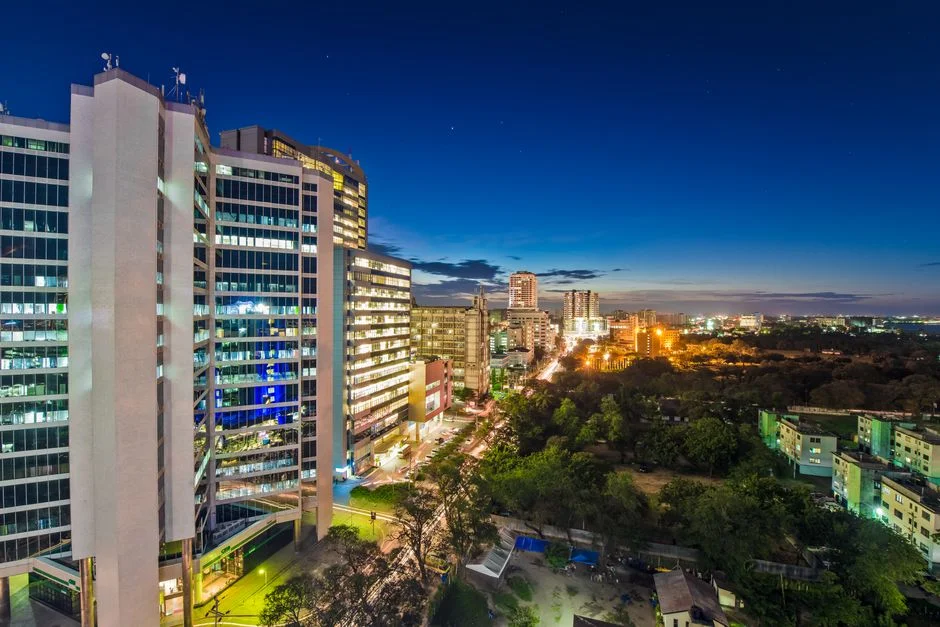
South Africa’s central bank has raised interest rates for the sixth time this year, sending shockwaves through households and businesses across the country. The move, announced on Thursday, increases the benchmark rate to 7.5%, the highest level in over a decade. The decision, led by the South African Reserve Bank (SARB), aims to curb inflation but has already sparked concerns about the rising cost of living for ordinary citizens.
Rate Hike Hits Household Budgets Hard
The rate increase means higher borrowing costs for mortgages, car loans, and credit card debt. For many South Africans, this translates to monthly payments that are now unaffordable. In Johannesburg, where inflation has been particularly high, families are struggling to cover basic needs. "Every month, my salary barely covers groceries," said Thandiwe Mbeki, a single mother of three from Hillbrow. "With the new rates, I don’t know how I’ll manage."
Analysts warn that the rate hike could slow economic growth. The SARB has cited inflation, which reached 6.3% in June, as the main driver of the decision. However, the move has been met with criticism from business leaders who argue it will stifle investment and job creation. "This is a double blow for small businesses," said David Nkosi, CEO of the South African Chamber of Commerce. "Higher interest rates mean less funding, which leads to fewer jobs."
Impact on the Local Economy
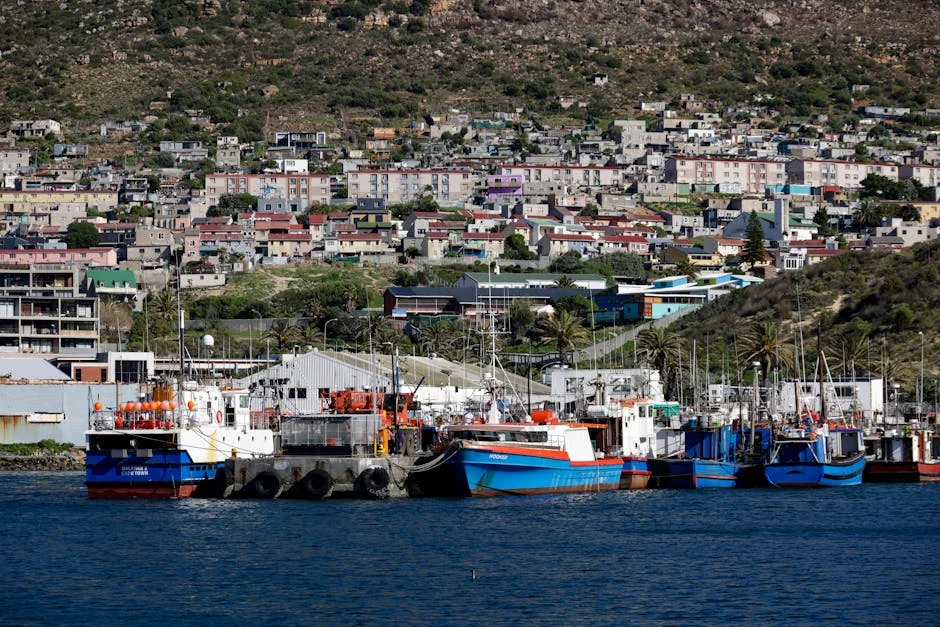
The South African economy, already grappling with a slowdown, is now under further pressure. The country's industrial output has dropped for three consecutive quarters, and unemployment remains at a record high of 32.9%. The rate hike could push more people into poverty, particularly in informal settlements where many rely on informal sector jobs. In Cape Town, local leaders have called for government intervention to support vulnerable communities.
Despite the challenges, the SARB insists the rate increase is necessary to stabilize prices. "We are committed to keeping inflation within our target range of 3% to 6%," said SARB Governor Lesetia Mokwena. "This is a difficult decision, but it is in the long-term interest of the economy."
Regional Ripple Effects
The South African rate hike has also sent ripples through the broader Southern African Development Community (SADC). Neighboring countries like Zimbabwe and Botswana, which rely heavily on trade with South Africa, are now facing uncertainty. In Zimbabwe, where inflation has surged to 96%, the move could further strain an already fragile economy. "South Africa's decisions directly impact our markets," said Tendai Chikwanda, an economist in Harare. "We must prepare for higher import costs and slower growth."
For Nigeria, the situation is particularly concerning. As one of South Africa’s major trade partners, Nigeria is closely watching how the region’s largest economy responds to the crisis. The Central Bank of Nigeria has warned that South Africa’s economic instability could affect regional trade and investment flows. "We are monitoring the situation closely," said CBN Governor Godwin Emefiele. "Any downturn in South Africa could have a knock-on effect on Nigeria’s economy."
Community Response and Calls for Action
Local communities are reacting with a mix of frustration and fear. In Durban, residents have staged protests demanding government support for those affected by the rate hike. "We need more subsidies for essential goods," said Luthando Mthethwa, a community organizer. "This isn’t just about interest rates — it’s about survival."
NGOs and civil society groups are also stepping in to provide relief. The South African NGO Federation has launched a campaign to help low-income families access financial literacy programs. "We need to empower people to make informed decisions about their money," said Noma Dlamini, a program manager with the federation. "This is a crisis that affects everyone, not just the wealthy."
What’s Next for South Africa?
The SARB is expected to continue monitoring inflation and may raise rates again in the coming months. However, the central bank has also hinted at a potential slowdown in future hikes if inflation stabilizes. For now, South Africans are bracing for more financial strain as the country navigates a deepening economic crisis.
The next key moment will come in August, when the SARB is scheduled to release its inflation outlook. If the forecast shows continued price pressures, further rate hikes are likely. For citizens, the message is clear: the cost of living will remain a major challenge for the foreseeable future. As the region watches closely, the question remains — will South Africa find a way to balance economic stability with the needs of its people?
See Also
- Six African Leaders Attend Seguro's Inauguration in Lisbon - What It Means for Development
- Chelsea Starlet Estevao Willian Injured in Manchester United Clash