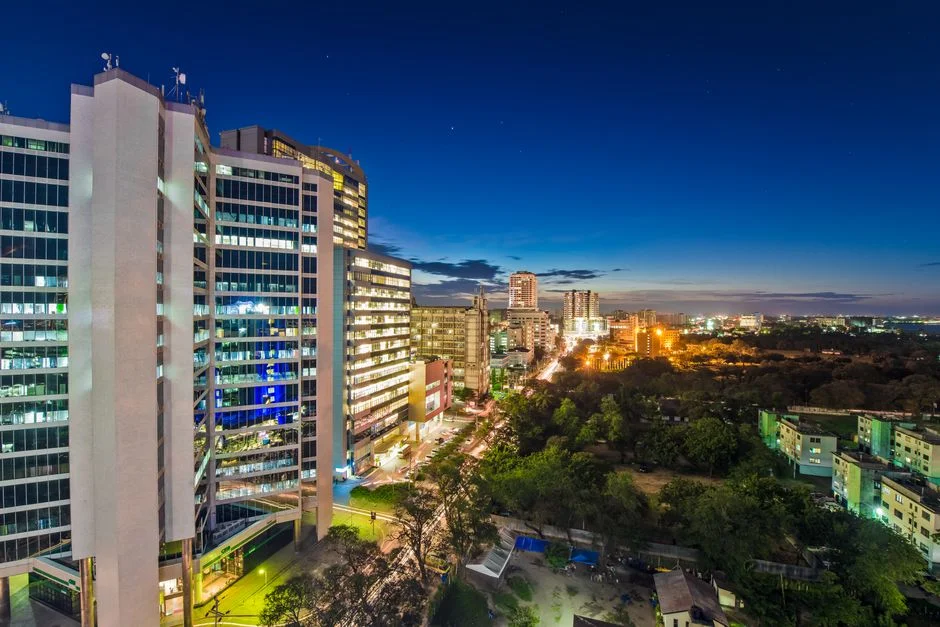
Neste, the Finnish energy company, has abruptly cut fuel supplies to Lagos, Nigeria's largest city, triggering widespread panic among residents and businesses. The decision, announced on Monday, comes amid a broader supply chain disruption affecting the West African region. Lagos, home to over 21 million people, is now experiencing severe fuel shortages, with queues forming at gas stations and prices surging by 30% in just two days. The move has raised concerns about the stability of Nigeria’s energy sector, which has long struggled with infrastructure and regulatory challenges.
Neste’s Decision Sparks Panic in Lagos
The sudden halt in fuel deliveries from Neste has left many Lagosians scrambling to secure gasoline for daily commutes, businesses, and emergency needs. “I’ve been waiting for over an hour just to fill up my car,” said Adebayo Adeyemi, a taxi driver in the Ikeja area. “This is making it impossible to work.” The company, which has supplied refined fuel to Nigeria since 2018, did not provide an official explanation for the cut-off, fueling speculation about its long-term strategy in the region.
Local authorities have been quick to respond, with the Lagos State Ministry of Transport issuing a statement urging citizens to conserve fuel and avoid panic buying. “We are in constant communication with Neste and are working to resolve this issue as quickly as possible,” said Ministry spokesperson, Chidi Okoro. However, with no immediate plans for alternative supply sources, the situation remains uncertain.
Impact on Daily Life and the Local Economy
The fuel crisis is already disrupting daily life in Lagos, where transportation is a lifeline for millions. Public transport operators, including minibus and motorcycle taxi services, have reported a sharp decline in passengers due to rising fuel costs and limited availability. Small businesses, particularly those reliant on delivery services, are also feeling the strain. “We can’t afford to keep our trucks running,” said Funmi Olaniyan, owner of a food distribution company in the Apapa district. “This is going to hurt us all.”
Analysts suggest that the shortage could have a ripple effect on the broader Nigerian economy. “Fuel is the backbone of commerce and mobility,” said Dr. Samuel Adebayo, an economist at the University of Lagos. “A prolonged shortage could lead to inflation, reduced productivity, and increased unemployment.” With fuel prices now averaging N250 per liter, many households are struggling to afford basic necessities, exacerbating existing economic challenges.
Regional Tensions and Supply Chain Concerns
The Neste decision has also raised concerns about the stability of fuel supplies across West Africa. The company has historically been a key supplier to several regional markets, including Ghana and Côte d'Ivoire. “This is not just a Lagos issue,” said Kwame Mensah, a regional energy analyst based in Accra. “If Neste is pulling back, it could signal a larger shift in how energy is managed in the region.”
Regional leaders are now calling for urgent action to stabilize supply chains. The Economic Community of West African States (ECOWAS) has reportedly initiated discussions on alternative fuel sourcing and regulatory reforms. “We need a coordinated response to prevent a deeper crisis,” said ECOWAS Commissioner for Energy, Dr. Fatima Al-Khatib. “This is a wake-up call for the region to invest in sustainable energy solutions.”
Community Responses and Grassroots Efforts
In the absence of official solutions, community groups and local leaders are stepping in to support affected residents. In the Ojota neighborhood, a group of volunteers has started a carpool initiative to reduce fuel usage. “We’re trying to help people get to work without relying on expensive fuel,” said community organizer, Nneka Okoro.
Meanwhile, local NGOs are distributing fuel coupons to low-income families. “We’ve seen a surge in requests for assistance,” said Mabel Iwu, a program officer with the Lagos-based charity, Hope for Tomorrow. “Many families are now facing impossible choices between food and fuel.”
What’s Next for Nigeria’s Energy Sector?
As the crisis unfolds, the Nigerian government is under pressure to act. The Ministry of Petroleum Resources has promised to fast-track negotiations with alternative fuel suppliers, but no concrete steps have been announced yet. “We are exploring all options to restore supply,” said Minister of Petroleum Resources, Dr. Aminu Kano. “This is a complex issue, but we are committed to finding a solution.”
Meanwhile, the situation is expected to escalate in the coming weeks. With fuel prices projected to rise further, the government faces mounting public pressure to implement long-term energy reforms. Citizens are also urging transparency from both Neste and local authorities, demanding clear communication and accountability.
The coming days will be critical in determining whether Nigeria can navigate this crisis without long-term damage to its economy and social fabric. As fuel shortages continue to spread, the focus will remain on how quickly and effectively the country can restore stability to its energy sector. What happens next could set the tone for future energy policy and regional cooperation in West Africa.
See Also
- Bengal Voter Turnout Surges to 89.9% — Implications for Local Communities
- Five Arrested for Counterfeit Cigarettes in Nigeria Crackdown
What is the latest news about neste halts fuel supplies to lagos amid supply crisis?
Why does this matter for economy-business?
What are the key facts about neste halts fuel supplies to lagos amid supply crisis?