Mamata Banerjee, the Chief Minister of West Bengal, has entered the fray in the state’s upcoming elections as the political battle between her Trinamool Congress (TMC) and the Indian People's Action Committee (I-PAC) escalates. The move comes amid growing tensions over electoral strategies and voter mobilisation, with both sides vying for influence in key constituencies. The contest has intensified in Kolkata, where voter turnout in the 2019 assembly elections reached 78.6%, a figure that remains a benchmark for this year’s polls.
Political Tensions in Bengal’s Polls
The I-PAC, led by former TMC leader and MLA Abhijit Ganguly, has been pushing for a more radical approach to challenge the ruling party. Their focus on anti-corruption and grassroots mobilisation has drawn attention, especially in urban centres like Howrah and South 24 Parganas. Meanwhile, Mamata Banerjee has doubled down on her traditional base in rural areas, where she has maintained strong support for over 15 years.
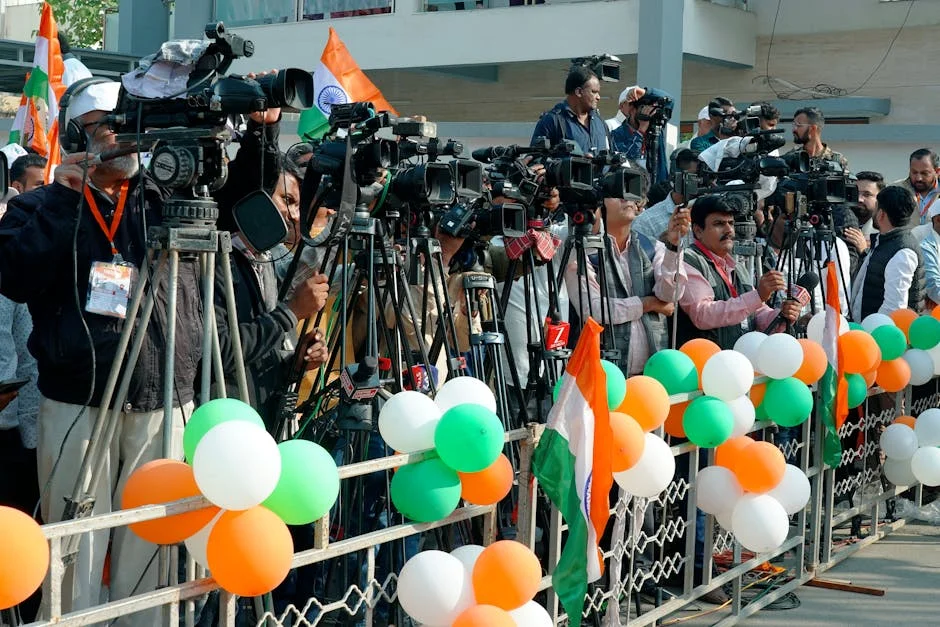
The clash between the two factions has led to a sharp rise in political rhetoric. In a recent speech, Mamata accused I-PAC of being a "front for external interests," a claim that I-PAC has dismissed as "baseless and politically motivated." The dispute has also spilled into local media, with several TV channels and newspapers caught in the crossfire, amplifying the sense of urgency in the state.
Impact on Daily Life and Local Economy
The political rivalry is not just a matter of ideology—it is shaping daily life for residents. In areas like Bhangar and Rajarhat, where voter sentiment is closely divided, businesses have reported increased uncertainty. Local shopkeepers say that the political climate has affected consumer confidence, with some delaying purchases until the election results are in.
The local economy is also feeling the strain. In the port city of Haldia, where manufacturing and trade are key, workers are concerned about potential policy shifts. "We are worried that the outcome of the polls could affect government contracts and infrastructure projects," said Rajesh Kumar, a factory worker. "We need stability, not more political games."
Community Response and Voter Mobilisation
Communities across Bengal are reacting to the political developments in different ways. In rural areas, TMC supporters are rallying behind Mamata, citing her long-standing commitment to rural welfare. In urban centres, I-PAC has found a more receptive audience among younger voters who are disillusioned with the status quo.
Local NGOs and community leaders have also taken a stance. The Bengal Women's Forum, a civil society organisation based in Kolkata, has called for a focus on issues like healthcare and education rather than political infighting. "The people of Bengal deserve a government that listens to them, not one that is too busy fighting each other," said Rina Das, the organisation’s director.
Voter Mobilisation Strategies
Both parties have adopted distinct strategies to win over voters. TMC is leveraging its network of local leaders and grassroots volunteers, while I-PAC is using social media to reach younger demographics. In the capital city, the TMC has launched a series of roadshows, while I-PAC has focused on digital campaigns and public rallies.
The use of technology in campaigning has also raised concerns. Several voters have reported receiving multiple messages from both parties, leading to confusion. "I get messages from both sides every day, but I don’t know who to trust," said Amina Begum, a resident of Howrah. "It’s hard to make an informed decision when the information is so conflicting."
What to Watch Next
The next few weeks will be critical in determining the outcome of the polls. With voting scheduled to begin on April 28, both parties are intensifying their efforts to secure support. The final phase of campaigning is expected to bring more public debates, rallies, and voter outreach initiatives.
For citizens, the stakes are high. The election will shape policies on everything from public services to infrastructure development. As the political landscape continues to evolve, one thing is clear: the people of Bengal are watching closely, and their voices will determine the future of the state.
See Also
- Eskom warns of power cuts as municipal debt soars past R110bn: what it means for Africa
- Panathinaikos Defeats El Valencia — Shakes Up Nigerian Fan Base
"It’s hard to make an informed decision when the information is so conflicting." What to Watch Next The next few weeks will be critical in determining the outcome of the polls. In rural areas, TMC supporters are rallying behind Mamata, citing her long-standing commitment to rural welfare.