The City of Cape Town has issued a stark warning to residents as dam levels across the region have dropped to 22%, raising fears of severe water shortages. The National Department of Water and Sanitation confirmed the figures, which mark a critical threshold in the city's ongoing water crisis. With the current levels, the city faces the possibility of implementing strict water rationing measures within weeks, directly impacting daily life for thousands of households.
Water Levels Reach Critical Point
The latest data from The City shows that the six main dams serving Cape Town are at 22% of their total capacity, the lowest level since the 2018 drought. The Groenkloof and Stofberg dams are the most affected, each sitting at just 14% of their maximum storage. "This is a dire situation," said Water and Sanitation Director Lindiwe Mthethwa. "We are at the edge of a potential disaster if we don’t act quickly."
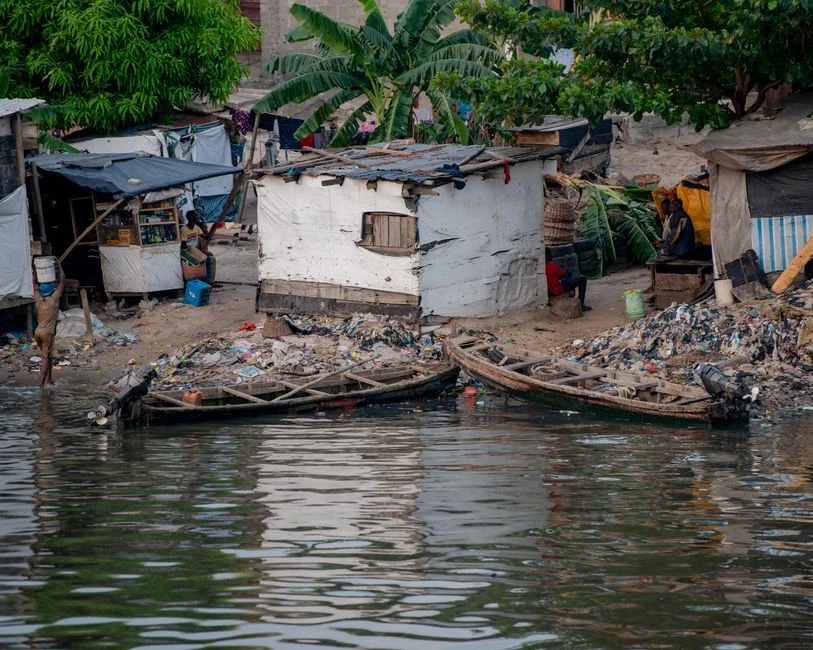
Residents have already started to feel the strain. Many have reported lower water pressure, and some areas have experienced intermittent supply cuts. The city has urged households to reduce consumption by 50%, but compliance has been inconsistent. "I’m trying my best, but with two children and a garden, it’s hard," said Mpho Nkosi, a mother of three living in the suburb of Mitchells Plain.
Impact on Daily Life and Economy
The water shortage is disrupting daily routines for millions. Schools and hospitals are preparing for potential supply disruptions, and businesses, particularly those in agriculture and hospitality, are bracing for losses. The Western Cape’s tourism sector, which contributes significantly to the local economy, is also at risk as visitors may avoid the region amid uncertainty.
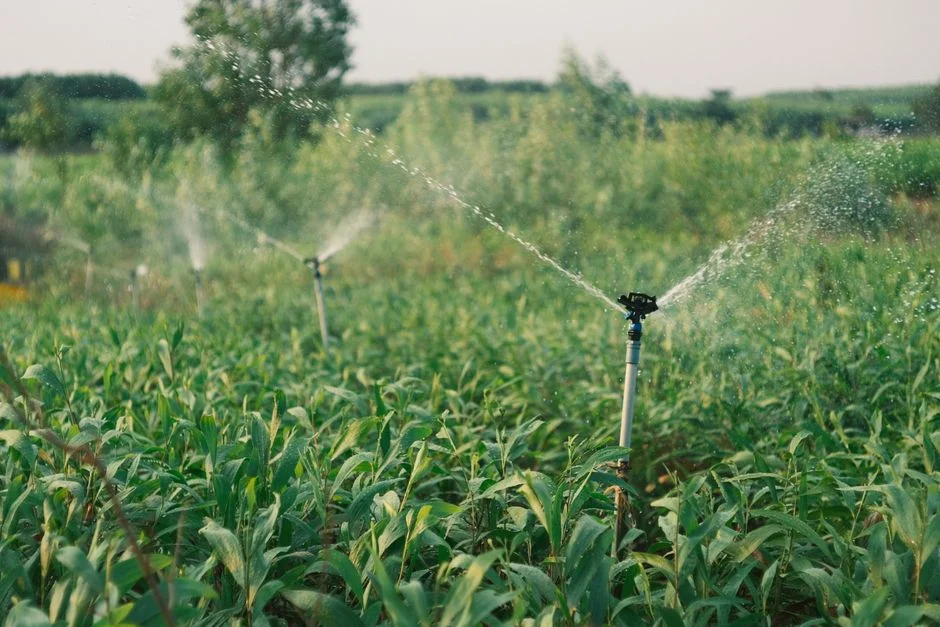
"We’ve already had to cut back on watering our crops," said Thandiwe Mbeki, a farmer in the Overberg region. "If this continues, we may not be able to harvest at all this season." The National Department of Agriculture has warned that the crisis could lead to a 15% drop in crop production, further straining food security in the region.
Local markets are also feeling the pressure. Supermarkets have started to limit the sale of bottled water, and some shops have raised prices in response to increased demand. "We’re not making any profit, but we have to keep the shelves stocked," said shop owner Sipho Mokoena in the city centre.
Community Response and Government Action
Community groups have stepped in to support vulnerable residents. The Cape Town Water Conservation Association has launched a campaign to educate households on efficient water use, while local NGOs are distributing water-saving devices to low-income families. "We’re trying to bridge the gap between the government and the people," said Noma Mthembu, a volunteer with the association.
The City has announced plans to accelerate the construction of a new desalination plant, which is expected to provide an additional 150 million litres of water per day. However, the project is still months away from completion, and critics argue that more immediate solutions are needed. "This is not enough," said environmental activist James Sipho. "We need emergency measures now."
Emergency Measures and Public Awareness
The city has also begun a public awareness campaign, urging residents to report leaks and use water-saving techniques. A mobile app, "SaveWater Cape Town," has been launched to help users track their usage and receive alerts on conservation tips. "Every drop counts," said Mthethwa. "We need the entire community to come together to avoid a catastrophe."
In addition, The City has allocated funds for the installation of rainwater harvesting systems in public buildings, including schools and clinics. These systems are expected to provide an alternative water source during the dry season. However, the success of these measures will depend on public participation and long-term commitment.
Looking Ahead: What’s Next?
With the dry season approaching, the situation in Cape Town is expected to worsen unless there is a significant rainfall. The National Department of Water and Sanitation has warned that without immediate action, the city could face a complete water shutdown by the end of the year. "We are at a crossroads," said Mthethwa. "The choices we make now will determine the future of our city."
Residents are being advised to prepare for further restrictions, including possible water rationing and higher tariffs. The next major update from The City is expected in two weeks, when officials will review the situation and announce any new measures. For now, the message is clear: every citizen must play a role in conserving water to prevent a full-blown crisis.
See Also
- The Innovation Hub Unveils New Innovators in GAP 2026 — Africa's Future at Stake
- Tinubu’s $500m Airbus Bet: Will It Fix Nigeria’s Air Travel Crisis?
However, the project is still months away from completion, and critics argue that more immediate solutions are needed. "We need emergency measures now." Emergency Measures and Public Awareness The city has also begun a public awareness campaign, urging residents to report leaks and use water-saving techniques.
What is the latest news about cape town warns of water shortages as dams hit 22 capacity?
Why does this matter for economy-business?
What are the key facts about cape town warns of water shortages as dams hit 22 capacity?