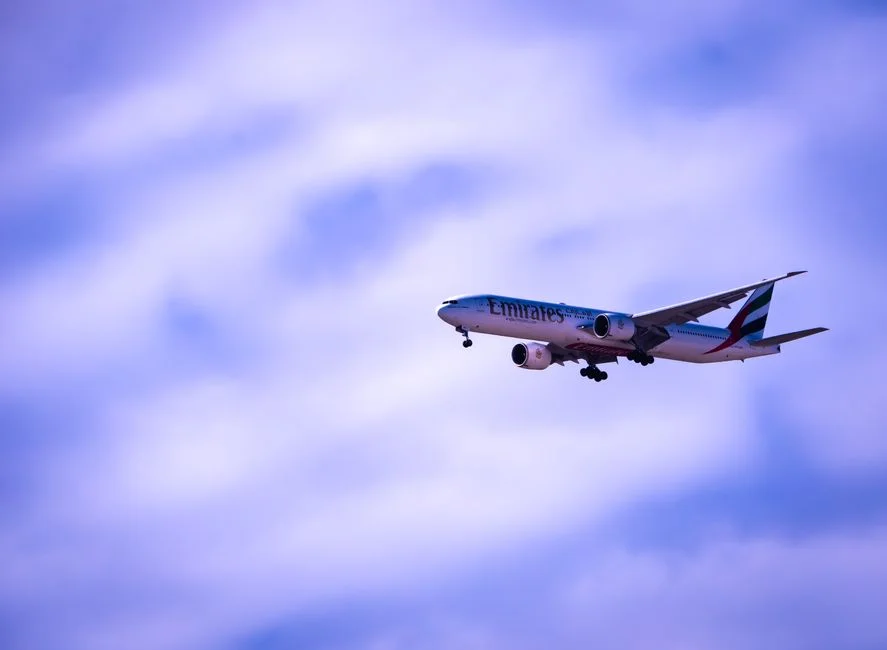
The Federal Aviation Administration (FAA) has announced a cap on flights at O'Hare International Airport in Chicago to address persistent delays and cancellations. The decision comes as U.S. airports grapple with increasing congestion, particularly during peak travel seasons. This measure, effective from January 2024, aims to improve the punctuality of flights but may lead to fewer available seats for travelers.
Impact on Chicago and Beyond
Chicago's O'Hare Airport, a major hub for both domestic and international flights, plays a critical role in the U.S. air travel network. Limiting flights is expected to alleviate some of the notorious delays at the airport, but it could also lead to increased ticket prices. The reduction in flights may benefit travelers by ensuring on-time departures but at the potential cost of accessibility and affordability.
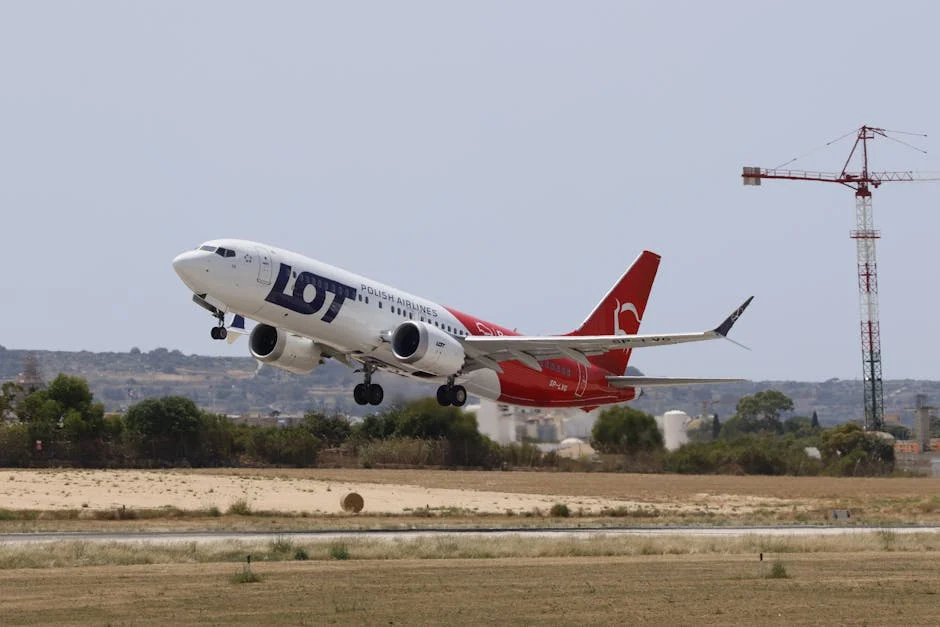
For residents of Chicago and surrounding regions, this change could mean adjusting travel plans and potentially facing longer waits for available flights. Local businesses relying on the airport for transporting goods might also experience delays, impacting supply chains and regional economies.
Why U.S. Flight Delays Matter
Historical Context
Flight delays and cancellations have long been a headache for both airlines and passengers across the U.S. According to the Bureau of Transportation Statistics, O'Hare reported over 2,000 flight delays in the past year alone. This cap is part of a broader effort by the FAA to streamline operations and enhance efficiency.
Broader Implications
As one of the busiest airports in the country, changes at O'Hare have a ripple effect across the national air travel system. Airlines may have to reroute flights through other hubs, potentially affecting flight schedules and connections. This could lead to a re-evaluation of strategic flight operations by major carriers.
Community Response to Flight Caps
The decision has sparked mixed reactions from the community. Frequent flyers and business travelers express concerns over reduced flexibility in scheduling. Meanwhile, some residents welcome the prospect of more reliable travel. "The delays have been a nightmare," says John Smith, a Chicago resident. "Anything that can make flights more punctual is a win."
However, tourism officials worry about the potential impact on visitor numbers. Fewer flights might deter tourists, affecting hospitality and service industries already recovering from pandemic-related downturns.
Looking Ahead: What to Watch
As the January implementation date approaches, airlines are expected to adjust their schedules and potentially offer promotions to manage demand. Travelers should keep an eye on announcements from carriers serving O'Hare, as well as potential alternative routes through other airports.
Stakeholders are also closely monitoring the impact of this policy on flight prices and overall passenger experience. The success of the FAA's initiative at O'Hare could set a precedent for similar measures at other congested airports nationwide.
See Also
- South African Governor Sticks to 3% Inflation Target Amid Economic Strain
- Zambians Demand Accountability on Racism — Is Pan-Africanism Under Threat?
This could lead to a re-evaluation of strategic flight operations by major carriers.Community Response to Flight CapsThe decision has sparked mixed reactions from the community. Frequent flyers and business travelers express concerns over reduced flexibility in scheduling.
What is the latest news about us caps ohare flights to cut delays travel disruptions loom?
Why does this matter for economy-business?
What are the key facts about us caps ohare flights to cut delays travel disruptions loom?