Philadelphia residents are bracing for a sharp drop in temperatures as the National Weather Service issued a freeze warning for the region, with lows expected to fall to 28 degrees Fahrenheit by midweek. The sudden shift from record-breaking heat to a winter chill has left many scrambling to adjust, with local officials urging residents to take precautions. The abrupt weather change is not just a local concern, as it reflects broader climatic instability affecting the entire US.
What Happened and Why It Matters
After a summer marked by extreme heat, Philadelphia saw its highest temperature of 98 degrees Fahrenheit on July 12. By Wednesday, the city is expected to see a drop of over 70 degrees, with the freeze warning set to last until Friday. This rapid temperature shift is unusual and has raised concerns among meteorologists and public health officials. Dr. Maria Lopez, a climatologist at the University of Pennsylvania, warned that such abrupt changes can pose risks to vulnerable populations, including the elderly and those with chronic health conditions.
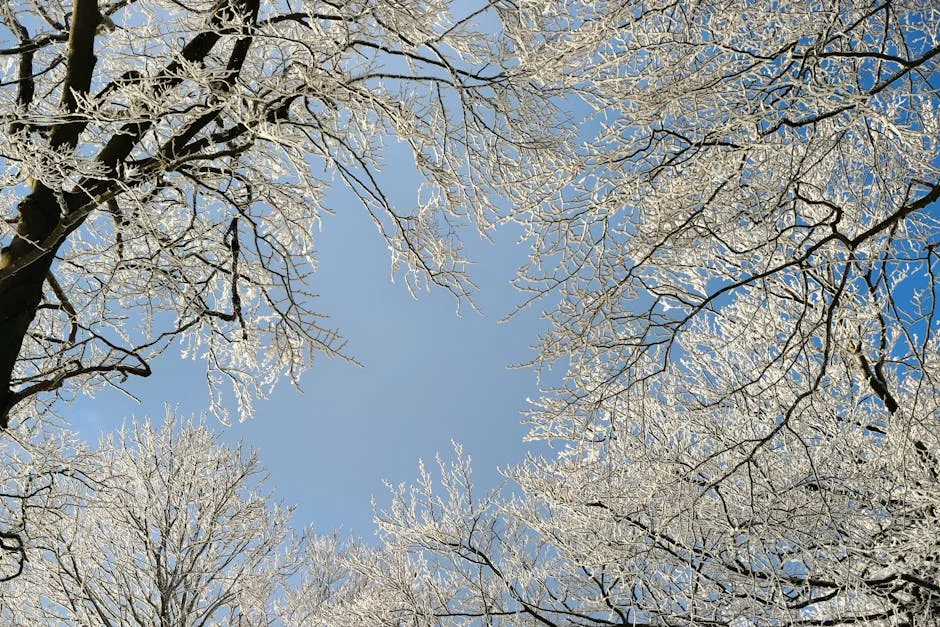
The freeze warning has also disrupted daily life. Local schools in Philadelphia have announced early dismissals, and public transportation authorities have advised drivers to exercise caution on icy roads. The city’s emergency management office has opened warming centers in several neighborhoods, particularly in low-income areas where heating costs can be a burden. “We’re seeing a lot of families who can’t afford to keep their homes warm,” said John Carter, a spokesperson for the Philadelphia Department of Public Health.
Impact on Local Economy and Daily Life
The sudden drop in temperature has had a ripple effect on the local economy. Retailers in the city have reported a surge in demand for winter clothing and heating supplies, with some stores selling out of blankets and space heaters within hours. “We’ve never seen this kind of rush in July,” said Sarah Thompson, owner of a local hardware store in Center City. “It’s like the weather decided to skip straight to winter.”
Restaurants and food vendors have also been affected. Many outdoor dining areas have closed, and some businesses have had to adjust their operating hours. The city’s farmers’ markets, which typically operate in the summer, have seen a decline in foot traffic. “This is a tough time for small businesses,” said Raj Patel, a vendor at the FDR Park Farmers’ Market. “We’re not prepared for this kind of weather in July.”
Community Response and Preparedness
Community organizations have stepped in to support residents facing the cold. The Philadelphia Interfaith Council has launched a clothing drive, collecting winter gear for those in need. Local churches and mosques have also opened their doors to provide shelter and meals. “This is about looking out for each other,” said Reverend James Williams of St. Matthew’s Episcopal Church. “We can’t let anyone suffer in the cold.”
Public health officials have emphasized the importance of staying informed. The National Weather Service has advised residents to check on neighbors, especially those who live alone, and to keep emergency supplies on hand. “This is a reminder that we need to be ready for anything,” said Dr. Lopez. “Climate change is making these extremes more frequent, and we need to adapt.”
What to Watch Next
As the freeze warning continues, the focus will shift to how long the cold weather will last and whether it will spread to neighboring regions. The National Weather Service has already issued similar alerts for parts of New Jersey and Delaware. Officials are also monitoring the potential for power outages, especially in older neighborhoods where infrastructure may not be equipped to handle the sudden change. The city’s energy department is working to ensure that there are enough resources to meet increased demand.
Residents are being urged to stay updated through local news outlets and weather apps. With temperatures expected to remain below freezing for at least the next three days, the community will need to remain vigilant. As the weather continues to evolve, the focus will be on how effectively local and state authorities can respond to the challenges posed by this unexpected climate shift.
See Also
- Portugal Drivers Queue for Fuel Amid Price Surge — What It Means for Nigeria
- Bol Bol Shatters Records with 50 Points as TNT Extends Winning Streak
“We can’t let anyone suffer in the cold.” Public health officials have emphasized the importance of staying informed. The National Weather Service has advised residents to check on neighbors, especially those who live alone, and to keep emergency supplies on hand.