Eskom, South Africa's primary electricity supplier, has been urged by the South African Independent Power Producer Association (Saippa) to transfer its grid allocation to the National Transmission Company of South Africa (NTCSA). This recommendation has the potential to reshape energy dynamics not only within South Africa but also in regions dependent on Eskom's power, including Nigeria.
Why Eskom Matters to Nigeria
Despite being based in South Africa, Eskom plays a significant role in the energy framework of several African countries, including Nigeria. As one of the continent's largest electricity producers, any operational changes within Eskom can reverberate across borders, affecting power supply agreements and energy policies.
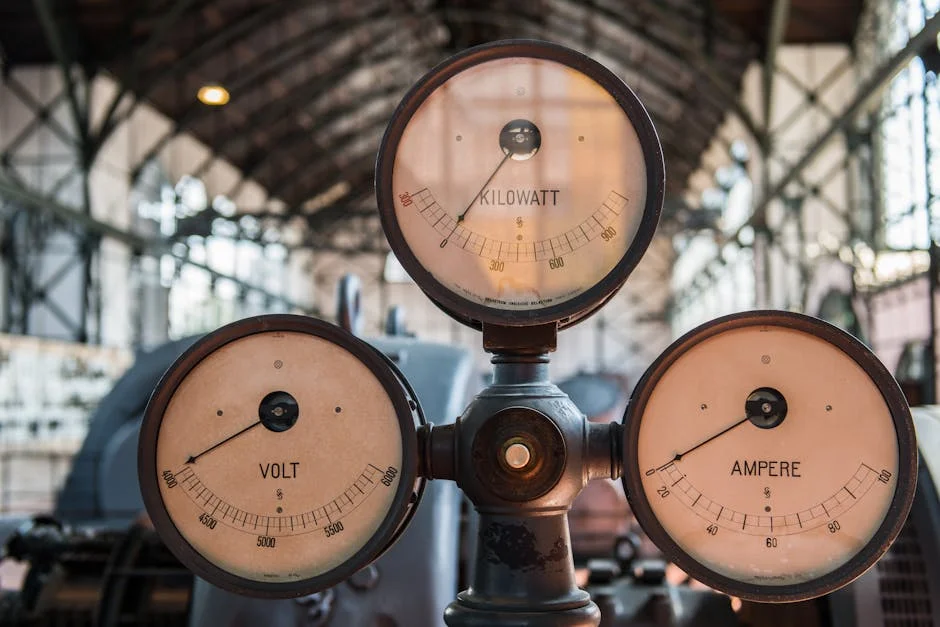
Nigeria, with its growing energy demands, looks towards partnerships with reliable energy suppliers like Eskom. The shift in grid management could influence these relationships, potentially leading to renegotiations or adjustments in energy trading terms.
Saippa Independent's Proposal Explained
Saippa, representing independent power producers, argues that the grid transfer to NTCSA will lead to a more efficient and transparent electricity distribution framework. This move is intended to address persistent issues of power outages and inefficiencies within Eskom's current operational model.
The proposal suggests that by reallocating responsibilities, Eskom can focus more on its core activities, while NTCSA handles the distribution logistics. This reorganisation is expected to enhance service delivery, a crucial factor for regions like Nigeria that rely on stable electricity imports.
Potential Impact on Nigerian Communities
Nigerian communities, particularly those involved in the manufacturing and technology sectors, stand to benefit from a more reliable electricity partner. Consistent power supply is essential for economic activities and reducing operational costs associated with power outages.
However, there are concerns over transitional challenges, such as potential delays in supply or increased costs during the handover process. Nigerian businesses and government stakeholders will need to closely monitor these developments.
What to Watch Next
The next steps involve Eskom's response to Saippa's proposal and any ensuing negotiations with NTCSA. Energy experts in Nigeria are keenly observing these changes, as they could influence local energy policies and investment strategies.
With a decision expected by the end of the year, stakeholders in Nigeria should prepare for potential adjustments in energy supply agreements. The outcome will likely set a precedent for how regional energy partnerships are managed in the future.
See Also
- Cape Town's Rental Crisis Exposed: How 'Take' Redefines Housing Access
- Naira Slides Past 1,450 to Dollar as Inflation Bites
This reorganisation is expected to enhance service delivery, a crucial factor for regions like Nigeria that rely on stable electricity imports.Potential Impact on Nigerian CommunitiesNigerian communities, particularly those involved in the manufacturing and technology sectors, stand to benefit from a more reliable electricity partner. Consistent power supply is essential for economic activities and reducing operational costs associated with power outages.However, there are concerns over transitional challenges, such as potential delays in supply or increased costs during the handover process.