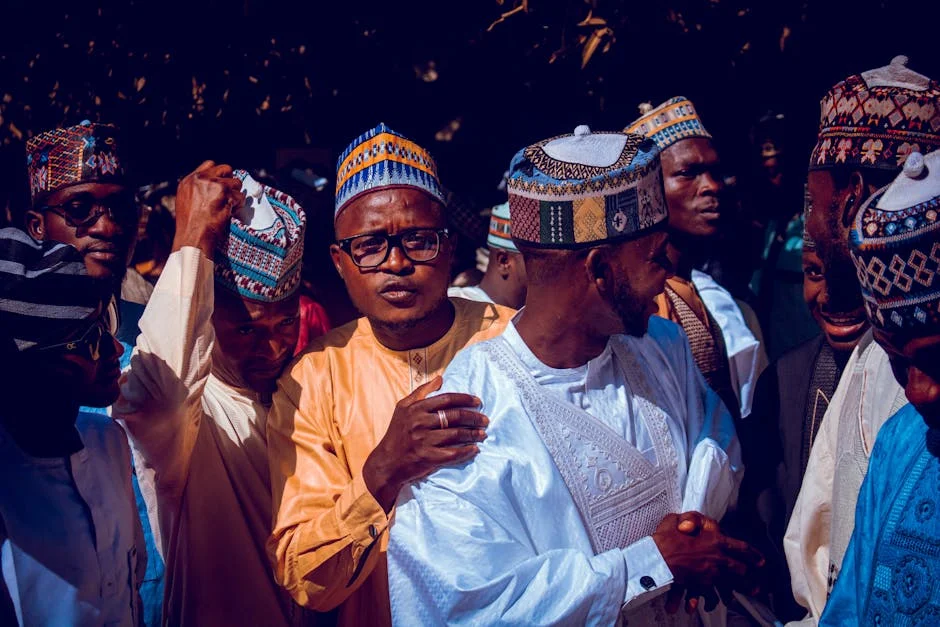
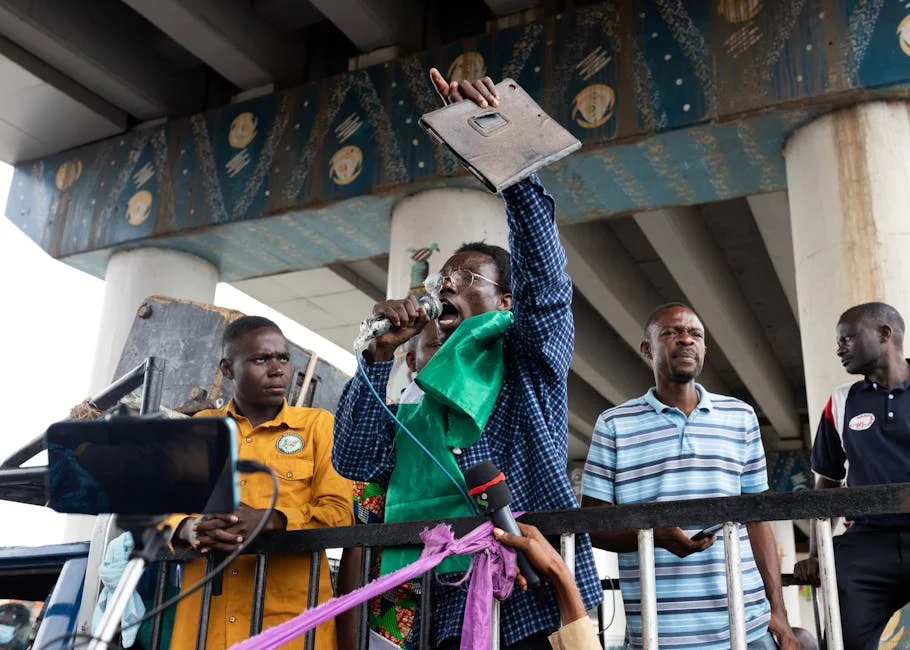
Teachers across Nigeria have launched a widespread protest against the newly announced IN (Internal Assessment) exam rules, claiming the changes undermine their professional dignity and threaten the quality of education. The controversy began after the Ministry of Education released a directive requiring teachers to re-administer the IN exams, a move that has sparked outrage among educators who argue it is an unnecessary burden and a lack of trust in their judgment.
Protest Intensifies in Lagos and Abuja
The protests, which began in Lagos and quickly spread to Abuja, have seen teachers gathering outside education ministry offices, chanting slogans demanding respect and fairness. "We are not questioning the need for assessments, but this re-examination is an insult to our expertise," said Mrs. Amina Yusuf, a senior teacher at Lagos State Secondary School. "We have spent years training to assess students properly, and now we are being treated like unqualified examiners."

The Ministry of Education has not yet issued a public response to the protests, but sources within the department suggest that officials are considering revising the policy. "There are concerns that this directive may create unnecessary delays in the academic calendar," one official said, speaking on condition of anonymity. "We are looking at how to balance accountability with the need for teacher autonomy."
Impact on Students and Schools
The uncertainty surrounding the IN exams is causing anxiety among students and parents. In Lagos, many families are worried that the repeated assessments could disrupt the school year and affect students' performance in final exams. "We don’t want our children to suffer because of this conflict between teachers and the government," said Mr. Chidi Okoro, a parent in Ikeja. "We just want the system to be fair and consistent."
Local schools are also feeling the strain. Some have reported that teachers are taking unpaid leave to participate in the protests, leading to reduced class hours and increased workloads for remaining staff. "It’s a tough situation for everyone," said Mr. Kemi Adeyemi, a school principal in Abuja. "We need a resolution that allows us to focus on teaching without constant disruptions."
Historical Context and Teacher Concerns
The current dispute is not the first time teachers have clashed with the government over assessment policies. In 2019, a similar controversy led to a nationwide strike that lasted over a month. Teachers at the time argued that the government was overstepping its role by dictating how assessments should be conducted. "This is a recurring issue," said Dr. Samuel Onyekachi, a former education official. "The government needs to recognize that teachers are professionals and should be trusted to do their job."
The latest directive has reignited these concerns. Teachers argue that the new rules are not based on any evidence of poor performance but are instead a response to political pressure. "There is no data showing that teachers are failing in their assessments," said Mrs. Yusuf. "This is about control, not quality."
Public and Political Reactions
The protests have drawn attention from local media and civil society groups. The Nigerian Association of Teachers (NAT) has called for immediate dialogue between the ministry and educators. "We urge the government to listen to the voices of those on the ground," said NAT President Mr. Chukwuemeka Nwosu. "This is not just about exams—it’s about the future of our education system."
Politicians have also weighed in, with some calling for the government to reconsider its stance. "We cannot afford to alienate the very people who are shaping our future," said Senator Amina Bello from the South-West. "This is a critical moment for the education sector, and we need a solution that benefits everyone."
What’s Next for Teachers and Students?
As the protests continue, the pressure on the Ministry of Education is mounting. A key deadline for resolving the issue is approaching: the end of the first term, which is set for early March. If no agreement is reached, further disruptions are likely, with more teachers expected to join the strike. "We are not backing down," said Mrs. Yusuf. "We will keep fighting for what is right for our students and our profession."
For now, the situation remains tense, with both sides waiting for a breakthrough. Parents, students, and educators across Nigeria are watching closely, hoping for a resolution that will restore stability to the education system.
See Also
- Google Expands AI Search Tools with African Languages — What This Means for Nigeria
- Antetokounmpo leads Bucks to victory: what it means for Nigeria's youth
"The government needs to recognize that teachers are professionals and should be trusted to do their job." The latest directive has reignited these concerns. "This is a critical moment for the education sector, and we need a solution that benefits everyone." What’s Next for Teachers and Students?