American retail giant Walmart has announced the closure of 150 stores across the US, including several locations in the Midwest, impacting over 1,200 employees. The decision comes as the company restructures its operations amid shifting consumer habits and rising operational costs. The closures affect communities in cities like Indianapolis, Chicago, and St. Louis, where many residents rely on these stores for daily essentials.
Impact on Daily Life in Local Communities
The closures have left many residents scrambling to find alternatives for everyday shopping. In Indianapolis, where one of the affected stores is located, locals like Maria Lopez, a mother of three, say the store was a vital part of their routine. “We used to go there for groceries, medicine, and even to buy school supplies,” Lopez said. “Now, we have to drive 20 minutes to the nearest store.”
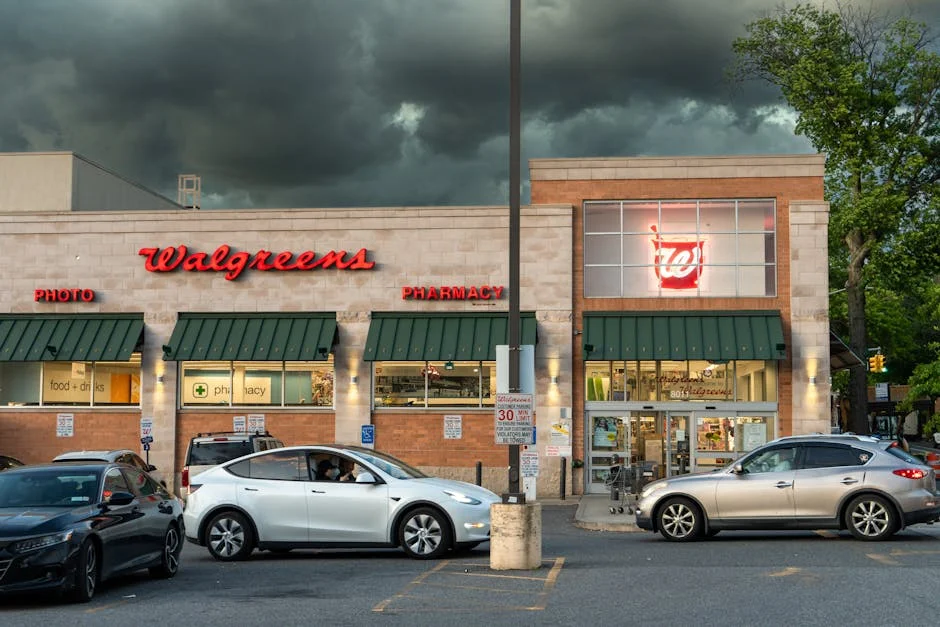
Small businesses in the affected areas are also feeling the ripple effect. In St. Louis, local shop owners report a slight drop in foot traffic as customers adjust to new shopping patterns. “Some of our regulars are now going to other stores, which means less business for us,” said James Carter, owner of a nearby hardware store.
Local Economy Faces Uncertainty
The closures have raised concerns about the broader economic impact on the Midwest. Walmart is one of the largest employers in many small towns, and the loss of 1,200 jobs has created uncertainty for families who depend on these wages. In Illinois, the state’s labor department has started monitoring the situation closely, as the closures could affect regional employment rates.
Local governments are also taking action. The city of Chicago has launched a task force to support displaced workers, offering job training and assistance in finding new employment. “We’re working to ensure that no one is left behind,” said Chicago Mayor Lori Lightfoot. “This is a tough time for many, but we’re committed to helping them transition.”
Community Response and Adaptation
Community leaders and residents have been rallying to support affected workers and small businesses. In Indianapolis, a local nonprofit has started a campaign to help displaced employees find new jobs. “We’re trying to connect people with resources and opportunities,” said Sarah Mitchell, director of the Indianapolis Community Initiative.
Some residents have also turned to online platforms to support local businesses. In St. Louis, a social media group called “Shop Local STL” has gained traction, with members sharing information about nearby stores and services. “We’re trying to keep the local economy alive,” said group founder Mark Thompson.
Shift in Retail Trends
The closures reflect a broader trend in the retail sector, as companies adapt to changing consumer preferences. With more people shopping online, traditional brick-and-mortar stores are struggling to remain competitive. Walmart’s decision is part of a larger strategy to focus on e-commerce and more efficient store models.
Analysts say the move could signal a shift in how retail is structured in the US. “This is a sign that the industry is evolving,” said Dr. Emily Rodriguez, a retail expert at the University of Illinois. “Stores that can’t adapt to these changes will face challenges.”
What to Watch Next
Walmart has not yet announced a timeline for the closures, but the process is expected to begin in the next few months. Affected employees will be notified in the coming weeks, and the company has pledged to offer severance packages and job placement assistance.
Residents in the affected areas are encouraged to reach out to local government offices and community organizations for support. As the changes unfold, the focus will be on how communities adapt and how the local economy responds to these shifts.