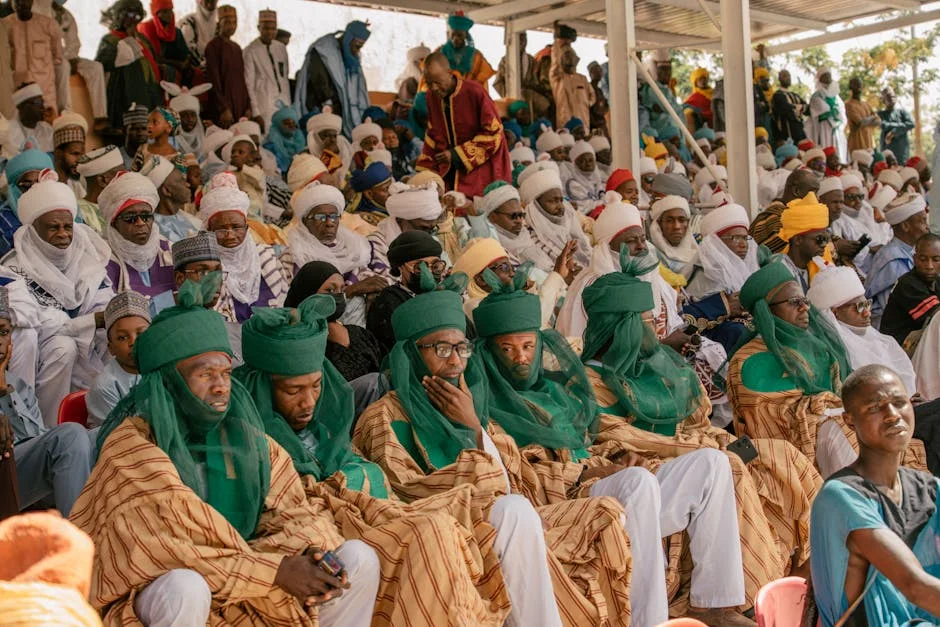
Nigeria's struggling tech infrastructure and deepening budget cuts are undermining global efforts to track and support vulnerable populations, according to a recent report by the United Nations. The issue has become particularly urgent in Lagos, where aid groups struggle to reach those in need due to outdated systems and funding shortages. The National Emergency Management Agency (NEMA), which coordinates disaster response, has reported a 30% reduction in operational capacity since 2022, leaving many communities without reliable assistance.
How Tech Gaps Are Worsening the Crisis
Many humanitarian organisations rely on digital tools to identify and support vulnerable groups, but in Nigeria, these systems are often outdated or non-existent. In the northern states, where conflict and displacement are rampant, aid workers say they cannot accurately track displaced families without reliable internet or GPS devices. "We’re working with paper records from 2015," said Amina Yusuf, a field officer with the International Rescue Committee (IRC) in Kano. "This makes it impossible to provide timely help."

The lack of digital infrastructure is not just a logistical problem — it’s a human one. Without accurate data, aid can be misdirected or delayed. In 2023, a drought in Borno State affected over 2 million people, but due to poor tracking, only 40% received food aid on time. "We can’t help people if we don’t know where they are," said Dr. Chidi Nwosu, a public health official in the state. "This is a crisis of visibility."
Budget Cuts Hit Local Aid Programs Hard
Nigeria’s government has slashed funding for social programs by 25% in the past year, according to the Ministry of Budget and Economic Planning. This has led to the closure of several community-based health and education centers, particularly in rural areas. In Kaduna, for example, three out of five local clinics have reduced their operating hours due to a lack of staff and supplies. "Families are being left without basic services," said Fatima Abubakar, a mother of four in the city. "We used to get regular checkups for our children, but now we have to travel hours to the nearest hospital."
The impact is felt most by the most vulnerable — children, the elderly, and those living in poverty. A recent survey by the World Bank found that 68% of low-income households in Nigeria now struggle to access essential services. "These cuts are not just numbers — they’re lives being affected every day," said Nkechi Okoro, a social worker in Lagos. "We’re seeing more children drop out of school and more families living in fear."
Global Partnerships Face Uncertainty
International aid agencies are also feeling the strain. The United Nations has warned that funding for Nigeria’s humanitarian programs is at a 10-year low, with over $2 billion needed to meet urgent needs. "Without sustained support, we risk losing progress in the fight against poverty and disease," said UNICEF representative in Nigeria, Hilda Johnson. "This is a global issue, but it starts with local action."
Donor countries are now reconsidering their commitments. Germany, which has been a major funder of Nigeria’s health programs, has announced a 15% reduction in aid for 2024. "We need to see more accountability and transparency before we can increase support," said a German embassy spokesperson. This shift has left many local NGOs scrambling for alternative funding sources.
Local Responses and Grassroots Efforts
Despite the challenges, community groups are stepping in to fill the gaps. In Lagos, a network of volunteer health workers has begun providing free medical checkups in underserved areas. "We’re not waiting for the government to act," said Chika Nwosu, a nurse and founder of the Lagos Health Initiative. "We’re doing what we can with what we have."
Local tech startups are also exploring solutions. One company, TechAid Nigeria, is developing low-cost mobile apps to track vulnerable populations. "We’re building tools that don’t require high-speed internet," said CEO Uche Okoro. "This is about making technology work for everyone, not just the privileged."
What’s Next for Nigeria’s Vulnerable?
The coming months will be critical for Nigeria’s most vulnerable citizens. The government has pledged to increase funding for social programs by 10% in 2025, but many remain skeptical. A new aid summit is scheduled for December, where international donors will decide on future funding commitments. Meanwhile, local organisations are pushing for greater transparency and accountability in how aid is distributed.
For now, the situation remains dire. Without significant changes, Nigeria’s tech gaps and budget cuts will continue to hinder global efforts to support the most vulnerable. As one community leader in Kano put it, "We’re not asking for much — just a chance to live with dignity." The world is watching, and the clock is ticking.
See Also
- Montenegro Claims Portugal Strengthens Ties with US — What It Means for Africa
- Famalicão Resumes Family Medical Consultations: What It Means for Nigeria's Health Sector
What is the latest news about nigerias tech gaps and budget cuts threaten global aid efforts?
Why does this matter for economy-business?
What are the key facts about nigerias tech gaps and budget cuts threaten global aid efforts?