Vanguard News, a leading Nigerian media outlet, has undergone a major internal restructuring following the ratification of National Executive Committee (NEC) resolutions at its annual convention in July. The move saw the dissolution of the National Working Committee (NWC) and the expulsion of several members, marking a significant shift in the organisation’s leadership and operations. The changes, announced by Chief Ralph Okey Nwosu, the editor-in-chief, aim to streamline decision-making and align the media house with new editorial and administrative guidelines.
Vanguard News Reforms Spark Debate
The restructuring has divided opinion among journalists and media observers. Some view it as a necessary step to modernise the organisation, while others worry it could undermine internal democracy. The NEC resolutions, which were passed with a majority vote, included the dissolution of the NWC, a body that had previously held significant influence over editorial content. The move has raised questions about the balance of power within the organisation.
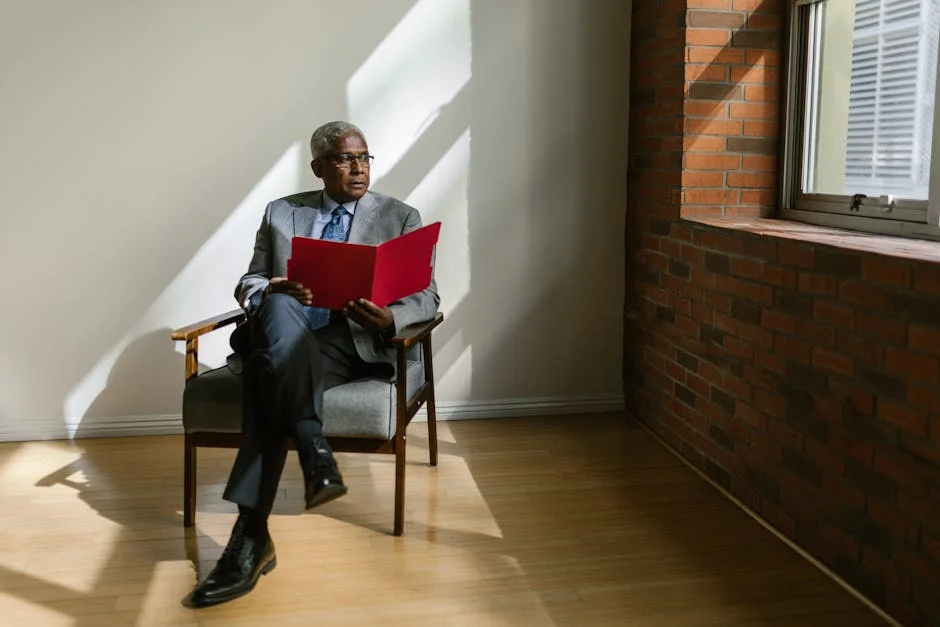
Chief Ralph Okey Nwosu, who has been at the helm of Vanguard News for over a decade, defended the changes as a way to improve efficiency and accountability. "The new structure will allow us to respond more effectively to the challenges of the digital age," he said in a statement. "It is not about silencing voices, but about creating a more transparent and responsive leadership."
Impact on Local Journalism and Public Discourse
The reforms have already begun to affect the daily operations of the newspaper, particularly in Lagos, where Vanguard News is based. Journalists report a shift in the editorial tone, with a greater emphasis on national and political coverage. This has led to concerns among some readers who feel the paper is moving away from its traditional focus on community and regional issues.
David Mark, a prominent media analyst and former editor at the Daily Times, noted that the changes could influence how news is reported across Nigeria. "Vanguard News has long been a trusted source of information for millions of readers," he said. "If the new structure leads to a more centralised editorial approach, it could have a ripple effect on the broader media landscape."
Community Response and Public Reaction
Local communities in Lagos and Abuja have expressed mixed reactions to the changes. Some residents welcomed the move, believing it could lead to more consistent and reliable news coverage. Others, however, fear the loss of local voices and the potential for biased reporting. "We rely on Vanguard News to keep us informed about what’s happening in our own neighbourhoods," said Amina Bello, a resident of Lagos. "If that changes, we might lose an important source of local news."
Community leaders in Abuja have also voiced concerns. "The dissolution of the NWC could mean fewer opportunities for local journalists to contribute to the editorial process," said Dr. Chidi Okoro, a media consultant. "This could lead to a narrower perspective in the news we read."
Shift in Editorial Priorities
The new leadership structure has also led to a reassignment of editorial roles. Several senior journalists have been moved to different departments, with some expressing uncertainty about their future within the organisation. This has created a sense of instability among staff, with some considering leaving for other media outlets.
At the same time, the changes have prompted a re-evaluation of the newspaper’s coverage strategy. A recent internal report highlighted a growing focus on national politics and business news, with a reduced emphasis on local stories. This shift has been welcomed by some readers but has raised concerns among others who feel it is moving away from its core mission.
What Comes Next for Vanguard News?
As the new structure takes shape, the next major step will be the appointment of a new editorial board, which is expected to be announced in August. This board will be responsible for overseeing the implementation of the NEC resolutions and shaping the newspaper’s future direction. The selection process has already sparked speculation about potential candidates, with several prominent journalists and media figures being mentioned as possible contenders.
For now, the focus remains on how the changes will affect the daily lives of Nigerians. With Vanguard News reaching millions of readers across the country, the outcome of these reforms could have a lasting impact on how news is produced and consumed in Nigeria.
The coming weeks will be crucial in determining the long-term effects of the restructuring. Readers, journalists, and community leaders will be watching closely to see whether the changes lead to greater transparency, efficiency, and diversity in news coverage—or whether they mark the beginning of a more centralised and less inclusive media environment.