Sri Lanka's already fragile economy faces a new blow as the escalating conflict between Iran and regional powers threatens to disrupt trade and exacerbate shortages in the island nation. With the country still reeling from last year’s devastating floods, the geopolitical tensions are adding to the suffering of ordinary citizens. The Ministry of Trade has warned that supply chains are at risk, with fuel and essential goods already showing signs of disruption.
Impact on Daily Life
For families in Colombo and the surrounding areas, the latest developments are another layer of hardship. The government has reported a 12% increase in the price of imported fuel since the conflict began, compounding the effects of the 2022 economic crisis. “We are already struggling to afford basic necessities,” said Amina Perera, a mother of three from Kandy. “Now, with the cost of living rising again, we don’t know how we will make ends meet.”
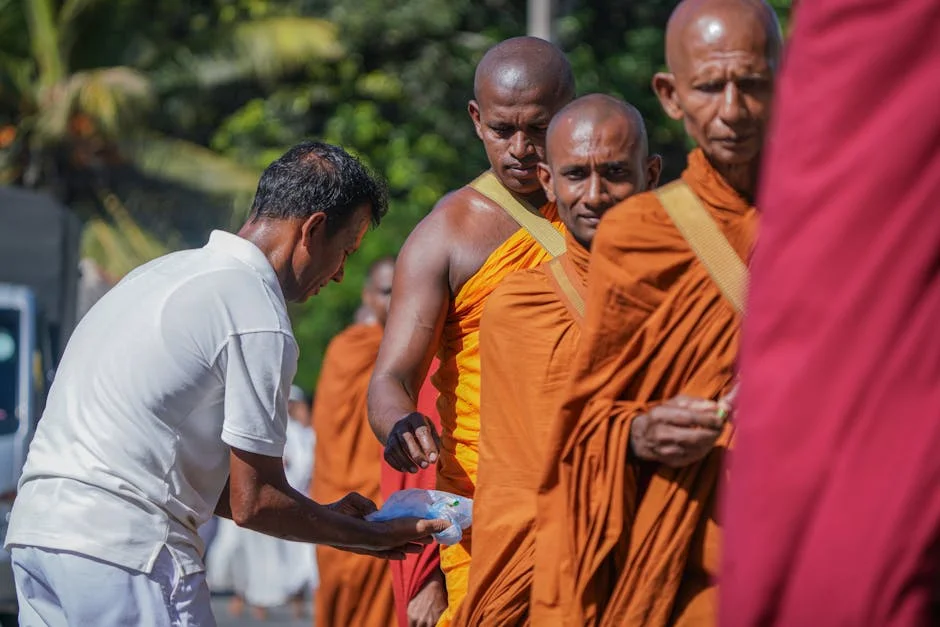
The Ministry of Energy has also issued a statement warning that the global volatility in oil markets could lead to power shortages in the coming weeks. Sri Lankan residents are now being urged to conserve electricity, a measure that comes as the country faces another dry season. In the capital, Colombo, public transport has already seen limited services due to fuel shortages, affecting workers and students alike.
Local Economy Under Pressure
The ripple effects on the local economy are already evident. Small businesses in Colombo’s central market have reported a 15% drop in sales over the past month, with many owners citing rising costs and reduced foot traffic. “We used to rely on imports from the Middle East, but now we’re not sure if the goods will arrive,” said Rajiv Fernando, a retailer of household goods. “This is a major concern for us.”
The Sri Lankan Central Bank has also expressed concerns about the impact on foreign exchange reserves. With the country still recovering from its 2022 debt crisis, the added pressure of global instability could delay economic recovery. “We are closely monitoring the situation,” said Central Bank Governor Nandasiri Weeratunga. “Any further strain on our reserves could have long-term consequences for the economy.”
Community Response and Relief Efforts
Community groups and NGOs have stepped up their efforts to support the most vulnerable. The Sri Lanka Red Cross has launched an emergency aid drive, focusing on flood-affected areas that are now also facing rising food prices. “We are seeing a surge in demand for food assistance,” said spokesperson Priyani Jayasinghe. “Families who were just beginning to recover are now at risk of falling back into poverty.”
Local leaders have also called for government action. In the southern province of Galle, Mayor Rajitha Wijerathne said, “We need immediate relief measures, including price controls on essential goods and more support for small businesses. This is not just a national crisis — it’s a regional one.”
Regional Tensions and Global Linkages
The situation highlights the interconnectedness of global events and their impact on local communities. Sri Lanka’s reliance on international trade means that even distant conflicts can have immediate and tangible effects. The country’s trade with the Middle East, once a key economic driver, has seen a sharp decline since the conflict began.
Regional experts warn that the crisis could worsen if the conflict escalates. “Sri Lanka is not directly involved, but it is feeling the consequences,” said Dr. Anura Kumara, an economist at the University of Colombo. “This is a reminder of how fragile the global economic system is.”
Looking Ahead
The Sri Lankan government has announced plans to meet with regional trade partners to explore alternative supply routes and stabilize the economy. A meeting with the Association of Southeast Asian Nations (ASEAN) is scheduled for next month, with officials hoping to secure more stable trade agreements. Meanwhile, citizens are preparing for further uncertainty as inflation and shortages continue to rise.
With the situation still evolving, the coming weeks will be critical for Sri Lankans. The government, businesses, and communities must adapt quickly to the new challenges, as the impact of the Iran conflict continues to unfold in real time.