Sowetans have taken to the streets in growing numbers to protest the rise of car spinning, a local phenomenon where drivers perform high-speed, reckless stunts on public roads. The trend, which has gained traction in Soweto, a densely populated township in Johannesburg, has sparked outrage among residents who say it endangers lives and disrupts daily routines. The local government has yet to announce a formal response, leaving communities to grapple with the consequences of the escalating issue.
What is Gusheshe? A Culture of Risk
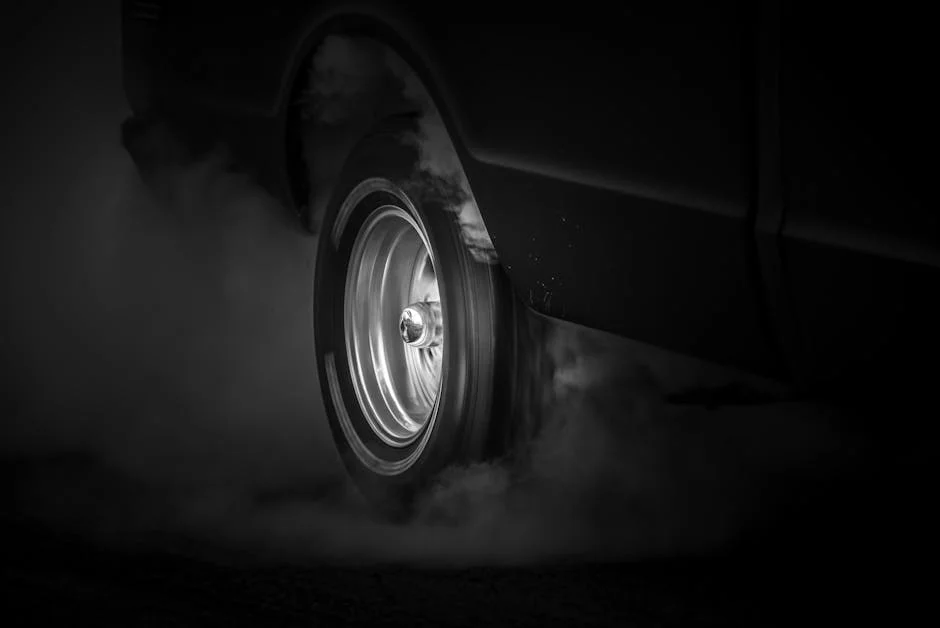
Gusheshe, a term rooted in local slang, refers to the practice of drivers speeding through tight corners and performing stunts on public roads. While some view it as a form of expression, others see it as a dangerous trend that has grown out of control. In Soweto, where traffic congestion is already a major issue, the practice has led to increased accidents and a sense of fear among residents.
“It’s not just about the cars—it’s about the way people are behaving,” said Thandiwe Mkhize, a community organizer in Soweto. “We’re tired of hearing about crashes and injuries. This needs to stop.” Mkhize, who has been vocal about the issue, has called for stricter enforcement of traffic laws and better road safety measures.
Impact on Daily Life and Safety
The consequences of Gusheshe are felt most keenly by families and children in Soweto. Schools report increased delays due to traffic disruptions, and parents express concern over the safety of their children walking to and from school. In one instance, a 12-year-old boy was injured when a speeding car swerved near a crosswalk in June 2024, highlighting the dangers of the practice.
Local businesses also suffer. Taxi drivers, who rely on predictable routes, say the reckless driving has made it harder to operate safely. “We’re not against fun, but this is reckless,” said David Nkosi, a taxi operator who has seen several colleagues involved in minor collisions. “It’s time for the authorities to take this seriously.”
Community Response and Calls for Action
Residents in Soweto have organized several protests, demanding that the city address the issue. The Soweto Community Forum, a local organization, has been at the forefront of these efforts. They have called for the installation of speed bumps, increased police presence, and public awareness campaigns to discourage reckless driving.
“We’ve seen this before, and it always ends in tragedy,” said Sipho Khumalo, a member of the forum. “If we don’t act now, we’ll be dealing with more injuries and deaths.” The forum has also partnered with local schools to educate students about road safety, hoping to instill a culture of responsibility from a young age.
How This Affects Neighboring Regions
While the focus is on Soweto, the implications of Gusheshe extend beyond the township. Neighboring areas, such as Orlando and Hillbrow, have reported similar incidents, raising concerns about the spread of the trend. Experts warn that without a coordinated response, the issue could escalate into a broader regional problem.
“This isn’t just a local issue—it’s a national one,” said Dr. Lillian Molefe, a traffic safety researcher at the University of Johannesburg. “If we don’t address it now, we could see a spike in road fatalities across the country.”
What Comes Next?
The South African government has yet to make a public statement on the issue, but local officials have indicated that they are considering new measures to curb reckless driving. A proposed bill, currently under review, would increase penalties for speeding and reckless driving, particularly in densely populated areas.
Residents in Soweto are urging the government to act quickly. “We can’t wait for another tragedy,” said Thandiwe Mkhize. “The time for action is now.” As the debate continues, the community remains on high alert, hoping for a solution that will bring safety and stability back to their streets.
The coming weeks will be critical. If no decisive action is taken, the situation could worsen, putting more lives at risk. For now, Sowetans are holding their breath, waiting for the government to respond to their calls for change.