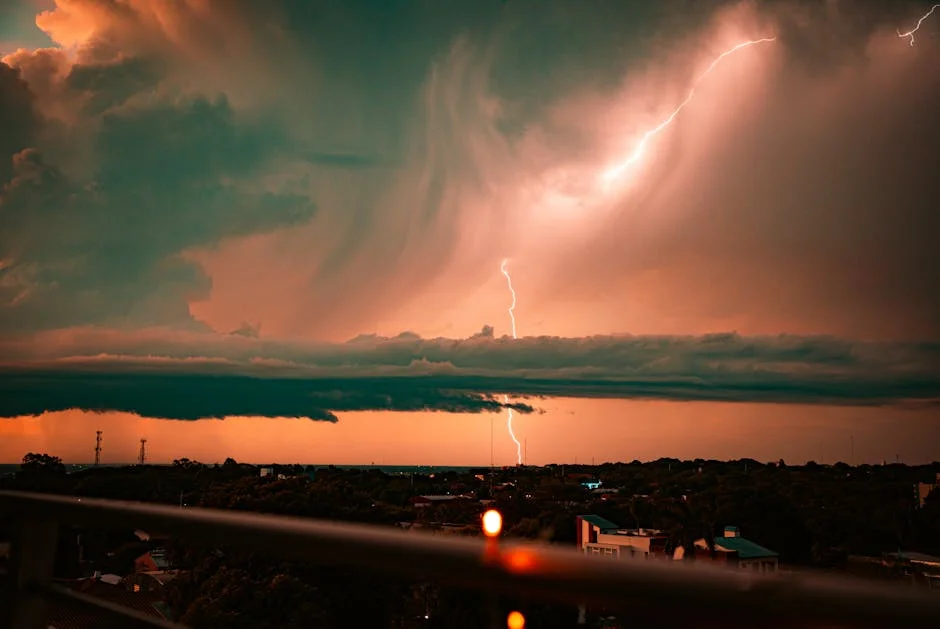
South Africa’s meteorological department has issued fresh warnings of heavy rain across KwaZulu-Natal, a region already reeling from recent flooding that displaced thousands. The National Weather Service (NWS) reported that rainfall levels could reach 80mm in some areas over the next 48 hours, prompting local authorities to activate emergency response teams. Residents in Durban and surrounding towns have been advised to prepare for potential disruptions to transport, power, and water services.
Impact on Daily Life and Local Economy
The latest weather alerts have raised fears of another wave of flooding, which could severely disrupt daily life in KwaZulu-Natal. Businesses in Durban, a major economic hub, are already preparing for possible closures, with some shops and markets reporting reduced foot traffic. Local traders say the uncertainty has led to a drop in sales, particularly in the informal sector, where many rely on daily income.
“We’re worried about the rain coming again,” said Sipho Mkhize, a street vendor in the city centre. “If the roads flood, we can’t get to work, and our families suffer.” The agricultural sector is also at risk, with farmers in the region reporting concerns over damaged crops and soil erosion. The province is a key producer of maize and sugarcane, and any significant loss could affect national food supplies.
Community Response and Preparedness
Community leaders and local NGOs have stepped up efforts to support vulnerable populations ahead of the expected rain. The KwaZulu-Natal Disaster Management Centre has distributed sandbags and emergency kits to flood-prone areas, while volunteers are helping to clear drainage systems to prevent waterlogging. The Red Cross has also deployed mobile units to provide medical aid and shelter for those affected.
“We’ve learned from the previous floods that preparation is key,” said Nomvula Ngcobo, a community liaison officer. “This time, we’re trying to be more proactive.” Despite these efforts, some residents remain skeptical, citing past failures in government response. “We’ve seen this before,” said Thandiwe Dlamini, a mother of three. “We’re just hoping it doesn’t get worse this time.”
Regional Implications and Cross-Border Effects
The weather situation in South Africa has broader implications for the region, particularly for Nigeria, which shares economic and trade ties with the country. While the immediate impact is felt locally, disruptions in South Africa’s ports and transport networks could slow the movement of goods, affecting regional trade. The Durban port, one of the busiest in Africa, is a key entry point for imports and exports, including agricultural products and machinery.
Experts say the weather patterns in South Africa are closely monitored by Nigerian policymakers, who are aware of the potential ripple effects. “Any major disruption in South Africa’s logistics can have a knock-on effect on Nigeria’s economy,” said Dr. Adebayo Ogunwale, a regional economist. “We need to be prepared for possible delays in supply chains.”
Long-Term Climate Concerns
The recent weather alerts have also reignited discussions about climate change and its impact on the region. Scientists warn that extreme weather events are becoming more frequent, with rising temperatures and unpredictable rainfall patterns. In KwaZulu-Natal, the 2022 floods were among the worst in the province’s history, killing over 400 people and causing billions in damage.
“This isn’t just a short-term issue,” said Dr. Noma Dlamini, a climatologist at the University of KwaZulu-Natal. “We need long-term strategies to adapt to these changes, including better urban planning and investment in resilient infrastructure.”
Looking Ahead: What to Watch
As the rain is expected to intensify over the next few days, local authorities are urging residents to stay informed and follow official guidance. The NWS has warned that flash floods and landslides could occur in low-lying areas, especially in the eastern parts of the province. The government has also announced plans to review its disaster response strategies in the coming weeks.
For citizens in KwaZulu-Natal, the coming days will test the resilience of communities and the effectiveness of emergency planning. With climate change continuing to shape the region’s weather, the need for proactive measures has never been more urgent.