The Iranian government has urged international tankers to avoid paying tolls for using the Strait of Hormuz, a critical maritime chokepoint, as regional tensions escalate. The move comes amid growing concerns over shipping security and economic stability in the region. The Strait, which connects the Persian Gulf to the Gulf of Oman, sees over 20 million barrels of oil pass through daily, making it a strategic and economic lifeline for global energy markets.
Strategic Importance of the Strait of Hormuz
The Strait of Hormuz is one of the world’s most vital shipping lanes, with over 20% of global oil trade passing through it. The Iranian government has recently issued a directive to tankers, urging them to refuse to pay tolls imposed by regional authorities. This directive, issued by the Iranian Ministry of Transport, has raised alarms among shipping companies and international stakeholders. The move is seen as a strategic attempt to assert control over the strait, which has been a flashpoint for geopolitical friction for decades.
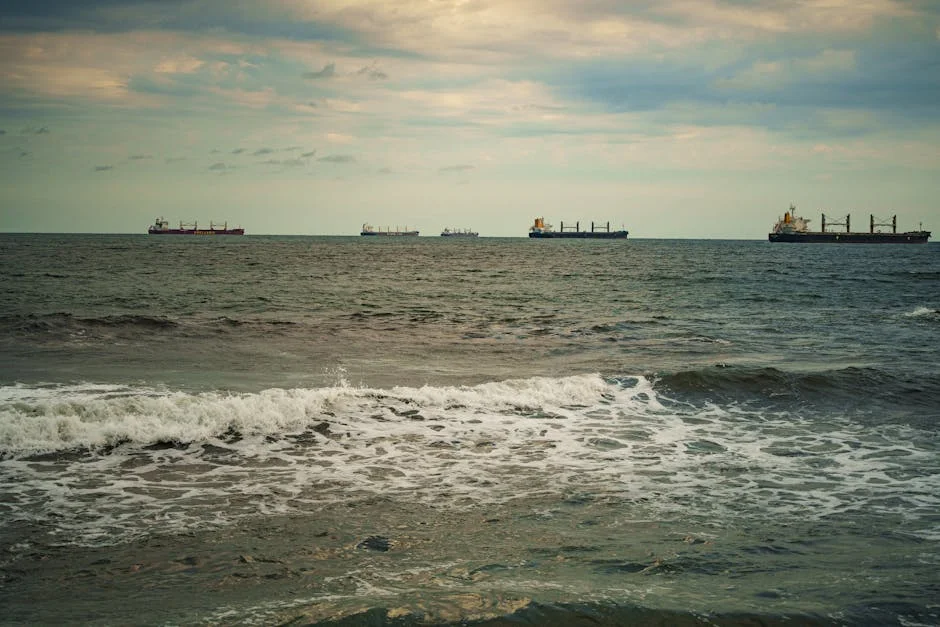
The toll system, managed by the United Arab Emirates, has been a source of contention. In 2023, the UAE increased toll rates for tankers, citing rising operational costs and the need to maintain infrastructure. However, Iran has long opposed the tolls, arguing that they are an unfair burden on regional shipping. The recent directive from Iran reflects a broader strategy to challenge external influence over the strait and to assert sovereignty over its maritime borders.
Impact on Regional and Global Trade
The potential disruption of toll payments could have far-reaching consequences for global trade. The Strait of Hormuz is a critical artery for oil exports from the Middle East, with countries like Saudi Arabia, Iraq, and Kuwait relying heavily on it. Any delay or obstruction in shipping could lead to price volatility in global oil markets. In 2022, a similar incident involving a tanker being detained near the strait led to a temporary spike in oil prices, highlighting the fragility of the region’s economic stability.
Shipping companies have responded cautiously. Some have opted to reroute vessels through alternative channels, such as the Bab al-Mandab Strait, which adds time and cost to their operations. Others are negotiating with local authorities to find a resolution. The International Chamber of Commerce (ICC) has called for dialogue to prevent escalation, warning that a breakdown in cooperation could lead to a humanitarian and economic crisis in the region.
Broader Implications for African Development
The situation in the Strait of Hormuz has direct implications for African development, particularly for countries that rely on stable oil supplies and low transportation costs. Many African nations, including Nigeria and South Africa, depend on affordable energy imports to fuel their growing economies. Any disruption in the flow of oil through the strait could lead to higher energy prices, affecting both consumers and industries across the continent.
The African Union (AU) has expressed concern over the potential impact on regional trade and economic growth. In a recent statement, AU Commissioner for Infrastructure and Energy, H.E. Amina J. Mohammed, emphasized the need for a coordinated response to ensure energy security. “Africa must remain vigilant and prepared for any disruptions in global supply chains,” she said. “We cannot afford to be caught off guard by geopolitical tensions that have far-reaching consequences.”
Security and Economic Risks
The security of the Strait of Hormuz is a key concern for both regional and global powers. In 2021, the United States and the UK launched a joint naval mission to protect commercial vessels in the area, following a series of attacks on oil tankers. The current situation has reignited fears of a potential conflict, with the International Maritime Organization (IMO) urging all parties to de-escalate tensions. The IMO has also called for increased surveillance and transparency to prevent incidents that could disrupt global trade.
Economically, the region faces a delicate balance. While Iran seeks to assert control, other countries, including the UAE and Oman, are investing in infrastructure to maintain their role as key transit hubs. The cost of these investments is passed on to shippers, which could lead to a ripple effect on global markets. For African nations, this means a need to diversify energy sources and strengthen regional partnerships to mitigate the risks of overreliance on a single supply route.
What to Watch Next
The coming weeks will be critical in determining how the situation in the Strait of Hormuz unfolds. Shipping companies are expected to make decisions on routes and toll payments by the end of the month. Meanwhile, the International Maritime Organization has scheduled a meeting on 15 May to discuss measures to ensure the safe passage of vessels. The African Union has also announced plans to hold a regional summit in June to address the impact of global energy supply disruptions on the continent.
For African development, the situation in the Strait of Hormuz is a stark reminder of the interconnectedness of global trade and local economies. As the region navigates these challenges, the need for resilience, cooperation, and strategic planning has never been more urgent.