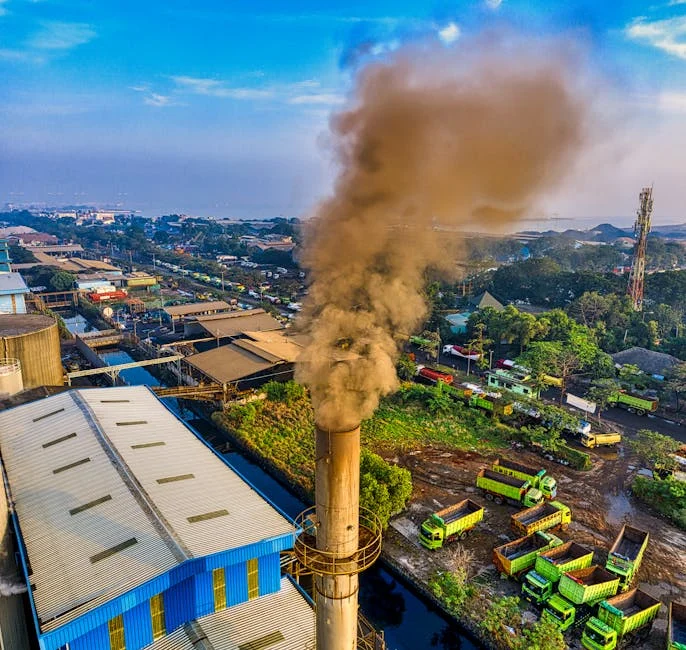
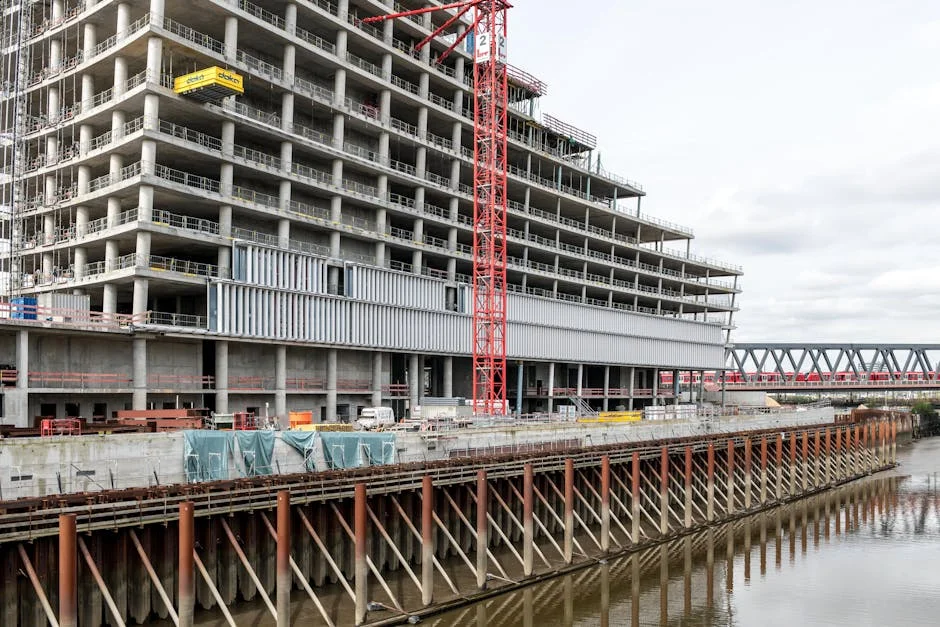
The Nigerian Army has deployed additional military teams to assist in clearing blocked roads in Lagos, as the city grapples with worsening infrastructure challenges. The move, announced by the Ministry of Defence on Monday, comes amid growing frustration over traffic congestion and the impact on daily life and economic activity. The operation, led by Colonel Umar Bello, aims to restore access to key transport routes and improve mobility in the nation’s commercial hub.
Infrastructure Crisis Hits Lagos Hard
Lagos, Africa’s largest city, is facing a severe infrastructure crisis. According to the Lagos State Traffic Management Authority, over 70% of major roads in the city are either partially or completely blocked due to debris, construction, and poor maintenance. The situation has worsened in recent months, with daily traffic delays averaging three hours, according to a 2024 report by the Lagos Business School. This has had a direct impact on businesses, with many reporting a 20% drop in productivity due to delays in deliveries and employee commutes.
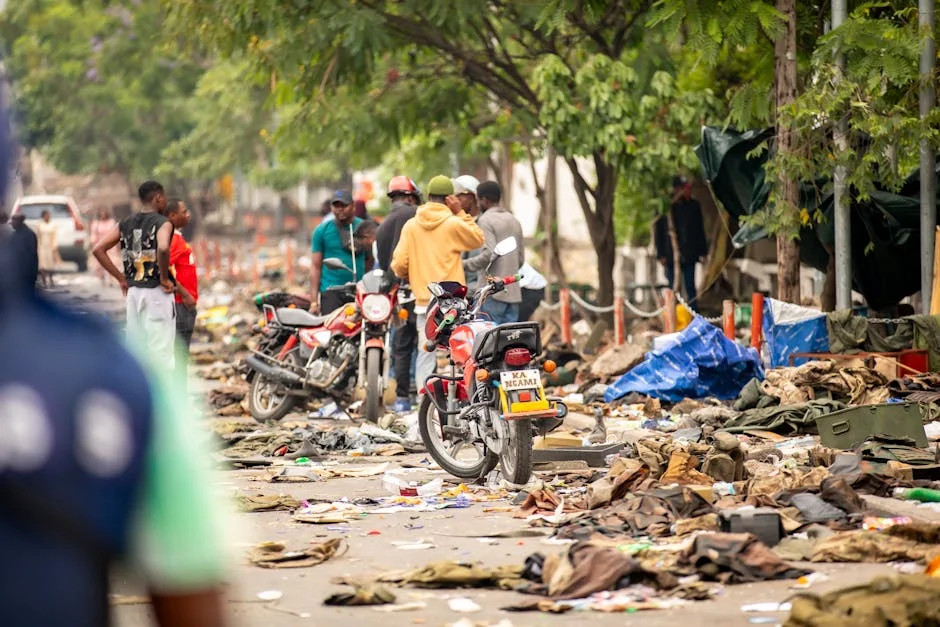
The Nigerian Army’s involvement marks a shift in how the government is addressing the issue. Colonel Bello, the head of the military’s civil assistance unit, said the teams are being used to clear roads in areas where civilian agencies have failed to act. “We are here to support the state government and ensure that essential routes remain open,” he said. The operation, which started last week, has focused on the Apapa and Ikorodu corridors, two of the most congested areas in the city.
Development Goals Under Threat
The infrastructure crisis in Lagos reflects broader challenges facing African development. The United Nations’ Sustainable Development Goal 9, which calls for resilient infrastructure, has been difficult to achieve across the continent. Nigeria, despite being Africa’s largest economy, ranks 148th out of 190 countries in the World Bank’s Logistics Performance Index, highlighting the urgent need for investment in transport and urban planning.
The deployment of military teams to clear roads is a short-term solution, but it raises questions about the government’s long-term strategy. Dr. Amina Yusuf, an urban development expert at the University of Ibadan, said the move shows a lack of coordination between military and civilian agencies. “This should not be the norm,” she said. “Infrastructure development requires sustained investment, not just temporary fixes.”
Public Reaction and Calls for Better Governance
Citizens in Lagos have mixed reactions to the military’s involvement. While many are grateful for the immediate relief, others are critical of the government’s failure to address the root causes of the problem. “We don’t want soldiers to clean our roads,” said Adesuwa Okoro, a local business owner. “We want our leaders to be accountable and to provide proper infrastructure.”
The situation has also sparked renewed calls for better governance and transparency. The Lagos State Governor, Babajide Sanwo-Olu, has pledged to invest N100 billion in road rehabilitation over the next two years. However, critics argue that without stronger oversight, the funds may not reach the intended projects. “We need more than promises,” said Tobi Adeyemi, a civil society advocate. “We need action and accountability.”
Challenges and Opportunities Ahead
The military’s involvement in road clearance highlights both the challenges and opportunities for infrastructure development in Nigeria. On one hand, it demonstrates the government’s willingness to take unconventional measures in times of crisis. On the other hand, it underscores the systemic failures that have left the country’s infrastructure in disrepair.
Experts suggest that the government should focus on long-term solutions, such as public-private partnerships and improved urban planning. The African Development Bank has already pledged support for several infrastructure projects in Nigeria, including a N50 billion road expansion initiative in Lagos. However, the success of these efforts will depend on the government’s ability to implement policies effectively and ensure transparency in spending.
What to Watch Next
The military’s road-clearing operation is set to continue for the next three weeks, with the Ministry of Defence planning to expand the effort to other states if needed. Meanwhile, the Lagos State Government is expected to release a detailed infrastructure budget by the end of the month. Citizens and civil society groups will be closely monitoring the situation, hoping for meaningful change rather than temporary fixes.
As the country moves forward, the challenge remains: how to turn short-term interventions into lasting progress. With the African Development Goals in focus, the success of Nigeria’s infrastructure efforts could serve as a model for other nations across the continent.