A new study has upended long-held assumptions about the oldest known octopus fossil, revealing that the specimen previously believed to be an octopus is, in fact, a different marine creature. The discovery, made by researchers at the University of Cape Town, challenges the scientific community’s understanding of cephalopod evolution and highlights the importance of re-examining historical data. The fossil, found in the Namibian desert, was initially dated to around 250 million years ago, but new analysis suggests it belongs to an entirely different species of ancient marine invertebrate.
Revisiting Scientific Assumptions
The research, led by Dr. Amina Ndebele, a marine paleontologist at the University of Cape Town, used advanced imaging techniques to re-examine the fossil. The team found that the structure of the specimen did not match that of an octopus, but instead resembled a type of ancient worm-like creature. “This is a major shift in our understanding of prehistoric marine life,” Ndebele said. “It shows how much we still have to learn about the origins of these complex animals.”
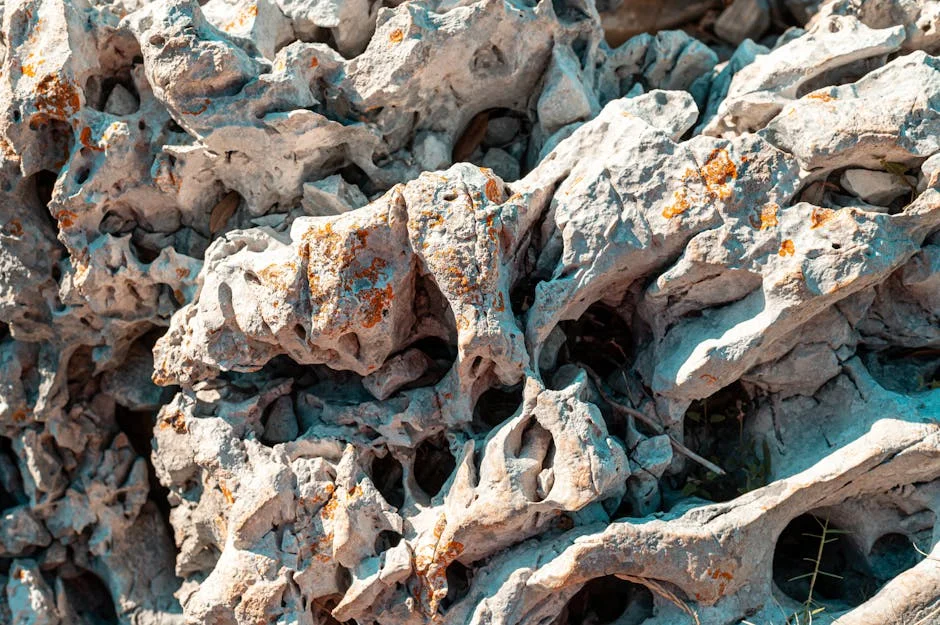
The fossil was originally discovered in 2017 during an expedition in the Namibian coastal region, a site known for its rich deposits of marine fossils from the Permian period. The initial classification was based on limited data and the assumptions of the time. The new study, published in the journal Palaeontology Today, has now prompted a global re-evaluation of similar fossils.
Implications for Scientific Research
The reclassification of the fossil has significant implications for how scientists study the evolution of marine life in Africa. The Namibian desert, a key site for paleontological research, has long been a focal point for understanding the transition of life from the ocean to land. This discovery adds a layer of complexity to the narrative, suggesting that earlier classifications may have been based on incomplete data.
Dr. Ndebele emphasized the importance of this finding for African scientific institutions. “This is a reminder that Africa’s natural history is still largely unexplored,” she said. “We have the potential to make groundbreaking discoveries that could reshape global scientific knowledge.”
The research also underscores the need for investment in African-led scientific initiatives. Currently, many paleontological studies in the region rely on international collaboration, but this discovery highlights the value of local expertise and resources. The South African Department of Science and Innovation has pledged to increase funding for research in the country’s fossil-rich regions.
Broader Impact on African Development
While the discovery may seem purely academic, it has broader implications for African development. The study highlights the importance of scientific research in driving innovation and economic growth. As Africa seeks to build a knowledge-based economy, investments in science and technology can unlock new opportunities for education, employment, and international collaboration.
The Namibian government has already begun to explore ways to leverage its fossil sites for tourism and education. A new museum in the coastal town of Swakopmund is set to open next year, showcasing the region’s rich paleontological history. “This is a chance to position Namibia as a hub for scientific research and cultural heritage,” said Minister of Environment and Tourism, Tjekero Tweya.
The discovery also raises questions about the accuracy of other historical classifications. If this fossil was misidentified, how many others might be? This calls for a renewed focus on scientific rigor and transparency in African research institutions.
Challenges and Opportunities
The reclassification of the fossil presents both challenges and opportunities for African science. On one hand, it highlights the need for better funding and infrastructure to support local research. On the other hand, it offers a chance to position Africa as a leader in paleontological and geological studies.
Experts suggest that the government and private sector must work together to create more research opportunities for young scientists. “We need to invest in the next generation of African scientists,” said Dr. Ndebele. “Only then can we fully realize the potential of our natural resources.”
What Comes Next?
The next steps for the research team include a broader survey of fossils in the Namibian desert and other regions across the continent. The goal is to identify more specimens that may have been misclassified in the past. This could lead to a more accurate understanding of marine life during the Permian period.
Meanwhile, the scientific community is calling for a re-evaluation of existing fossil records. The study is expected to influence future research and educational curricula, particularly in African universities. “This is a turning point for African paleontology,” said Dr. Ndebele. “We are just beginning to unlock the secrets of our ancient past.”
As the world watches, the implications of this discovery will continue to unfold. With increased investment and collaboration, Africa has the potential to make even more groundbreaking contributions to global science. What to watch next? The upcoming international paleontology conference in Nairobi, where this research will be presented to a global audience.