Nigeria has abruptly halted wheat imports as the country grapples with a deepening currency crisis and soaring inflation. The move, announced by the Federal Government, comes amid growing concerns over the stability of the naira and the rising cost of living. The decision has immediately triggered price hikes in bread and other staple foods across the nation, raising alarms among consumers and businesses alike.
The ban on wheat imports, a key component of Nigeria’s food security strategy, was framed as a move to boost local production and reduce dependence on foreign markets. However, critics argue that the sudden policy shift has exposed the fragility of Nigeria’s agricultural sector and the lack of preparedness to meet domestic demand. With the naira losing value against the dollar, the cost of importing essential goods has become unsustainable, forcing the government to take drastic measures.
Nigeria's Wheat Crisis: A Symptom of Broader Economic Challenges

The decision to halt wheat imports highlights the broader economic struggles facing Nigeria, Africa’s largest economy. The naira has depreciated by over 40% against the dollar in the past year, eroding purchasing power and fueling inflation. According to the National Bureau of Statistics, inflation reached 24.4% in March 2024, the highest in over a decade. This has led to a sharp rise in the cost of living, with basic commodities like bread, sugar, and cooking oil becoming unaffordable for many households.
Experts say the wheat import ban is a short-term fix that fails to address the root causes of Nigeria’s economic instability. “This is a symptom of a deeper problem,” said Dr. Chidi Nwabudike, an economist at the University of Lagos. “Without a coherent strategy to stabilize the naira and boost local production, this will only lead to more hardship for the average citizen.”
Impact on Food Security and Livelihoods
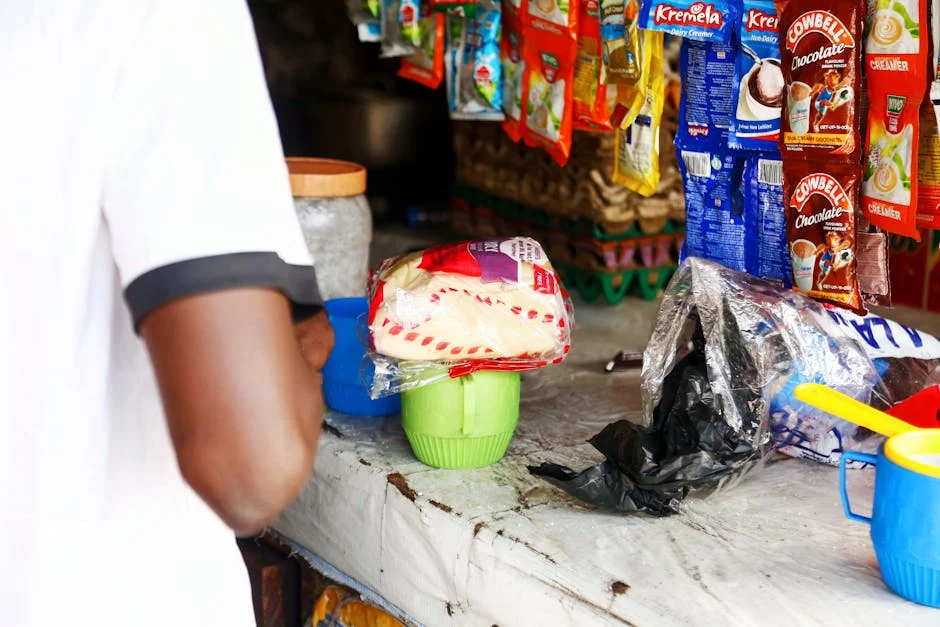
The wheat import ban has already led to a sharp increase in bread prices, with some bakeries raising prices by up to 30%. In major cities like Lagos and Abuja, long queues have formed outside bakeries as consumers rush to buy bread before prices rise further. The situation has also affected small-scale farmers and millers, who are struggling to meet the demand for locally produced flour.
Food security experts warn that the move could have long-term consequences for Nigeria’s ability to feed its growing population. “Wheat is a critical part of the Nigerian diet, especially in urban areas,” said Amina Musa, a food policy analyst. “Cutting off imports without a viable alternative could lead to shortages and further price volatility.”
Broader Implications for African Development
The situation in Nigeria reflects a wider challenge facing many African countries: the need to balance economic sovereignty with the realities of global trade. While many nations are pushing for greater self-reliance, the lack of infrastructure, technology, and investment often makes this difficult. The Nigerian government’s move to restrict wheat imports is a sign of the growing tension between economic pragmatism and the pursuit of food security.
For African development goals, the case of Nigeria underscores the importance of building resilient and diversified economies. The African Union’s Agenda 2063 emphasizes the need for sustainable industrialization and agricultural transformation, but progress has been slow. The current crisis highlights the urgency of investing in local production, improving supply chains, and strengthening regional trade partnerships.
What’s Next for Nigeria’s Economy?
As the government continues to implement its import restrictions, the focus will shift to how well local producers can meet the demand for wheat. The Central Bank of Nigeria has signaled its willingness to support local agriculture, but without significant investment, it is unclear whether this will be enough. Meanwhile, the International Monetary Fund (IMF) has called for broader economic reforms, including currency devaluation and fiscal discipline.
For now, the immediate concern is the rising cost of living and the impact on vulnerable populations. With inflation expected to remain high in the coming months, the government faces a difficult balancing act between protecting consumers and stabilizing the economy. The outcome of this crisis will have far-reaching implications not just for Nigeria, but for the continent as a whole.