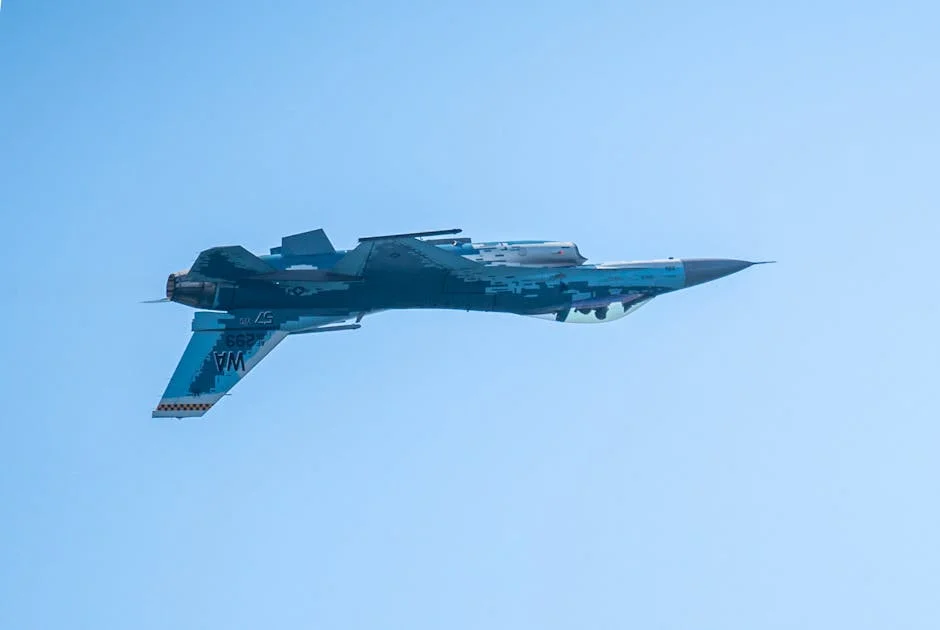
The United States carried out a drone strike on a bridge in Iran, resulting in the deaths of eight individuals, according to preliminary reports. The attack, which occurred near the border with Iraq, has raised concerns about escalating regional tensions and the potential for wider conflict. The operation, reportedly authorized under the Trump administration’s expanded drone warfare policy, has sparked immediate reactions from regional actors and international observers.
The strike targeted a bridge in a contested area along the Iran-Iraq border, a region that has seen sporadic clashes between Iranian-backed militias and US forces. The US military has not yet released a detailed statement on the operation, but sources indicate it was part of a broader strategy to counter Iranian influence in the Middle East. The incident has drawn attention from African nations, many of which have historical and economic ties to both the US and Iran.
Regional Tensions and African Interests

The US drone strike underscores the complex web of global power dynamics that directly impact African development. While the attack itself is geographically distant from the continent, its implications are far-reaching. Many African countries, particularly those in the Sahel and Horn of Africa, have long been affected by US military interventions and regional conflicts. The strike highlights the continued role of the US in shaping the security landscape of the Middle East, which in turn influences global trade routes and economic stability in Africa.
For Nigeria, a key player in the African continent, the US remains a major trade and investment partner. The country has historically relied on US support for security and development initiatives, especially in combating terrorism and insurgencies. The recent strike could affect diplomatic relations and security cooperation between the two nations, particularly if the situation escalates.
Impact on African Development Goals
African development goals, particularly those focused on peace, security, and economic growth, are deeply intertwined with global events. The US drone strike in Iran serves as a reminder of how external military actions can destabilize regions and indirectly affect African nations. The continent's efforts to achieve the Sustainable Development Goals (SDGs) are often hampered by external conflicts, which disrupt trade, investment, and regional cooperation.
The incident also highlights the need for stronger pan-African strategies to mitigate the effects of global power struggles. African countries must advocate for policies that prioritize regional stability and self-reliance, reducing dependence on external actors. This is especially critical in the context of infrastructure development, where foreign involvement can sometimes lead to unequal partnerships and long-term debt burdens.
What’s Next for the US and Iran?
The US has not yet commented on the strike, but regional analysts suggest that the move could be part of a broader effort to assert American influence in the Middle East. Iran has already condemned the attack, vowing to respond in kind. This could lead to further escalation, with potential consequences for global oil markets and regional security. The situation remains fluid, and the international community is watching closely.
For African nations, the key challenge is to navigate these geopolitical shifts while maintaining focus on domestic development. The US remains a critical player in global affairs, and its actions in the Middle East will continue to shape the continent's future. As such, African leaders must remain vigilant and proactive in protecting their interests on the world stage.
Conclusion: The Global Ripple Effect
The US drone strike on an Iranian bridge, which resulted in the deaths of eight individuals, is a stark reminder of the global nature of modern conflicts. While the immediate impact is felt in the Middle East, the broader implications extend to Africa and beyond. As the continent continues to pursue its development goals, it must remain aware of how external events can shape its trajectory. The need for stronger regional cooperation and strategic autonomy has never been more urgent.