The Nigerian Power Minister, Adekunle Adekoya, has unveiled a bold new energy strategy aimed at overhauling the nation’s electricity infrastructure, signaling a potential shift in how power is generated, distributed, and consumed across the country. The announcement comes amid persistent energy shortages, which have long hindered economic growth and development in Nigeria, a key player in Africa’s energy landscape.
Power Minister Unveils Ambitious Energy Reforms
The Power Minister’s strategy, detailed in a recent press briefing, outlines a multi-pronged approach to address the country’s energy challenges. Central to the plan is the modernization of the national grid, the expansion of renewable energy sources, and the decentralization of power generation to reduce reliance on the struggling distribution companies (DISCOs). The reforms also include a push for private sector participation and regulatory changes to attract investment in the energy sector.
“The current system is unsustainable,” Adekunle Adekoya stated. “We need to move beyond the outdated model of centralized power generation and distribution. This new strategy is about creating a resilient, efficient, and inclusive energy ecosystem that meets the needs of Nigerians today and in the future.”
Context: Nigeria’s Energy Crisis and Its Impact on Development
Nigeria’s energy crisis has long been a major obstacle to economic progress. Despite being Africa’s largest economy, the country struggles with frequent power outages, inefficient distribution, and a lack of investment in infrastructure. This has stifled industrial growth, limited access to education and healthcare, and hindered the achievement of several African development goals, including Sustainable Development Goal 7 (affordable and clean energy for all).
According to the World Bank, only about 55% of Nigerians have access to electricity, with rural areas disproportionately affected. The situation has also led to a reliance on expensive and polluting diesel generators, which further strains the economy and environment. The Power Minister’s strategy aims to tackle these challenges by promoting cleaner, more sustainable energy solutions.
Opportunities for Economic Growth and Regional Leadership
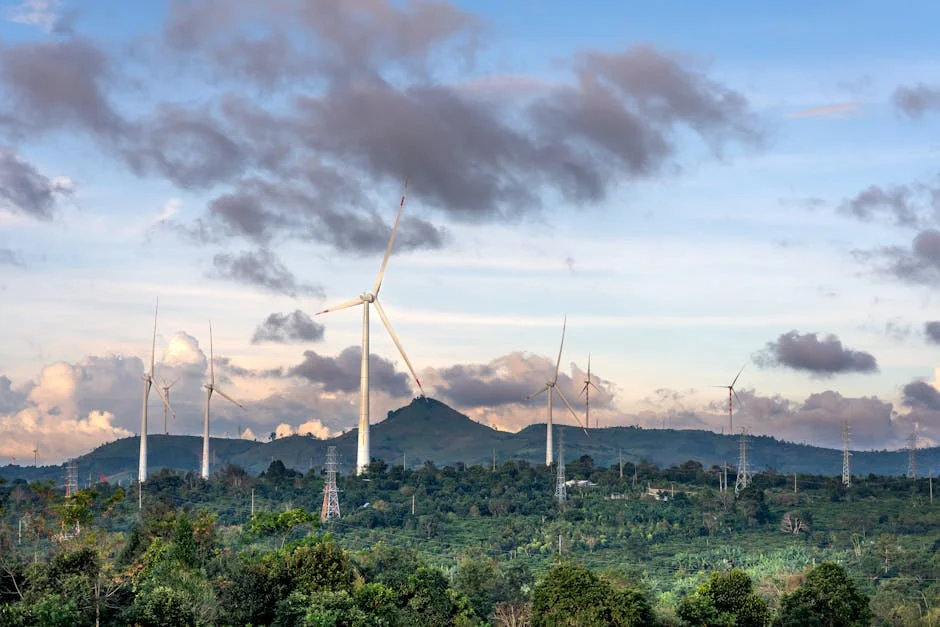
The proposed energy reforms present a significant opportunity for Nigeria to position itself as a leader in African energy development. By investing in renewable energy and modernizing the grid, the country could not only improve domestic energy security but also become a regional hub for clean energy innovation and export.
“This is a game-changer,” said Dr. Chidi Okoro, an energy policy expert. “If implemented effectively, the reforms could attract foreign investment, create jobs, and boost economic activity across various sectors. It’s a step towards aligning Nigeria’s energy policy with the broader goals of the African Union’s Agenda 2063, which emphasizes sustainable development and regional integration.”
Challenges and What to Watch Next
Despite the promising vision, the success of the Power Minister’s strategy will depend on several factors, including political will, regulatory clarity, and the ability to secure funding. There are also concerns about the potential impact on DISCOs, which have long been criticized for poor service and inefficiency. The government has not yet provided a clear roadmap for their role in the new energy landscape.
Analysts warn that without strong oversight and public engagement, the reforms could face resistance from stakeholders. “This is a critical moment for Nigeria’s energy sector,” said Adekunle Adekoya. “We must ensure that the transition is smooth, inclusive, and focused on the needs of all Nigerians.”