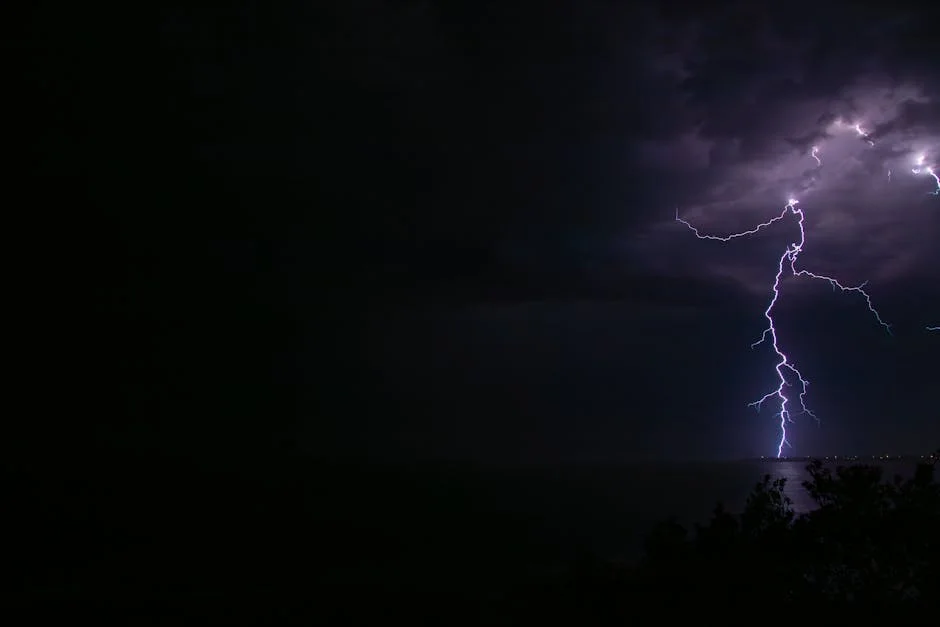
Nigeria is bracing for unseasonal rainfall and hailstorms next week, according to the Nigeria Meteorological Agency (NIMET). The unexpected weather patterns, which have been observed in several regions, are raising alarms among farmers, urban planners, and policymakers. The rain is expected to disrupt agricultural activities, which are critical to achieving the continent’s development goals, particularly in food security and rural livelihoods.
Unseasonal Rainfall Poses Threat to Agricultural Sector
The early arrival of heavy rain in April is causing concern for farmers who are in the midst of planting seasons. In states like Kano, Kaduna, and Oyo, the rain has already led to soil erosion and flooding in low-lying areas. This could impact crop yields and delay harvests, which are essential for meeting the African Union’s Agenda 2063 goals for sustainable agriculture and food security.
“The timing is critical. We are seeing rain in April, which is usually a dry month in many parts of the country,” said Dr. Adebayo Adeyemi, an agricultural scientist at the University of Ibadan. “This could disrupt planting schedules and affect the overall productivity of the sector.” The agricultural sector contributes about 25% to Nigeria’s GDP, making it a key pillar for economic growth and poverty reduction.
Urban Areas Face Flooding and Infrastructure Challenges
Urban centers, particularly Lagos and Abuja, are also experiencing the effects of the early rainfall. In Lagos, drainage systems are struggling to cope with the sudden downpours, leading to localized flooding in major commercial hubs. This highlights the need for improved urban infrastructure, a key component of the African Development Bank’s (AfDB) investment priorities in the region.
“The situation is a wake-up call for urban planners and local governments,” said Lagos State Governor Babajide Sanwo-Olu. “We need to invest more in climate-resilient infrastructure to prevent future disruptions.” The AfDB has identified urban resilience as a key priority in its 2023-2027 strategy, emphasizing the importance of adapting to climate change for sustainable development.
Climate Change and Development Goals
The unseasonal rainfall is part of a broader pattern of climate change impacts across Africa. The Intergovernmental Panel on Climate Change (IPCC) has warned that erratic weather patterns are becoming more frequent, threatening progress on the United Nations Sustainable Development Goals (SDGs), especially those related to poverty, hunger, and climate action.
“Nigeria’s experience is not unique,” said Dr. Nia Wambua, a climate policy expert at the African Climate Policy Centre. “Across the continent, we are seeing similar trends, and this calls for a coordinated response. African countries need to integrate climate resilience into their national development plans.”
What to Watch Next
The coming weeks will be crucial in determining the full impact of the early rainfall. Meteorologists are monitoring the situation closely, and the government has urged citizens to stay informed and take necessary precautions. The National Emergency Management Agency (NEMA) has also issued early warning alerts for flood-prone areas.
As the continent continues to grapple with the effects of climate change, the need for adaptive policies and infrastructure investments becomes more urgent. For Nigeria and other African nations, ensuring that development goals remain on track will depend on their ability to respond to these evolving challenges.