Marcada police unions in Lisbon have launched a nationwide protest against proposed cuts to police reforms, raising concerns over the stability of public safety and governance in the country. The demonstrations, which began on Monday, are the latest in a series of strikes by law enforcement agencies over budget reductions and policy changes. The unrest comes amid broader economic challenges in Portugal, where public sector workers are increasingly frustrated with austerity measures.
The protests, organized by the Estruturas sindicais (a major police union), have led to disruptions in traffic, delayed emergency services, and a growing sense of unease among citizens. The union claims the government's decision to reduce funding for police modernization and training will weaken the country's ability to tackle crime and maintain order. This development is particularly significant as it highlights the growing tension between public sector workers and the government, which is under pressure to balance the national budget amid rising inflation and debt.
Lisboa Explained: A City at a Crossroads
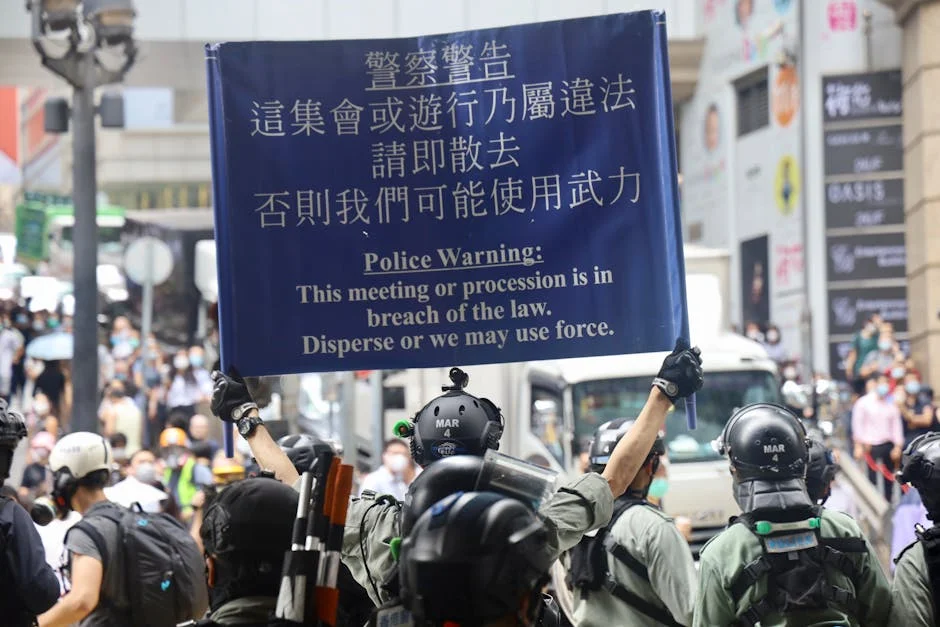
Lisboa, the capital of Portugal, is a city with a complex relationship between its government and public institutions. The recent protests reflect a broader trend of public sector dissatisfaction, especially in the wake of years of austerity. The city, known for its rich history and cultural heritage, is now grappling with the challenge of maintaining effective governance while managing economic constraints. The police unions' actions have put the spotlight on the government’s handling of public services, which is a key concern for African nations striving to build robust institutions.
The situation in Lisboa is not isolated. Many African countries face similar challenges in balancing public spending with the need for infrastructure and service development. The Portuguese government's approach to public sector reforms offers a cautionary tale for African policymakers, who must navigate the delicate balance between fiscal responsibility and the need to invest in public services that drive development.
How Marcada Affects Nigeria: A Parallel Struggle
While the protests in Lisboa are specific to Portugal, they resonate with the struggles of public sector workers in Nigeria and other African nations. In Nigeria, police unions have also staged strikes over pay disputes and demands for better working conditions. The country’s security forces, which play a critical role in maintaining order, are often underfunded and overburdened. The situation in Lisboa underscores the importance of sustainable public investment in law enforcement, a lesson that can be applied to Nigeria’s efforts to improve governance and security.
The impact of such protests on national stability cannot be ignored. In Nigeria, similar strikes have led to temporary lapses in public safety and increased vulnerability to crime. The government’s ability to address these concerns without resorting to heavy-handed tactics is crucial for maintaining public trust and ensuring long-term stability. The events in Lisboa serve as a reminder of the need for dialogue and transparency in public sector negotiations.
Marcada Analysis Nigeria: Lessons from the Streets
The protests in Lisboa highlight the growing demand for better working conditions and fair treatment of public sector workers, a sentiment echoed across Africa. In Nigeria, where the police and other public institutions are often seen as under-resourced and underpaid, the situation in Lisboa offers a valuable opportunity for reflection. The Nigerian government must consider how to balance fiscal discipline with the need to support its public services, which are essential for achieving the continent’s development goals.
Public sector reform is a key component of sustainable development, and the experiences of countries like Portugal can provide useful insights. For Nigeria, the challenge lies in ensuring that reforms do not come at the cost of public safety or institutional integrity. The events in Lisboa demonstrate that when public sector workers feel neglected, the consequences can be far-reaching, affecting not only their livelihoods but also the stability of the entire country.
What Is Lisboa? A City in Transition
Lisboa, the capital of Portugal, is a city with a rich cultural and historical legacy. It is home to a diverse population and serves as the political and economic heart of the country. However, like many major cities, it faces challenges related to public service delivery, economic inequality, and political instability. The recent protests by police unions have brought these issues to the forefront, illustrating the complex interplay between governance, public service, and social stability.
For African readers, Lisboa’s situation offers a lens through which to understand the broader challenges of public sector reform. As African nations continue to build their institutions and invest in infrastructure, the experiences of cities like Lisboa can provide valuable lessons. The key takeaway is that sustainable development requires not only economic investment but also a commitment to fair and effective governance that prioritizes the well-being of public sector workers and the communities they serve.