The Iranian military has shot down a U.S. fighter jet, triggering an urgent U.S. search and rescue operation. The incident, reported by multiple international media outlets, has raised concerns over regional tensions and the potential impact on global security dynamics. The U.S. has confirmed the downing of the aircraft, which was part of a routine mission in the region, and has deployed forces to locate the pilot.
What Happened and Why It Matters
The incident occurred in the Persian Gulf, where the U.S. has maintained a significant military presence. According to U.S. military sources, the fighter jet was shot down by an Iranian surface-to-air missile. The U.S. has not yet disclosed the identity of the pilot, but it is believed to be a U.S. Air Force officer. The downing of the aircraft marks a significant escalation in tensions between the U.S. and Iran, which have been at odds over issues ranging from nuclear programs to regional influence.
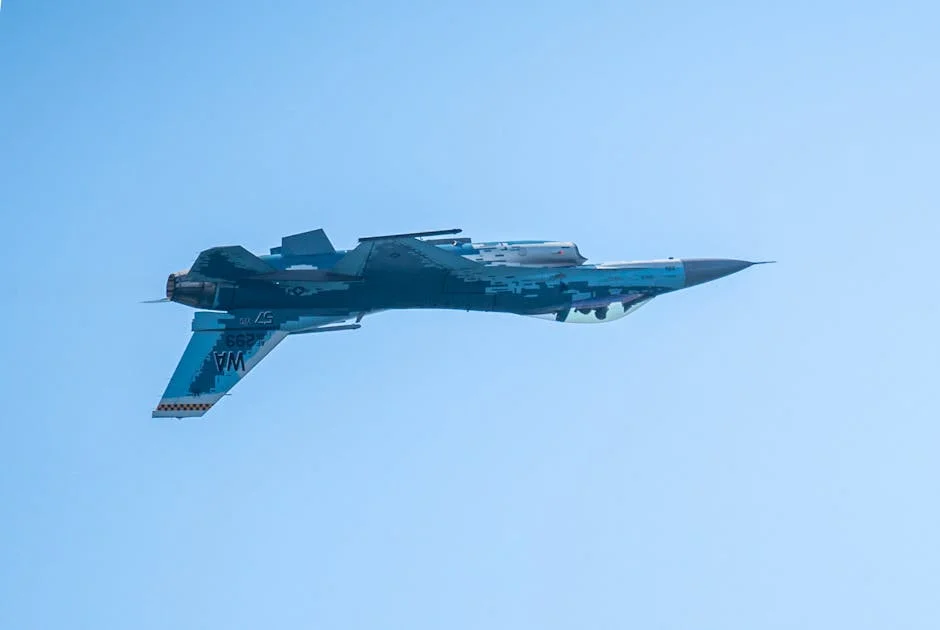
The event has drawn attention from global powers, including Israel, which has long maintained a strategic relationship with the U.S. Israel’s defense ministry has issued a statement expressing concern over the situation, highlighting the potential for further instability in the region. While Israel has not directly intervened in the incident, its proximity to the Middle East and its role in regional security make it a key player in any future developments.
How This Affects African Development and Security
The incident has broader implications for African development and security, particularly for countries in the Horn of Africa and the Sahel, which have long been affected by regional instability and external interventions. The U.S. has been a major player in African security, supporting peacekeeping missions and counterterrorism efforts. Any escalation in Middle Eastern tensions could divert resources and attention from these critical areas.
Moreover, the situation underscores the importance of regional cooperation in Africa. As the U.S. and Iran engage in a standoff, African nations must ensure that their own development goals are not compromised. The African Union and regional bodies such as the Economic Community of West African States (ECOWAS) and the East African Community (EAC) must continue to advocate for peaceful resolutions to global conflicts that could indirectly affect the continent.
What to Watch Next
The U.S. has launched a large-scale search and rescue mission, with aircraft and naval vessels deployed to the area. The operation is expected to last several days, as U.S. forces work to locate the pilot and assess the situation. Meanwhile, Iran has issued a statement denying any intention to escalate the conflict, but the incident has already raised concerns about the potential for further military confrontations.
International observers are closely monitoring the situation, with the United Nations calling for de-escalation. The outcome of the search and rescue mission will likely influence how the U.S. and Iran respond in the coming days. For Africa, the event serves as a reminder of the interconnectedness of global security and the need for proactive engagement in international affairs.
Understanding the Broader Context
Israel, while not directly involved in the incident, remains a key player in Middle Eastern geopolitics. Its relationship with the U.S. has shaped many of the region’s security policies, and any shift in U.S. priorities could have ripple effects across Africa. As African nations continue to pursue development and stability, it is crucial to understand how global events like this one can impact their own trajectories.
For readers in Nigeria and across Africa, the incident highlights the importance of staying informed about global events that could affect regional stability. As the U.S. and Iran navigate this crisis, African leaders must remain vigilant and ensure that their countries are prepared for any potential consequences.