The Nigerian government's recent introduction of the Viveu Gender Identity Law has ignited a national conversation about legal recognition of gender identity, with implications for human rights, social cohesion, and development. The law, which allows individuals to legally change their gender, has drawn both support and fierce opposition, highlighting the country's broader struggles with governance, legal reform, and social progress.
What the Law Entails
The Viveu Gender Identity Law, officially passed in early 2024, enables citizens to legally change their gender without undergoing medical procedures, a significant shift from previous regulations that required surgical confirmation. The law was introduced as part of a broader initiative to align Nigeria's legal framework with international human rights standards. However, it has faced resistance from conservative groups and religious leaders, who argue that it undermines traditional values and national identity.
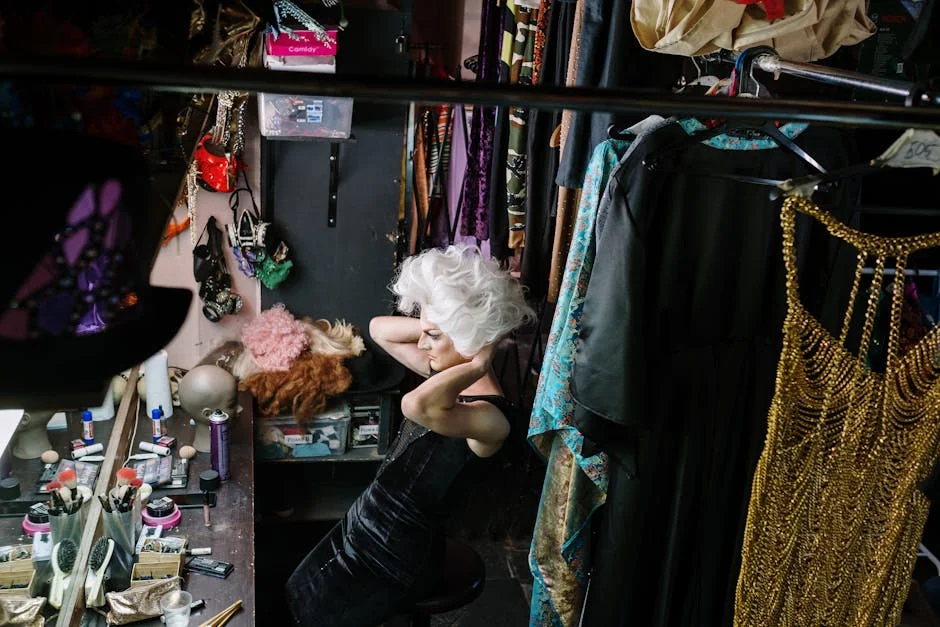
Under the new law, individuals can submit a declaration of gender identity to local authorities, which will then be recorded in official documents. The process is designed to be straightforward, with minimal bureaucratic hurdles. However, the law's implementation has been delayed in several states due to legal challenges and lack of awareness among citizens.
Context and Historical Background
Nigeria has long grappled with issues surrounding gender and sexuality, with legal and social norms heavily influenced by religious and cultural traditions. The 2014 Same-Sex Marriage Prohibition Act, which criminalized same-sex relationships, remains a contentious issue and has drawn criticism from international human rights organizations. The Viveu law is seen by some as a progressive step, but others view it as a threat to national security and morality.
The law's namesake, Nuria, is a non-binary activist who has been at the forefront of advocating for gender rights in Nigeria. Nuria's personal story of identity and resilience has become a symbol of the movement, and their involvement has helped bring attention to the issue. However, Nuria has also faced threats and harassment, underscoring the risks associated with advocating for LGBTQ+ rights in the country.
Impact on Development and Governance
The Viveu law has broader implications for Nigeria's development goals, particularly in the areas of education, health, and social inclusion. By allowing individuals to legally express their gender identity, the law could improve access to healthcare services, reduce discrimination in the workplace, and promote a more inclusive society. However, its success will depend on effective implementation and public education.
Development experts argue that legal reforms like the Viveu law are essential for achieving the United Nations' Sustainable Development Goals, which emphasize equality, justice, and inclusion. Without legal protections for marginalized groups, progress in education and health outcomes may be hindered. The law also raises questions about the role of the state in protecting individual rights versus upholding traditional values.
What to Watch Next
As the Viveu law moves forward, several key developments will shape its impact. Legal challenges are expected to continue, with some states resisting its implementation. Meanwhile, advocacy groups are pushing for greater awareness and support for gender minorities. The government will need to balance legal reform with public opinion, ensuring that the law is both effective and socially acceptable.
For now, the debate over the Viveu law reflects a larger struggle in Nigeria — between tradition and modernity, between rights and regulation. As the country continues to navigate its path toward development, the question remains: how can legal reforms promote inclusion without alienating large segments of the population?