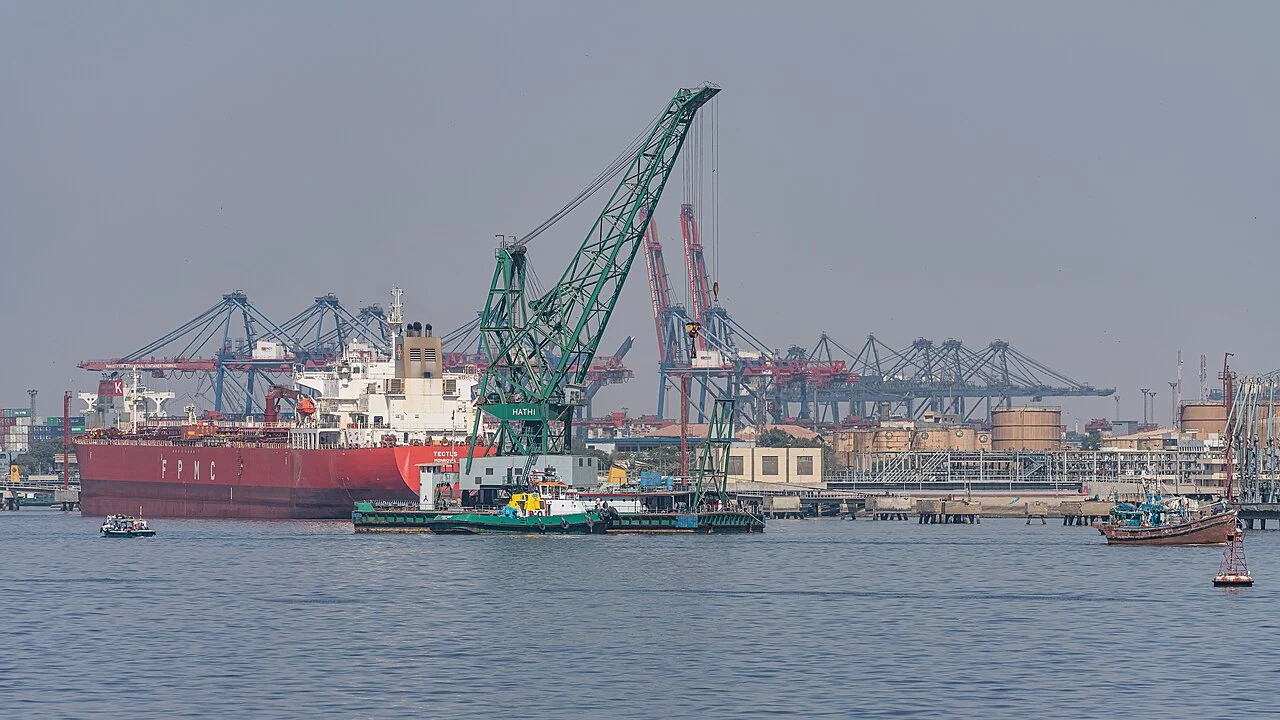
The Indian Rupee climbed 151 paise against the US dollar, reaching 93.19 on Monday, as the Reserve Bank of India (RBI) intervened to stabilise the currency amid rising inflation and global economic uncertainty. The move comes as the central bank continues to balance domestic economic needs with external pressures, including a widening trade deficit and fluctuating foreign exchange reserves.
The RBI's decision to strengthen the rupee reflects its broader strategy to curb inflation and support economic growth. With global markets volatile and the US dollar remaining strong, the central bank has taken measures to prevent excessive depreciation, which could worsen the cost of living for millions of Indians. This intervention highlights the critical role of central banks in managing economic stability, a challenge that many African nations also face as they strive for sustainable development.
Reserve Bank's Role in Economic Stability

The Reserve Bank of India, established in 1935, is the country's central banking institution responsible for regulating the monetary policy, issuing currency, and maintaining financial stability. Its decisions have a direct impact on inflation, interest rates, and the overall health of the economy. For African countries looking to build resilient economies, the RBI's approach offers a case study in managing currency fluctuations and inflation without stifling growth.
Analysts note that the RBI's recent actions are part of a broader trend where central banks are becoming more proactive in addressing economic shocks. This is particularly relevant for African nations, which often face similar challenges, such as reliance on commodity exports and vulnerability to global market shifts. A stable currency is essential for attracting foreign investment and supporting local industries, both of which are key components of the African Development Goals (AfDB).
Despite Economy Update: A Global Perspective
Despite the Indian economy's challenges, including inflation and a slowdown in manufacturing, the rupee's recent rise signals a cautious optimism. The RBI's intervention has helped ease some of the pressure on the currency, although experts warn that long-term stability will depend on broader economic reforms. This situation echoes the struggles of many African economies, which also grapple with inflation, currency volatility, and external debt.
For African nations, the RBI's actions underscore the importance of strong governance and fiscal discipline. Countries like Nigeria, which also rely heavily on foreign exchange, can learn from India's approach to managing currency pressures. As the continent works toward achieving the United Nations' Sustainable Development Goals (SDGs), particularly in areas like economic growth and reduced inequality, a stable financial system is essential.
What Is the Reserve Bank and How Does It Affect Nigeria?
The Reserve Bank of India, while specific to India, shares similarities with central banks in African countries, such as the Central Bank of Nigeria (CBN). Both institutions are tasked with maintaining monetary stability, controlling inflation, and supporting economic growth. However, the CBN faces unique challenges, including a weaker naira, a reliance on oil exports, and a growing informal economy.
For Nigerian readers, understanding the role of the Reserve Bank can provide valuable insights into how central banks influence everyday life. A strong currency can reduce the cost of imports, lower inflation, and boost investor confidence. These factors are crucial for achieving the African Union's Agenda 2063, which aims to foster inclusive growth and sustainable development across the continent.
What to Watch Next: The Path Ahead
As the RBI continues to monitor the rupee's performance, the focus will shift to how the Indian economy responds to these interventions. Will the strengthened currency lead to lower inflation, or will it strain export sectors? These questions are relevant for African economies as well, where similar decisions can have far-reaching consequences.
For African nations, the lessons from India's central bank are clear: a stable currency is a cornerstone of economic development. As more countries look to diversify their economies and reduce dependency on volatile markets, the role of central banks will only become more critical. The coming months will be a key test for both India and African nations in navigating the complex landscape of global finance.