The Nigerian healthcare system is facing a growing crisis as waiting times for critical surgeries have doubled, according to recent reports. The issue, attributed to a lack of resources and inadequate infrastructure, has sparked concerns over the country's ability to meet its health development goals. With only two priority levels for surgeries, patients with urgent conditions are facing prolonged delays, raising questions about the effectiveness of current health policies.
Healthcare System Under Strain
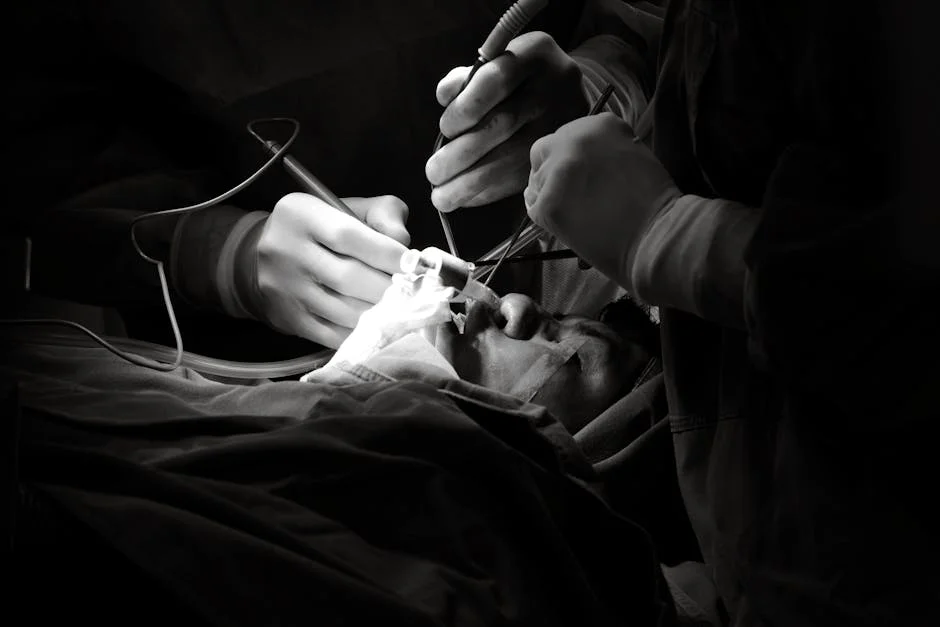
The surge in waiting times for critical surgeries has been linked to a shortage of medical personnel, outdated equipment, and insufficient hospital capacity. In Lagos, one of the country’s most populous cities, hospitals are overwhelmed, with many patients forced to wait weeks or even months for essential procedures. This has led to worsening health outcomes and increased mortality rates among those who require timely interventions.
Dr. Adebayo Adeyemi, a senior surgeon at Lagos University Teaching Hospital, said, “We are seeing a significant backlog, and it's putting immense pressure on our staff and facilities. Without immediate intervention, the situation will continue to deteriorate.”
Impact on African Development Goals
The doubling of surgery waiting times highlights a broader challenge in achieving the United Nations’ Sustainable Development Goals (SDGs), particularly Goal 3 on good health and well-being. Nigeria, as Africa’s most populous country, plays a critical role in the continent’s development trajectory. A weak healthcare system not only affects individual patients but also hampers economic productivity and long-term growth.
Experts argue that without investment in healthcare infrastructure, Nigeria will struggle to meet its national and continental health targets. The World Health Organization has called for urgent reforms, including better funding, improved staffing, and the adoption of digital health systems to streamline patient care.
Efforts to Address the Crisis
The Nigerian government has announced plans to address the backlog, including the allocation of additional funds for hospital upgrades and the recruitment of more medical staff. However, implementation has been slow, and many experts remain skeptical about the effectiveness of these measures.
Private sector involvement is also being explored, with some hospitals partnering with international organizations to improve service delivery. Despite these efforts, the scale of the problem remains daunting, and many patients continue to face long waits for life-saving procedures.
What’s Next for Tempo and Nigeria’s Healthcare?
As the situation continues to evolve, the focus remains on how Nigeria can improve its healthcare system to meet the needs of its growing population. The government must prioritize transparency and accountability in the allocation of resources, while also investing in long-term solutions such as telemedicine and public health education.
For now, the doubling of surgery waiting times serves as a stark reminder of the challenges facing Nigeria’s healthcare sector. With the right policies and sustained investment, there is potential for meaningful progress, but the path forward will require urgent and coordinated action.