Nigeria has taken a decisive step in its ongoing debate over technology in education by banning the use of Chromebooks in public schools, citing concerns over digital dependency and the erosion of traditional learning methods. The move comes as part of a broader tech backlash that has seen parents, educators, and policymakers question the role of digital devices in classrooms, with some arguing that the shift has harmed student engagement and learning outcomes.
Chromebook Remorse: A Growing Concern
The term "Chromebook Remorse" has gained traction in Nigeria as schools across the country have struggled with the unintended consequences of relying heavily on digital tools. Introduced as a cost-effective solution to bridge the digital divide, Chromebooks were initially seen as a way to modernize education. However, recent reports show that many students are struggling to keep up with the technology, while teachers face challenges in integrating digital content into traditional curricula.
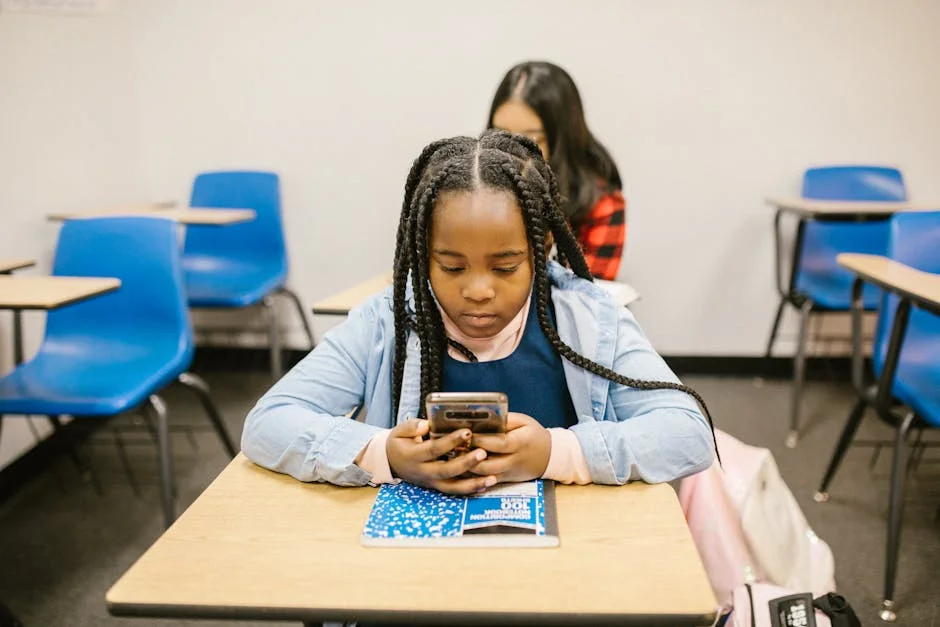
Education officials in Lagos and Kano have reported a rise in student frustration and a decline in basic literacy skills. "We've seen a generation of students who can navigate apps but struggle with reading and writing," said Dr. Amina Yusuf, a senior education advisor. "This is a wake-up call for us to reassess our approach to technology in education."
Why Chromebook Remorse Matters for Africa
The issue of Chromebook Remorse is not just a local concern but one that resonates with broader African development goals. As many African nations strive to improve education and digital literacy, the debate over technology in schools highlights the need for a balanced approach. While digital tools can enhance learning, their overuse without proper training and infrastructure can deepen existing inequalities.
African governments are increasingly aware of the need for a hybrid model that combines digital resources with traditional teaching methods. The Nigerian ban on Chromebooks reflects a growing recognition that technology should support, not replace, the fundamentals of education. This shift aligns with the African Union's Agenda 2063, which emphasizes quality education and skills development as key drivers of sustainable growth.
Challenges and Opportunities in Tech Integration
The backlash against Chromebooks underscores the challenges of integrating technology into education systems that lack the necessary infrastructure and training. In many parts of Africa, internet access is inconsistent, and schools often lack the technical support to maintain digital devices. These limitations have led to frustration among both students and teachers, who feel that the technology is not delivering the promised benefits.
However, the crisis also presents an opportunity for innovation. Some schools in Nigeria are exploring alternative solutions, such as offline learning platforms and teacher-led digital literacy programs. These initiatives aim to ensure that technology is used effectively without compromising the quality of education. "We need to focus on building capacity, not just distributing devices," said Professor Chidi Okoro, an education technology expert.
Looking Ahead: What Comes Next?
The Nigerian government has announced plans to review its education technology policies and develop a more structured approach to digital learning. This includes investing in teacher training, improving internet connectivity, and creating a framework for evaluating the effectiveness of digital tools in classrooms.
For now, the ban on Chromebooks has left many schools scrambling to adjust. Some have turned to textbooks and traditional methods, while others are experimenting with low-cost digital alternatives. As the debate continues, the key question remains: How can African nations harness technology to support education without undermining the very systems they aim to improve?