The Nigerian Central Bank has issued a stark warning that a spiraling inflation rate could undermine the nation's economic growth, raising concerns about the stability of the West African giant's development trajectory. The warning comes as the country grapples with rising costs of living, fuel shortages, and a weakening naira, all of which threaten to derail progress toward key African development goals.
What is the Story?

The National Bureau of Statistics reported that inflation in Nigeria hit a 17-year high of 27.3% in April 2024, driven by rising food and fuel prices, supply chain disruptions, and a depreciating currency. The Central Bank of Nigeria (CBN) has responded by raising interest rates and tightening monetary policy, but the measures have not yet stemmed the inflationary pressures. The CBN Governor, Godwin Emefiele, has repeatedly warned that without decisive action, the economy could face a prolonged downturn.
The inflation crisis is not isolated to Nigeria. Across Africa, many countries are facing similar challenges, with inflation rates averaging 10.6% in 2024, according to the African Development Bank. This has raised concerns about the continent's ability to meet the Sustainable Development Goals (SDGs), particularly those related to poverty reduction, food security, and economic resilience.
The Story Explained
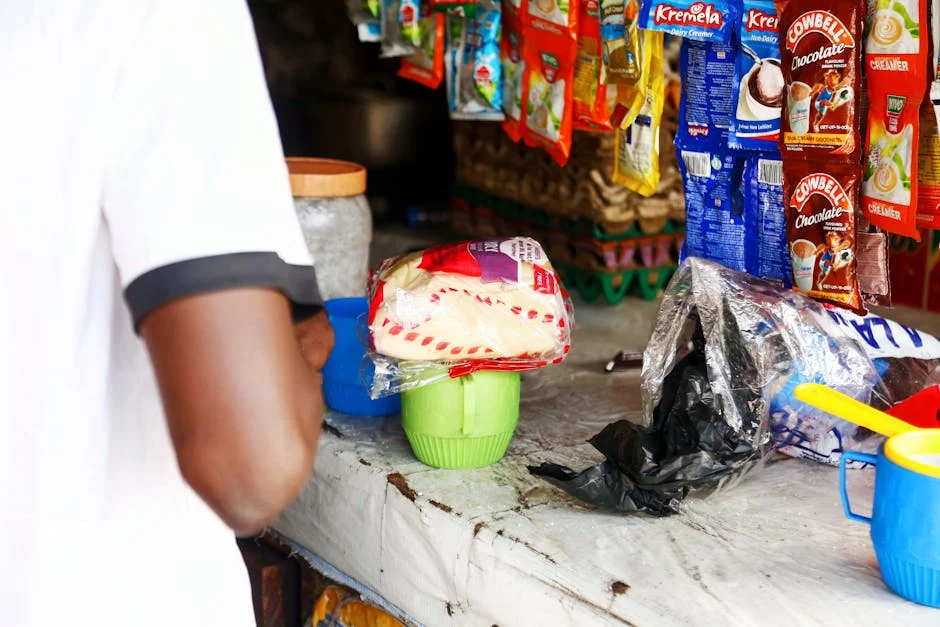
The current inflationary spiral in Nigeria is rooted in a combination of domestic and global factors. Domestically, the country’s reliance on imported goods, especially food and fuel, has made it vulnerable to external shocks. The depreciation of the naira has further exacerbated the situation, making imports more expensive and pushing up the cost of living. Globally, rising interest rates in the US and Europe have led to capital flight from emerging markets, including Nigeria, which has contributed to the naira’s decline.
The CBN’s efforts to combat inflation have included a series of interest rate hikes, which are intended to reduce money supply and curb demand. However, these measures have also led to higher borrowing costs for businesses and consumers, which could stifle investment and growth. The challenge for policymakers is to balance inflation control with the need to support economic activity and job creation.
The Story Latest News
In recent weeks, the Nigerian government has announced a series of interventions to ease the pressure on households and businesses. These include subsidies on fuel and food, as well as measures to boost local production and reduce reliance on imports. However, experts warn that these short-term fixes may not be enough to address the underlying structural issues driving inflation.
The African Development Bank has urged Nigeria to adopt a more comprehensive approach to economic management, including reforms to improve governance, enhance public financial management, and invest in infrastructure. The bank has also called for greater regional cooperation to stabilize regional markets and reduce the impact of global shocks on African economies.
The Story
For Africa, the situation in Nigeria is a microcosm of the broader challenges facing the continent. As the largest economy in Africa, Nigeria’s performance has a ripple effect on the entire region. A sustained period of high inflation and slow growth in Nigeria could have far-reaching consequences, including reduced trade, increased poverty, and social unrest. This underscores the need for coordinated action across the continent to address shared economic challenges and promote inclusive growth.
Looking ahead, the key will be to implement policies that not only control inflation but also foster long-term development. This includes investing in education, healthcare, and infrastructure, as well as promoting private sector growth and innovation. Without such efforts, the continent’s development goals will remain out of reach, and the risk of economic instability will continue to loom over African nations.