Iran has launched a series of fresh missiles targeting southern Israel, according to a live report from the region. The attack marks a significant escalation in the ongoing conflict between the two nations, with regional stability now under increasing strain. The incident comes amid heightened tensions in the Middle East, raising concerns about broader implications for global security and diplomatic relations.
What Happened and Why It Matters
The fresh missile strikes were reported by multiple news outlets, with Israeli authorities confirming the attacks on military and civilian infrastructure in the south. The Israeli Defence Forces (IDF) have reportedly launched countermeasures, but the extent of damage remains unclear. This is the first major exchange of missiles between the two nations in months, signaling a potential shift in regional dynamics.
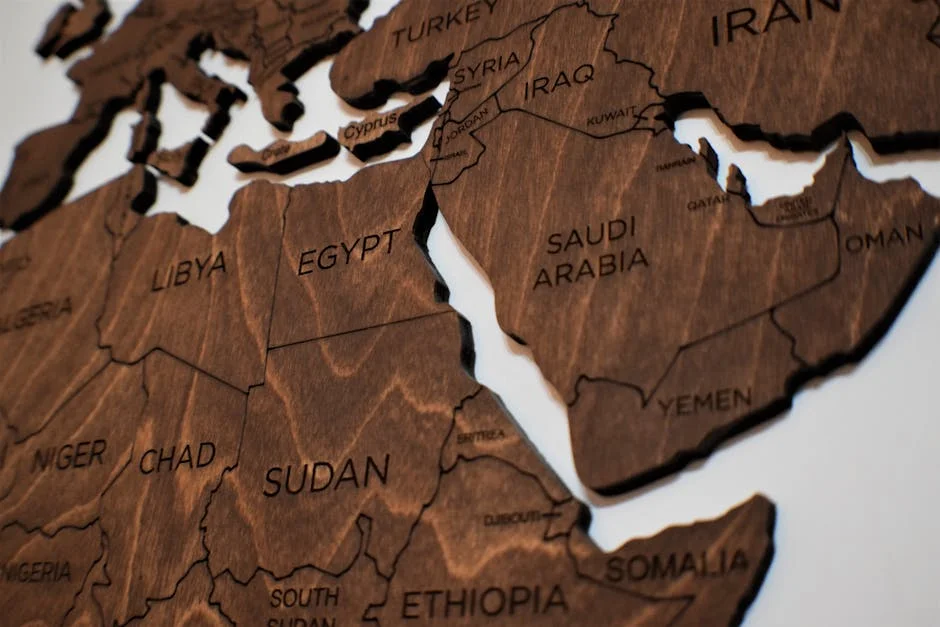
The attacks are seen as a response to recent Israeli military operations in the region, particularly those targeting Iranian-backed groups in Syria and Lebanon. Analysts suggest that the move could further destabilize an already fragile geopolitical landscape, with repercussions for global energy markets and international diplomacy.
Context and Regional Implications
Iran and Israel have been in a state of hostility for decades, with both nations frequently accusing each other of supporting militant groups and destabilizing the region. The fresh missile strikes are a stark reminder of the deepening divide, particularly as the Middle East grapples with ongoing conflicts in Yemen, Syria, and the broader Arab-Israeli dispute.
The incident also raises concerns for African nations, many of which have significant trade and diplomatic ties with both Israel and Iran. For African development goals, regional instability can disrupt supply chains, affect investment flows, and complicate efforts to build sustainable infrastructure and economic growth.
What This Means for African Development
Africa’s development agenda is increasingly intertwined with global security and economic stability. The fresh missile strikes could lead to increased military spending in the region, diverting resources away from critical sectors such as education, healthcare, and infrastructure. Additionally, any escalation in the Middle East could lead to higher oil prices, affecting African economies that rely heavily on energy imports.
From a pan-African perspective, the incident underscores the need for stronger regional cooperation and conflict resolution mechanisms. African leaders must advocate for peaceful solutions and ensure that the continent is not caught in the crossfire of external conflicts. This calls for greater investment in diplomacy, security, and economic resilience across the continent.
What to Watch Next
The international community is closely monitoring the situation, with the United Nations and regional organizations urging restraint. The US and European powers have called for de-escalation, while Iran and Israel continue to exchange accusations. The next few days will be critical in determining whether the conflict remains contained or spirals into a larger regional war.
African nations must remain vigilant and prepare for potential spillover effects, including refugee flows, economic shocks, and political instability. The continent’s development goals will depend on its ability to navigate these challenges while maintaining focus on long-term growth and regional unity.