Four prominent African artists — Lara Dâmaso, Nídia, Dj Firmeza, and Helviofox — will take part in the 2025 Venice Music Biennale, marking a significant cultural milestone for the continent. The event, which runs from June to September, is one of the most prestigious platforms for contemporary music and artistic expression in Europe. This participation highlights the growing influence of African music on the global stage and offers new opportunities for cultural exchange and development across the continent.
What is the Bienal and Why Does It Matter?
The Bienal, or Venice Music Biennale, is a renowned international music festival that brings together artists, composers, and musicians from around the world. Established in 1930, the event has become a key platform for innovation and artistic dialogue. For African artists, participating in the Bienal is more than just a performance — it is a chance to gain global recognition, access new markets, and foster collaborations that can boost the continent’s creative industries.
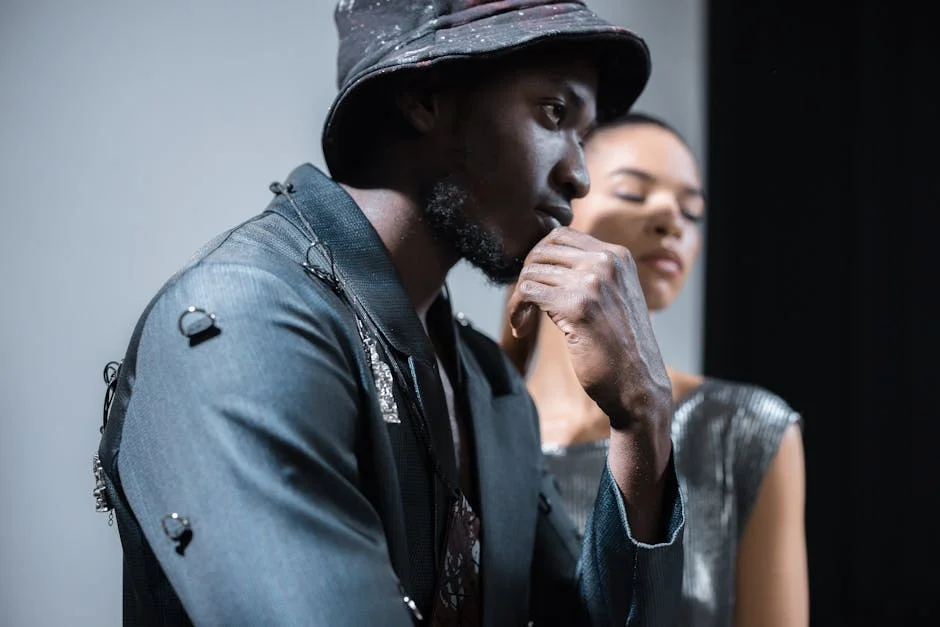
The inclusion of African artists in this high-profile event reflects broader efforts to increase representation and visibility for African talent on the world stage. This is particularly important for Nigeria, where the music industry is one of the fastest-growing in Africa. The success of artists like Nídia and Helviofox, who have gained international acclaim, underscores the potential for African musicians to shape global cultural narratives.
How the Bienal Affects Nigeria's Cultural and Economic Development
The participation of Nigerian artists in the Bienal aligns with broader African development goals, including the promotion of cultural industries as a driver of economic growth. The African Union’s Agenda 2063 emphasizes the role of culture in sustainable development, and events like the Bienal provide a platform to advance this vision. For Nigeria, which is home to one of the largest music markets in Africa, this exposure can lead to increased investment, international partnerships, and job creation in the creative sector.
Moreover, the Bienal offers a chance for Nigerian artists to engage with global audiences and learn from international peers. This exchange can help address some of the challenges facing the continent’s creative industries, such as limited access to funding, inadequate infrastructure, and underdeveloped distribution networks. By showcasing their work on a global stage, these artists can also challenge stereotypes and promote a more nuanced understanding of African culture.
What This Means for Africa’s Cultural Identity and Global Standing
The presence of African artists at the Bienal is a powerful statement about the continent’s growing cultural influence. It signals a shift from the traditional narratives that have often marginalized African voices in global cultural discourse. Instead, it highlights the richness and diversity of African music, which spans genres from Afrobeat to highlife and hip-hop.
This visibility can also contribute to the broader goals of pan-Africanism, which seeks to unite African nations through shared cultural and economic interests. By participating in events like the Bienal, African artists can help build a more cohesive cultural identity and foster a sense of solidarity across the continent. This, in turn, can support efforts to address common challenges such as poverty, inequality, and political instability.
What to Watch Next: The Future of African Music on the Global Stage
The participation of these four artists in the Bienal is just the beginning. As more African musicians gain international recognition, the continent’s cultural footprint is likely to grow even further. This trend presents both opportunities and challenges for African nations, particularly in terms of how to support and sustain the creative industries.
For Nigeria, the key will be to leverage this global exposure to build stronger institutions that support artists, from better copyright protections to improved access to international markets. At the same time, the continent must continue to invest in education and infrastructure to ensure that the next generation of African musicians can thrive on the global stage.