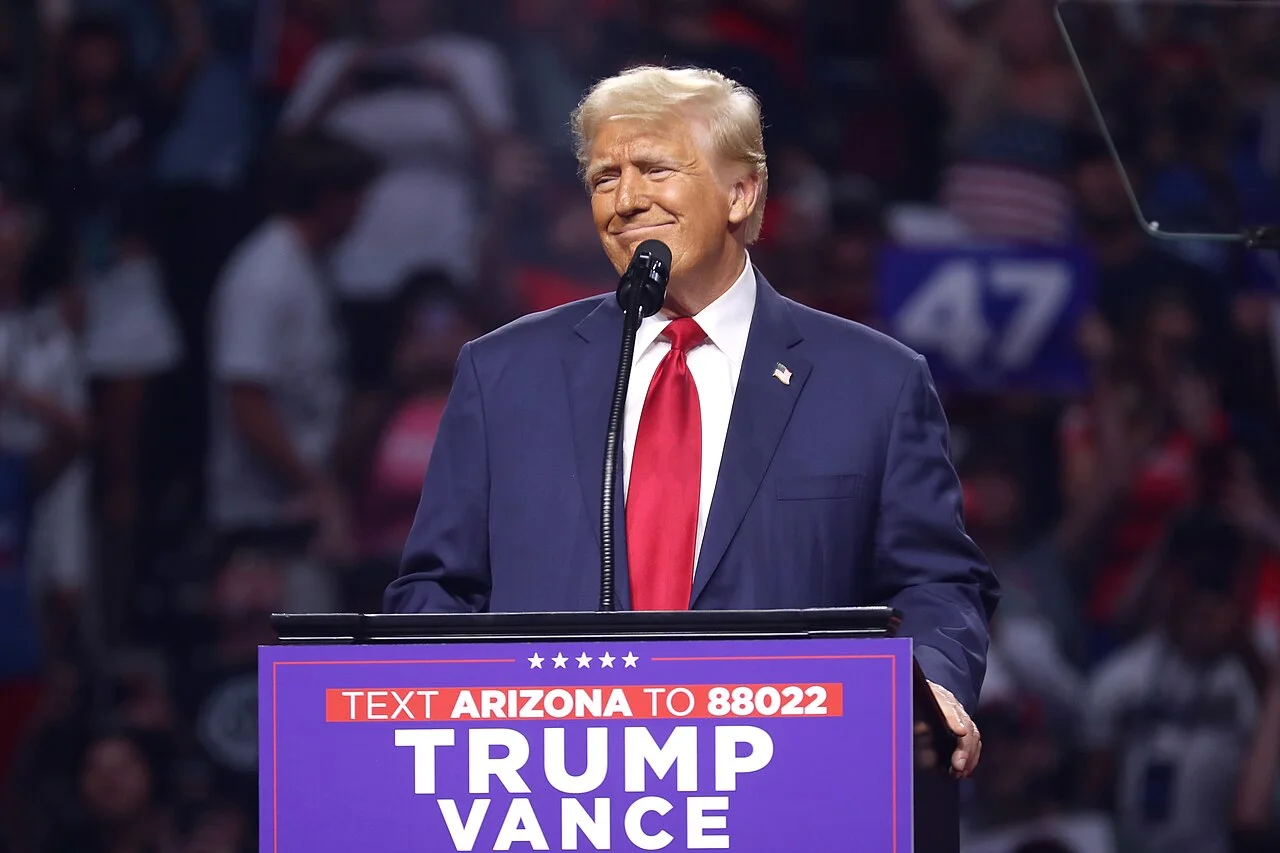
US President-elect Donald Trump has declared victory in the 2024 election, as tensions in the Middle East, particularly in the Strait of Ormuz, continue to escalate. The situation has drawn attention from global powers, including Nigeria, which is closely monitoring the geopolitical shifts that could affect its energy security and regional stability.
Trump's Victory and Regional Tensions
Trump's victory speech emphasized a tough stance on foreign policy, particularly regarding Iran. The US leader has repeatedly criticized Iran's nuclear programme and its influence in the Middle East, raising concerns about potential military action. The Strait of Ormuz, a vital shipping lane for global oil trade, has become a focal point of this growing tension. With over 20% of the world's oil passing through the strait, any disruption could have global economic repercussions.

The situation is particularly relevant to African nations, many of which rely on stable global energy markets. Nigeria, as one of Africa's largest oil producers, is keenly aware of how international conflicts can impact its economy. The country's energy sector is vulnerable to global price fluctuations, which can affect both domestic consumption and export revenues.
Ormuz's Strategic Importance for Nigeria
The Strait of Ormuz, located between the Persian Gulf and the Gulf of Oman, is a critical chokepoint for global trade. Any closure or disruption in this area could lead to a spike in oil prices, directly affecting countries like Nigeria that depend heavily on oil exports. The Nigerian government has been working to diversify its economy, but the energy sector remains a cornerstone of its economic strategy.
Recent developments in the region have raised concerns about the potential for conflict. Iran has accused the US of provocative actions, including military exercises near the strait, while the US has warned of a “military response” to any threats against its vessels. These tensions have led to increased military presence in the area, heightening the risk of unintended escalation.
Bernardo Valente and the Nigerian Perspective
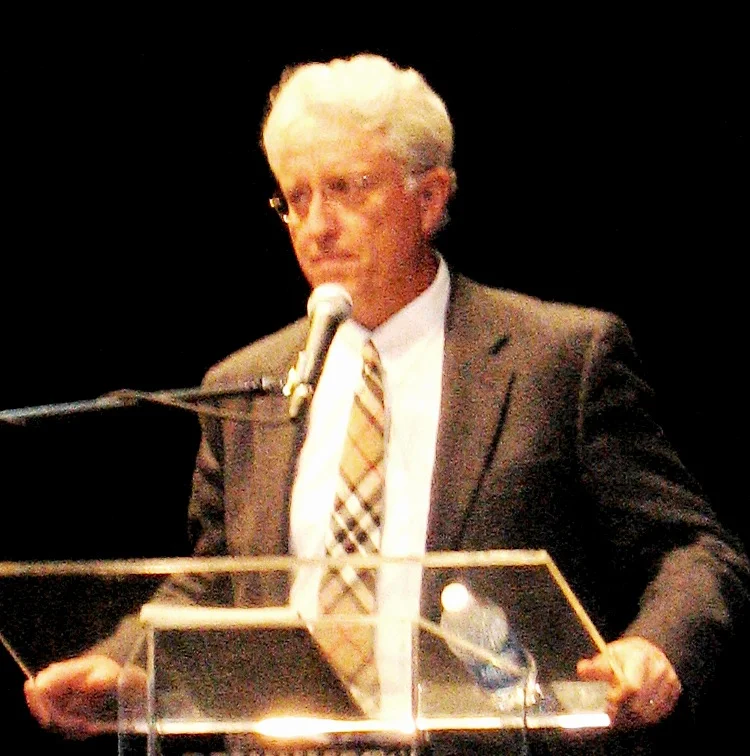
Bernardo Valente, a prominent geopolitical analyst, has highlighted the potential implications of the US-Iran tensions for African nations. He noted that while the focus is often on the Middle East, the ripple effects on global markets can be felt across the continent. “Nigeria must be prepared for volatility in oil prices and the potential for regional instability,” Valente said in a recent interview.
Valente's analysis has been widely followed in Nigeria, where policymakers are increasingly looking for insights into how global events might impact the country's development goals. His latest report underscores the need for a more resilient and diversified economy, one that is less dependent on oil and more capable of weathering external shocks.
Looking Ahead: What Nigeria Should Watch
As the situation in the Strait of Ormuz continues to evolve, Nigeria must remain vigilant. The government should strengthen its diplomatic ties with key global players, including the US and the Gulf states, to ensure its interests are protected. Additionally, efforts to diversify the economy and invest in renewable energy could help mitigate the risks associated with global energy market instability.
For now, the international community is watching closely. With Trump's victory and the ongoing tensions in the Middle East, the next few months could be critical for global stability. Nigeria, like many African nations, must be ready to adapt to the shifting geopolitical landscape and its potential impact on development and growth.