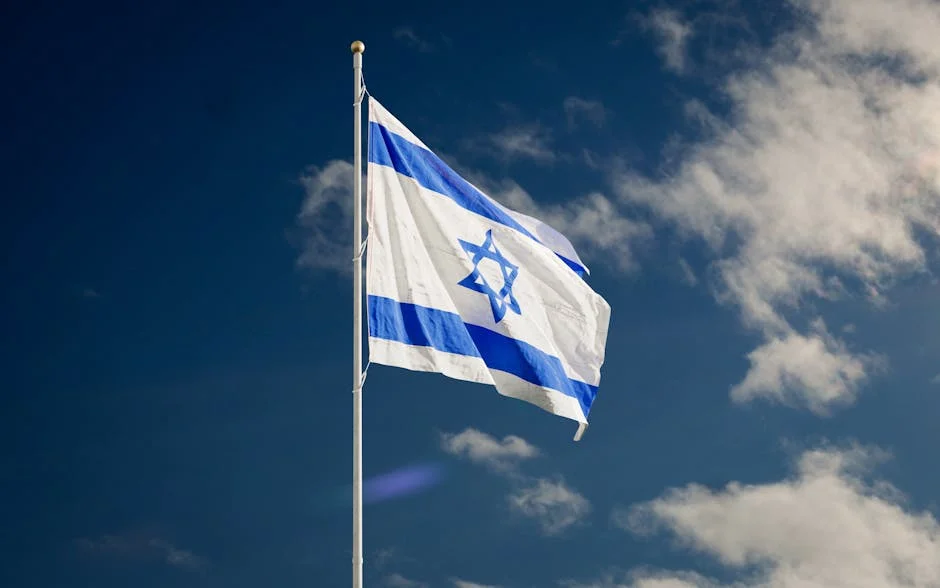
The Israel-Hamas conflict has escalated dramatically, with Israel reporting over 1,200 casualties in the ongoing Gaza operation. The violence, which began in late 2023, has drawn global attention and raised concerns about regional stability. As the war intensifies, African nations, particularly Nigeria, are closely monitoring the situation due to its potential impact on security, trade, and diplomatic relations.
The conflict, which has roots in decades of tension between Israel and Palestinian groups, has seen a significant increase in violence since early 2024. The latest casualties, reported by Israeli officials, include both military and civilian deaths. The United States has maintained a strong alliance with Israel, while many Middle East nations have expressed concern over the humanitarian crisis in Gaza.
How the Middle East Conflict Affects Nigeria
The Middle East conflict has broader implications for Africa, especially for Nigeria, which has significant trade and diplomatic ties with the region. The war has disrupted supply chains and increased global oil prices, which directly affects Nigeria's economy. Nigeria, as a major oil exporter, is vulnerable to fluctuations in global energy markets, which have been volatile due to the conflict.
Additionally, the conflict has raised concerns about regional security. Nigeria, which faces its own security challenges, including insurgency in the north and instability in the Niger Delta, is watching how the Middle East conflict could influence global terrorism and extremist networks. The spread of radical ideologies from the Middle East to Africa remains a key concern for Nigerian policymakers.
What is the Middle East and Why Does It Matter?
The Middle East is a region encompassing countries such as Israel, Palestine, Saudi Arabia, Iran, and Egypt, among others. It is a geopolitical hotspot due to its strategic location, vast oil reserves, and deep-seated historical and religious tensions. The region has been a focal point of international conflict for decades, with conflicts often spilling over into neighboring areas.
The Middle East's political landscape is complex, with alliances and rivalries shaping global events. The current conflict between Israel and Hamas has drawn in major world powers, including the United States, Russia, and China, each with its own strategic interests. This geopolitical tug-of-war has significant implications for African nations, which often find themselves caught in the crossfire of global politics.
Middle East Politics Update and Its Global Impact
The Middle East politics update shows that the region is at a critical juncture. The ongoing war has led to increased international pressure for a ceasefire and humanitarian aid to Gaza. However, diplomatic efforts have been complicated by the deep divisions between key players, including the United States, European nations, and regional powers like Iran and Turkey.
The conflict has also impacted African development goals. Many African countries rely on Middle Eastern oil and trade routes, and the instability in the region has led to increased costs and reduced economic growth. As the world watches the Middle East, African nations are seeking to strengthen their own regional cooperation to mitigate the effects of global conflicts.
What to Watch Next: Middle East Analysis Nigeria
Nigeria must remain vigilant as the Middle East conflict continues to evolve. The country's leadership will need to balance its foreign policy interests with the need to protect its economic and security interests. The government is already engaging with regional and international partners to ensure that Nigeria's interests are represented in global discussions on the conflict.
As the situation in the Middle East unfolds, African development goals will be tested. The continent's ability to navigate global conflicts and maintain stability will be crucial in achieving long-term economic growth and political progress. Nigeria, as a key player in Africa, must play a proactive role in shaping the continent's response to such challenges.