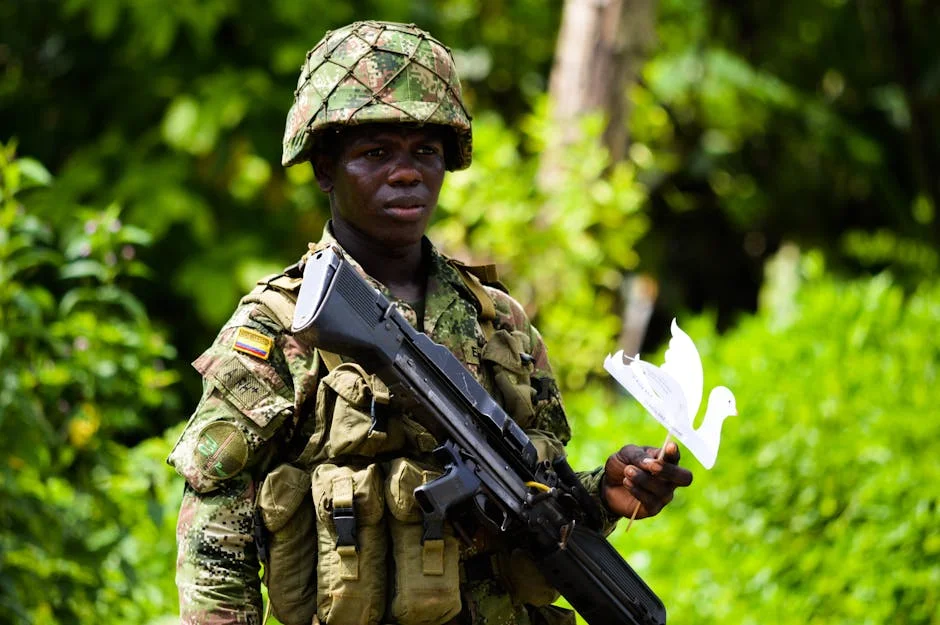
The possibility of a US-Iran conflict appears to be receding as Tehran reviews Washington's proposals, according to Israeli media reports. The potential de-escalation comes amid heightened regional tensions and global concerns over the stability of the Middle East. The developments have significant implications for international relations and could indirectly influence African development and security dynamics.
What is at Stake in US-Iran Relations?
US-Iran relations have been volatile for decades, with recent tensions escalating after the US killing of Iranian general Qasem Soleimani in 2020. The current situation involves Washington proposing a series of diplomatic and economic measures aimed at reducing hostilities. Tehran is reportedly assessing these offers, with some analysts suggesting that the talks could lead to a cooling of relations. The outcome of these discussions could impact global oil prices, regional security, and the broader geopolitical landscape.
The implications of a potential US-Iran agreement extend beyond the Middle East. African nations, particularly those reliant on global oil markets, could see economic benefits if tensions ease. Countries like Nigeria, which depend heavily on oil exports, may experience more stable energy prices, supporting broader development goals. Additionally, reduced regional instability could allow African nations to focus more on internal development rather than external security threats.
How Does Washington Affect Nigeria?
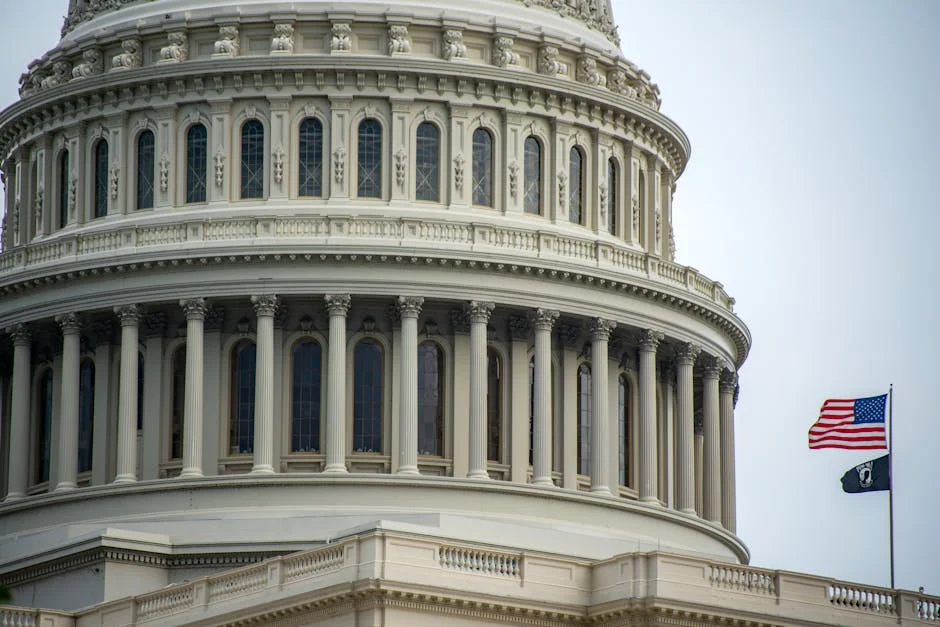
Washington's policies have long influenced Nigeria's economic and political trajectory. The US has been a key partner in areas such as security, trade, and development assistance. Recent shifts in US foreign policy, particularly regarding the Middle East, could alter the flow of aid and trade relations. For instance, if the US reduces its military presence in the region, it may lead to a reallocation of resources to other global priorities, which could impact African security initiatives.
Moreover, the US has been a major player in shaping global economic policies that affect Nigeria. Sanctions, trade agreements, and diplomatic relations all play a role in Nigeria's economic stability. As Washington reviews its approach to Iran, it may also reassess its broader strategy in Africa, which could lead to new opportunities or challenges for the continent.
Why American Matters in African Development
American influence on African development is multifaceted. The US has been a major donor and partner in initiatives aimed at improving health, education, and governance across the continent. Programs such as the President's Emergency Plan for AIDS Relief (PEPFAR) and the Millennium Challenge Corporation (MCC) have had a direct impact on millions of Africans. Any shifts in US foreign policy, including its approach to the Middle East, could affect the availability and direction of such aid.
The potential easing of US-Iran tensions may also have indirect benefits for African nations. A more stable Middle East could lead to increased investment and trade opportunities for African countries. Furthermore, reduced regional conflict could free up global attention and resources to address pressing issues in Africa, such as poverty, inequality, and climate change.
What to Watch Next
As Tehran continues to review Washington's proposals, the next few weeks will be critical in determining the trajectory of US-Iran relations. Any breakthrough could lead to a broader shift in global geopolitics, with potential knock-on effects for Africa. Analysts are closely watching for any official statements from either side, as well as the reactions from key allies and partners in the region.
African nations should remain vigilant as they navigate the implications of these developments. While the direct impact of US-Iran tensions may not be immediate, the long-term consequences could shape the continent's economic and political landscape. For Nigeria and other African countries, the key will be to adapt to changing global dynamics while advancing their own development goals.