The Association, a prominent civil rights organisation in Nigeria, has alleged that the local police denied them a permit to hold a peaceful protest scheduled for next week. Reports indicate that the police have imposed a controversial condition requiring a ₹10 lakh bond for the protest to proceed. This move has sparked outrage among the Association's members and supporters, who view it as an infringement on their right to free assembly.
Background of the Protest
The planned protest aims to raise awareness about pressing social issues, including governance, economic disparities, and the urgent need for educational reforms in Nigeria. The Association believes that peaceful demonstrations are essential for promoting dialogue and accountability within government institutions. It is also seen as a critical opportunity for citizens to voice their concerns regarding the state of infrastructure and healthcare in the country.
Police Response and Legal Justifications
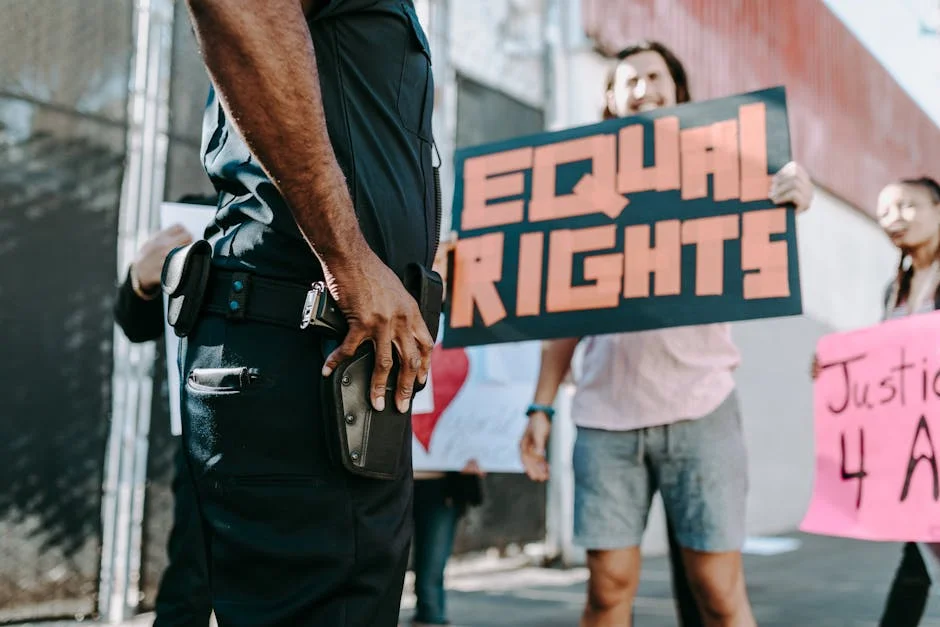
The local police have justified their denial by citing concerns over potential unrest and security risks associated with the gathering. They argue that the financial bond is a necessary measure to ensure public safety. However, critics argue that this condition effectively stifles dissent and contravenes the constitutional rights of citizens to express their opinions peacefully. This situation reflects broader challenges faced by civil society organisations in Nigeria, where state responses to protests can often be heavy-handed.
Implications for Civil Society and Governance
This incident raises significant questions about governance and the rule of law in Nigeria. The Association's struggle for a protest permit highlights the ongoing tension between state authorities and civil society. It underscores the need for greater respect for democratic principles, including the right to assemble and protest. As Nigeria grapples with issues of governance and accountability, the fate of this protest could set a precedent for future civil actions and the relationships between citizens and the state.
Potential Consequences for African Development
The outcome of this situation is crucial not only for Nigeria but for the broader African context. As civil society plays a vital role in advancing development goals, the repression of peaceful protests can hinder progress on issues such as health, education, and economic growth. If civil society organisations are unable to operate freely, the impact is detrimental not just locally but also regionally, as it can stifle the collective voice of the African populace in demanding accountability and reforms from their governments.
What’s Next for the Association?
The Association is currently exploring legal avenues to challenge the police's decision and secure the right to hold their protest without unreasonable restrictions. Observers will be closely watching how this situation unfolds, as it could either galvanise support for the Association's cause or lead to further crackdowns on civil protests in Nigeria. The stakes are high, not only for the immediate goals of the Association but for the health of Nigeria's democracy and civil engagement.