The International Energy Agency (IEA) has called on individuals and businesses worldwide to adopt remote work and reduce vehicle speeds to cut energy consumption and emissions. The recommendation comes as global energy demand continues to rise, with the agency warning that current trends could undermine climate goals. The call highlights a growing intersection between work patterns, energy use, and environmental sustainability, raising questions about how these changes might affect African development.
Remote Work as a Climate Strategy
The IEA's report outlines how shifting to remote work could significantly reduce energy use in transport and office buildings. By cutting down on commuting, individuals can lower their carbon footprint, while companies can reduce energy spent on heating, lighting, and air conditioning. The agency cited studies showing that a 20% shift to remote work could cut global transport emissions by up to 15% by 2030. This strategy aligns with the African Union’s Agenda 2063, which emphasizes sustainable development and green growth.
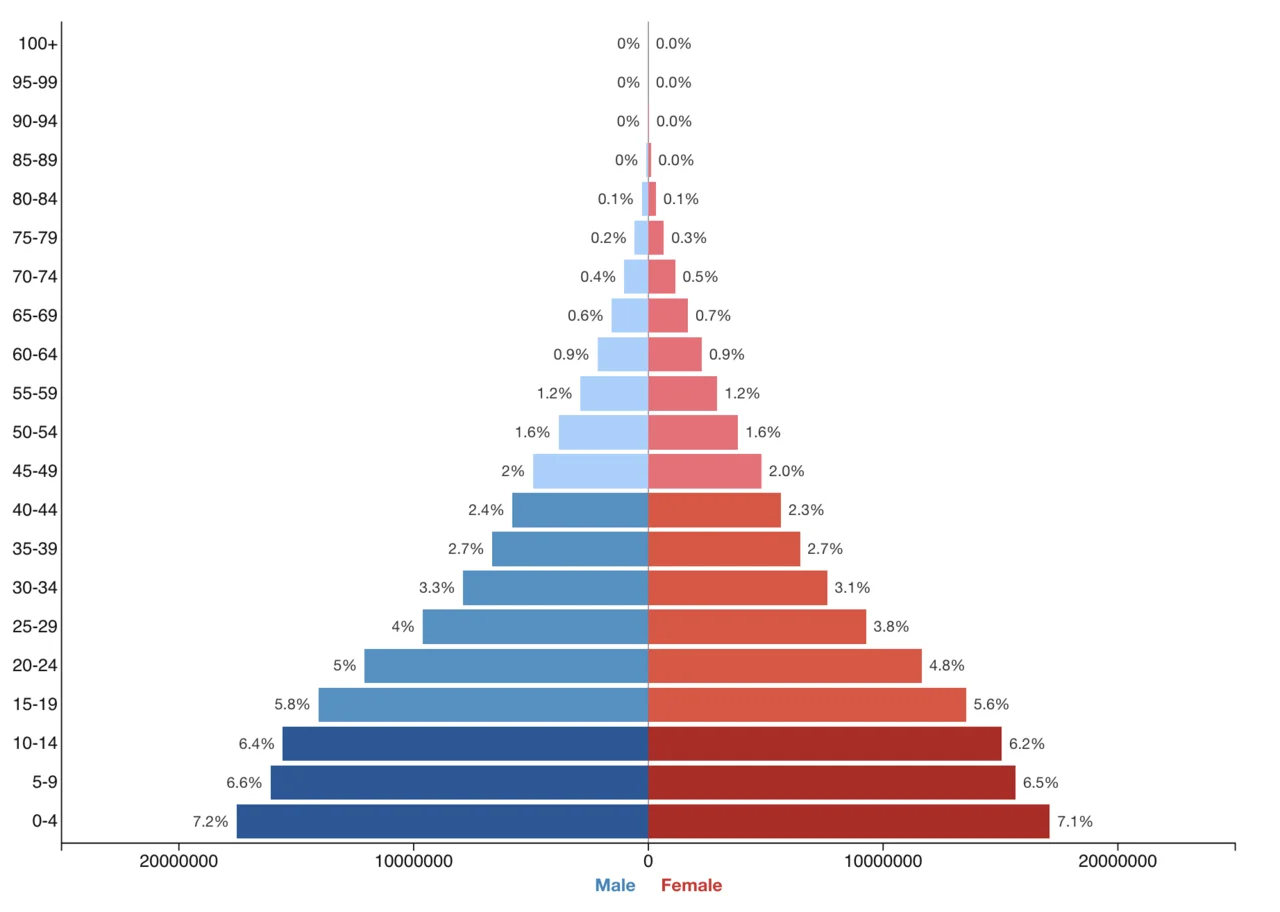
However, the feasibility of remote work in Africa remains a challenge. Many African countries lack the reliable internet and digital infrastructure needed to support widespread remote employment. In Nigeria, for example, only 45% of the population has access to the internet, according to the International Telecommunication Union. This digital divide could prevent many from benefiting from the energy-saving potential of remote work, widening existing inequalities.
Slower Driving and Fuel Efficiency
In addition to remote work, the IEA is urging drivers to reduce speed to improve fuel efficiency. The agency states that driving 10 km/h slower on highways can reduce fuel consumption by up to 20%. This measure is particularly relevant in African cities, where traffic congestion and outdated vehicle fleets contribute to high emissions. In Nairobi, for instance, vehicles account for 40% of the city’s air pollution, according to a 2023 study by the Kenya Climate Innovation Centre.
Slower driving could also help reduce the financial burden on households, especially in countries with volatile fuel prices. In Nigeria, where fuel subsidies have been a contentious issue, reducing fuel use could ease pressure on the government budget. However, implementing speed limits effectively requires strong enforcement, which remains a challenge in many African nations.
Implications for African Development
The IEA’s recommendations highlight the need for African countries to integrate energy efficiency into broader development strategies. With the continent’s population set to double by 2050, the demand for energy is expected to grow rapidly. The African Development Bank has warned that without significant investment in clean energy and efficiency, the continent could face a severe energy crisis.
At the same time, the push for energy-saving measures could create new opportunities for innovation and job creation. For example, the growth of remote work could spur investment in digital infrastructure, creating jobs in tech and telecommunications. In Kenya, the government has already launched initiatives to expand internet access and promote e-learning, recognizing the long-term benefits of digital transformation.
Looking Ahead: Balancing Growth and Sustainability
As African nations strive to achieve economic growth and improve living standards, they must also address the environmental challenges that come with development. The IEA’s call for energy-efficient work and travel habits underscores the importance of sustainable practices in shaping the continent’s future. However, the success of these measures will depend on the ability of governments and private sectors to invest in infrastructure and education.
For now, the focus remains on how African countries can adapt global energy strategies to local realities. While remote work and slower driving may not be immediately feasible for all, they offer a framework for rethinking how people live and work in a way that supports both economic progress and environmental protection. As the continent moves forward, the balance between growth and sustainability will be critical to its long-term success.